
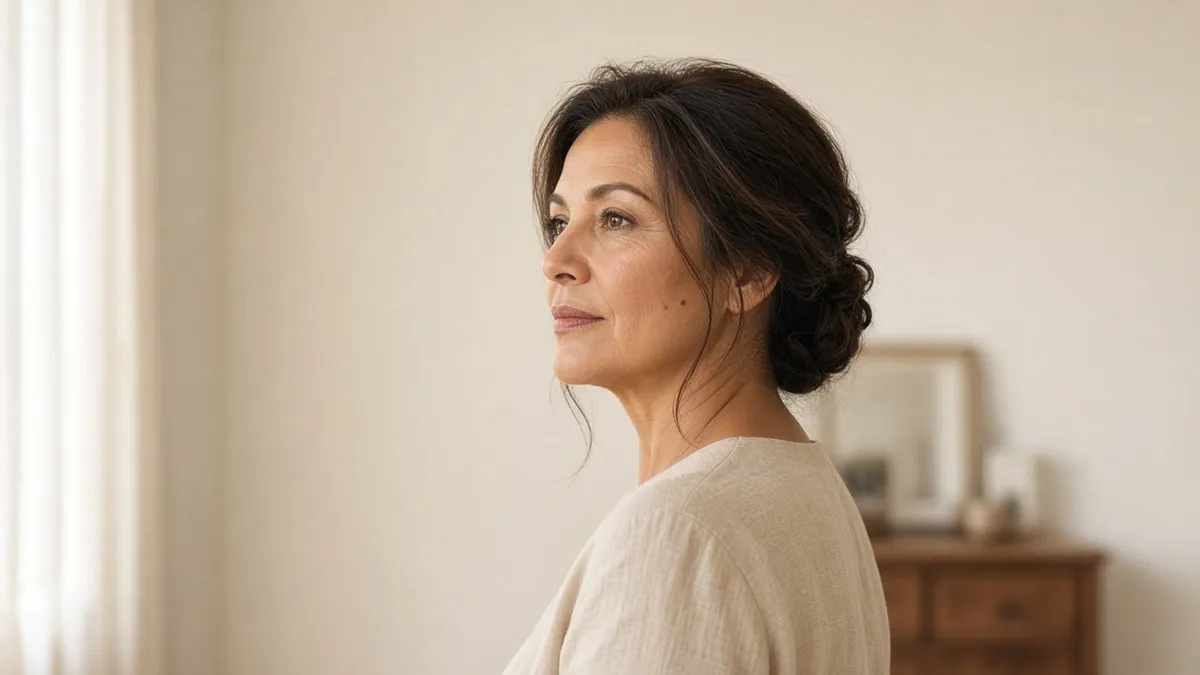
Mother of the bride hairstyles have to look good in more than one photograph. You may be getting ready before lunch, greeting guests in the afternoon, and dancing after dinner. A low gathered shape, soft waves, or a carefully dressed short cut can all work.
The better choice is the one that fits your hair, your dress, and the way you actually move.
The catch is comfort. An updo that pulls at your temples or a fringe that keeps falling into your eyes won’t feel elegant by the speeches. Choose a shape you can wear for hours, then let your stylist refine the finish.
How to choose mother of the bride hairstyles that feel like you
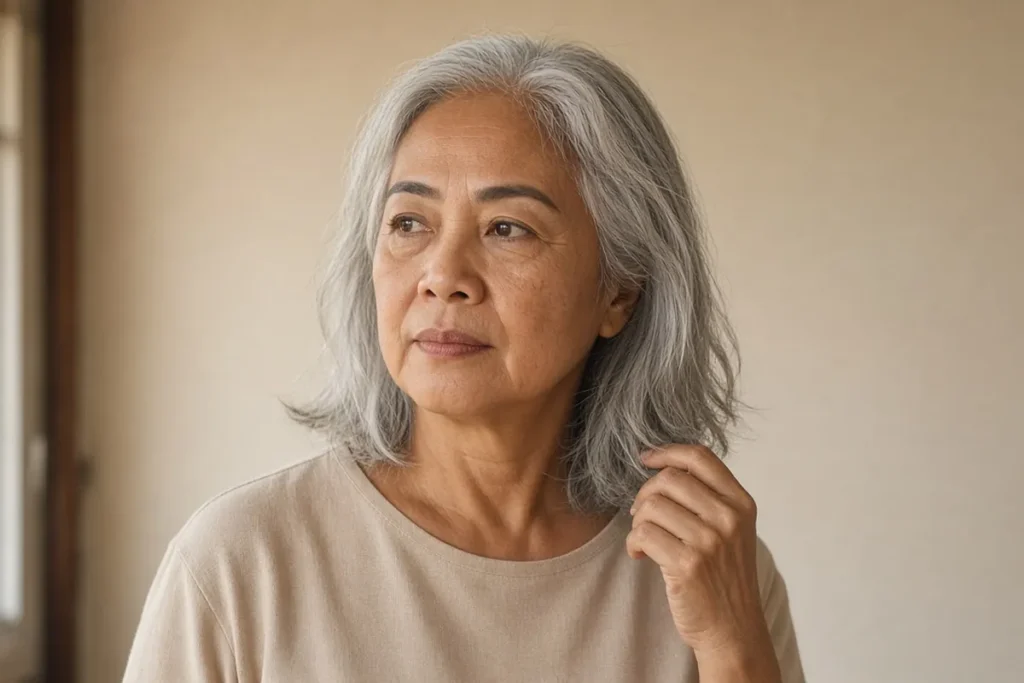
Start by looking at your everyday hair. If you normally wear it down, a loosely secured section may feel more natural than pulling every strand away from your face. If you prefer a clean neckline, a gathered style can keep your earrings and collar visible without requiring a dramatic new cut.
Next, look at the length that is actually available for pins or an elastic. A bob ending at your jaw isn’t going to behave like a collarbone cut, even if both photographs are labeled short hair. Your stylist can show you how much hair reaches the nape without forcing short layers out of place.
Texture matters as much as length. Straight hair may need deliberate bends to show shape, while waves and curls already provide movement. Coils can be displayed rather than hidden. Silver and gray hair can remain exactly the color you wear every day; there is no wedding-day rule that requires fresh dye.
The Knot’s mother-of-the-bride hairstyle advice also puts hair type and comfort near the beginning of the decision. Use inspiration photographs to explain a silhouette, not to promise that another person’s texture will behave exactly like yours.
A useful shortlist has two pictures: one showing the front and another showing the side or back. Mother of the bride hairstyles are often judged from a flattering front angle, but your guests will also see the nape, the hairline, and the dress from behind.
Short hair that still feels dressed up
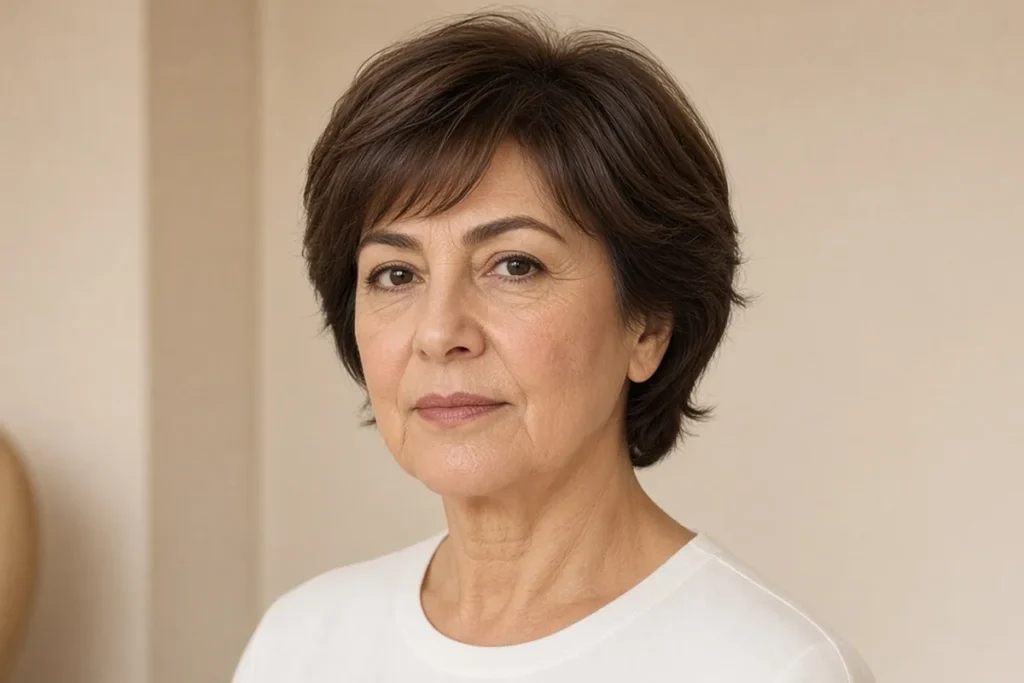
A short cut doesn’t need extra length to look suitable for a wedding. What makes the difference is a deliberate part, a controlled outline, and attention to the piece of hair nearest your eyes. These three choices keep the original haircut recognizable instead of trying to disguise it.
Side-swept pixie
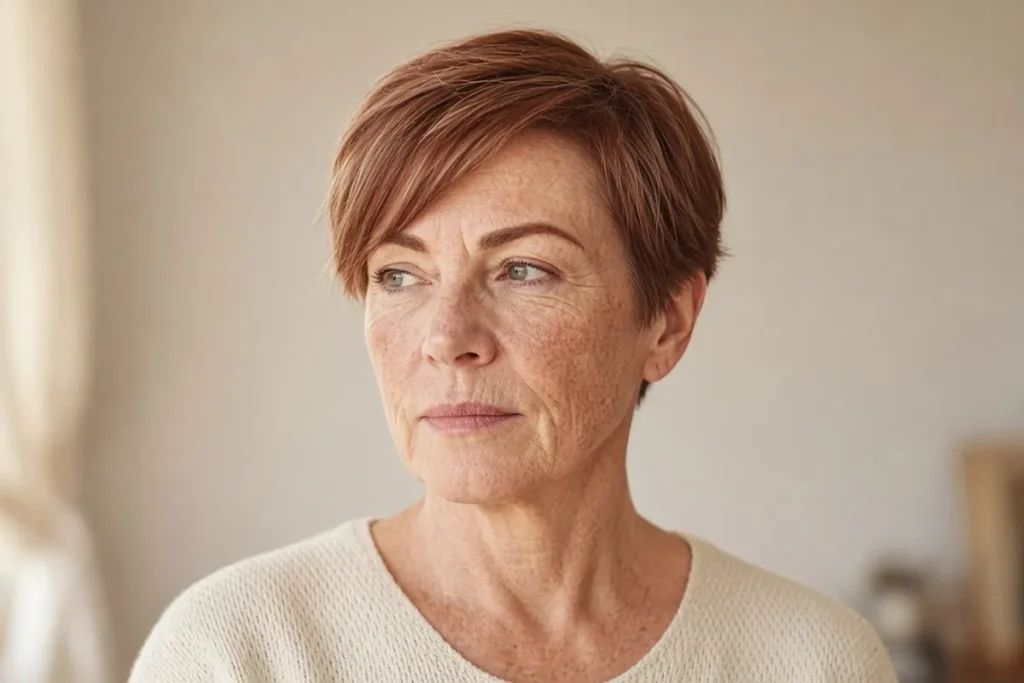
Keep the sides neat and move the longer front toward one eyebrow. Ask for a little separation at the crown rather than a stiff sheet of product. The front should stay clear enough that you’re not pushing it back every time someone photographs you.
For a pixie you already like, book any shape-up with enough time to see how your usual styling works afterward. Take your earrings to the appointment. A cropped side makes a larger earring more visible, so you may want the hair on that side even tidier.
Softly waved bob
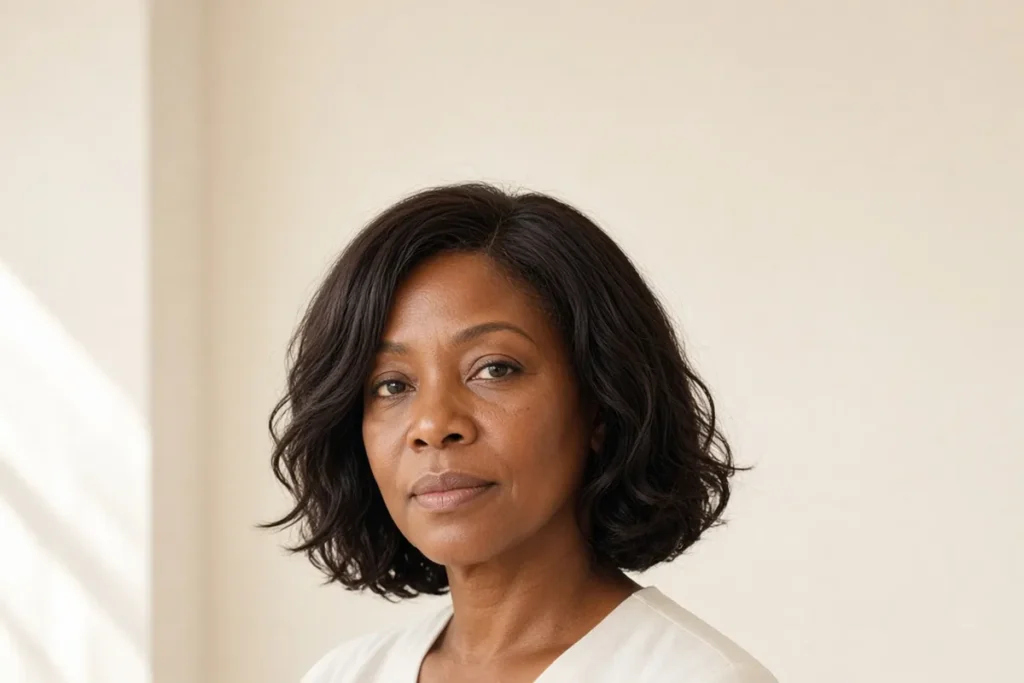
A chin-length bob can be shaped into gentle bends with the ends pointing mostly inward or left softly loose. Keep the wave open around your cheek rather than building a tight curl beside your face. The effect is polished without making the cut look shorter than it is.
If you wear bangs, decide whether they should lie straight or join the wave. Our guide to different bang shapes can help you name the front detail before you show a stylist your wedding photograph.
Brushed-back cropped curls
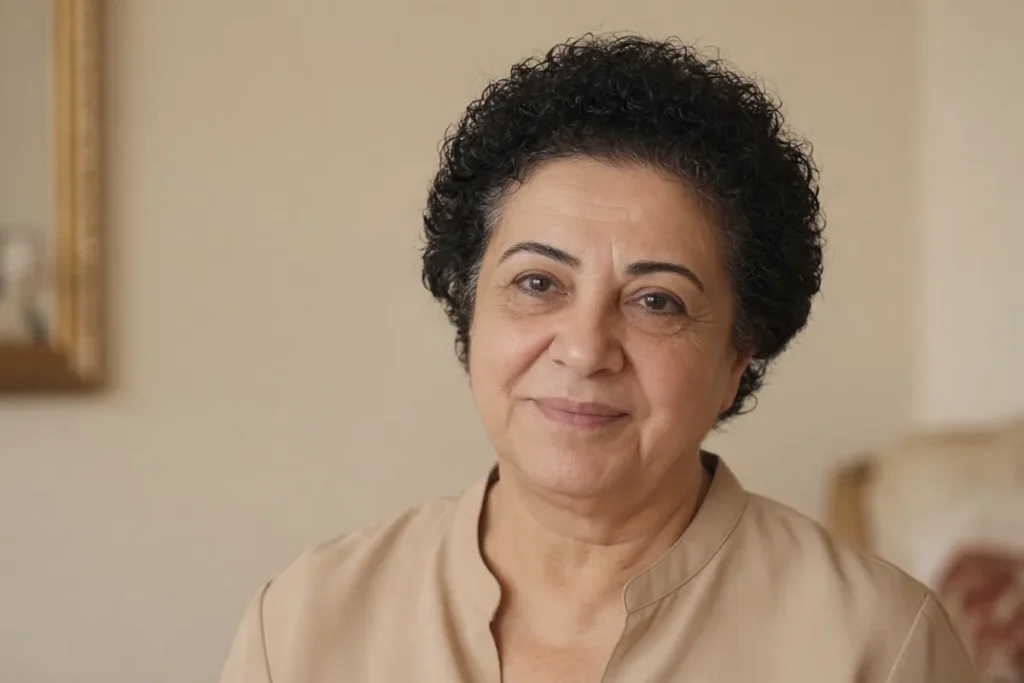
For a short curly cut, define the curl pattern at the crown and gently move the front away from the forehead. The sides can remain close without trying to flatten every coil. You want the shape to look like your natural haircut, simply arranged with more intention.
Ask the stylist to show you the finished outline from the side. If a clip is part of the plan, choose one small enough not to cover the curls it is supposed to decorate. Avoid a heavy accessory that changes the cut’s balance.
Shoulder-length hair: secure but soft
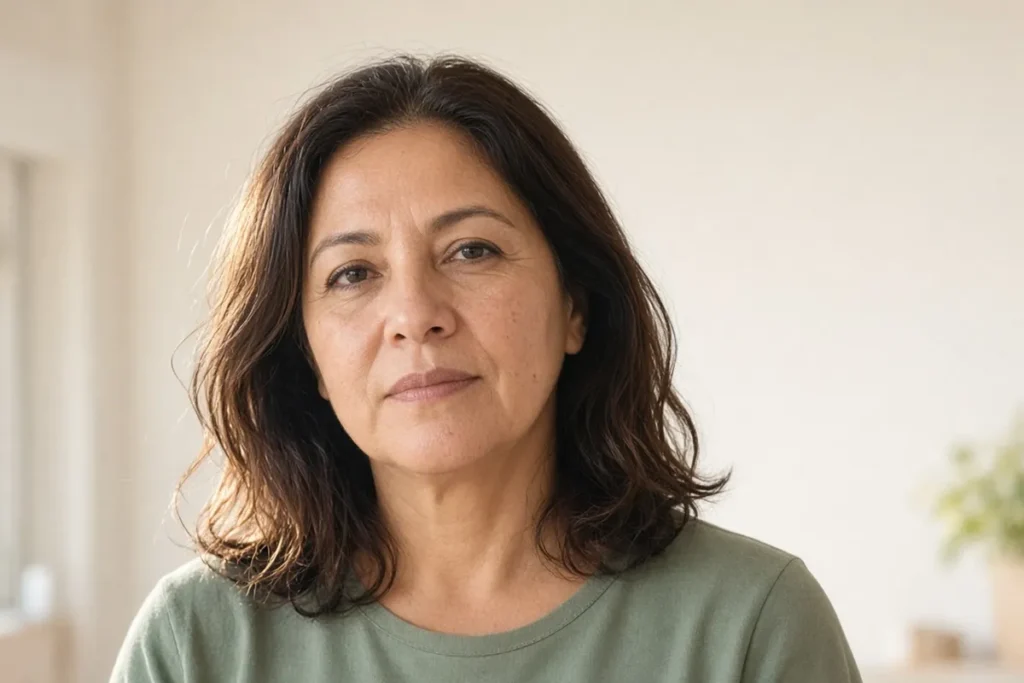
Hair that falls at the shoulders offers room for pins but may have layers that won’t quite reach a bun. That’s where small, planned sections help. Among mother of the bride hairstyles, these choices let you keep some movement while deciding how much hair should be away from the face.
Half-up twist with a small clip
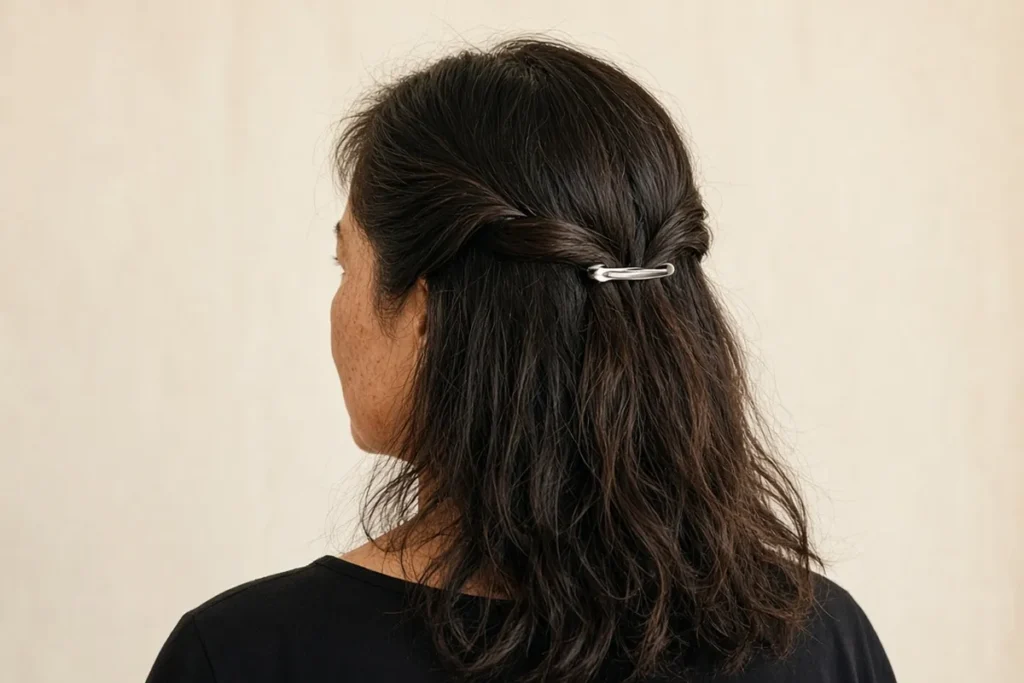
Take one section from each temple, twist them gently toward the back, and fasten them just below the crown. Leave the lower hair loose, with soft bends or its usual texture. The clip belongs at the meeting point, not buried where no one can see it.
This is a sensible trial choice if you dislike hair touching your cheeks but aren’t comfortable with a full updo. Test what happens when you turn your head or hug someone. The twist should stay in place without pinching behind the ears.
Collarbone waves with a tucked side
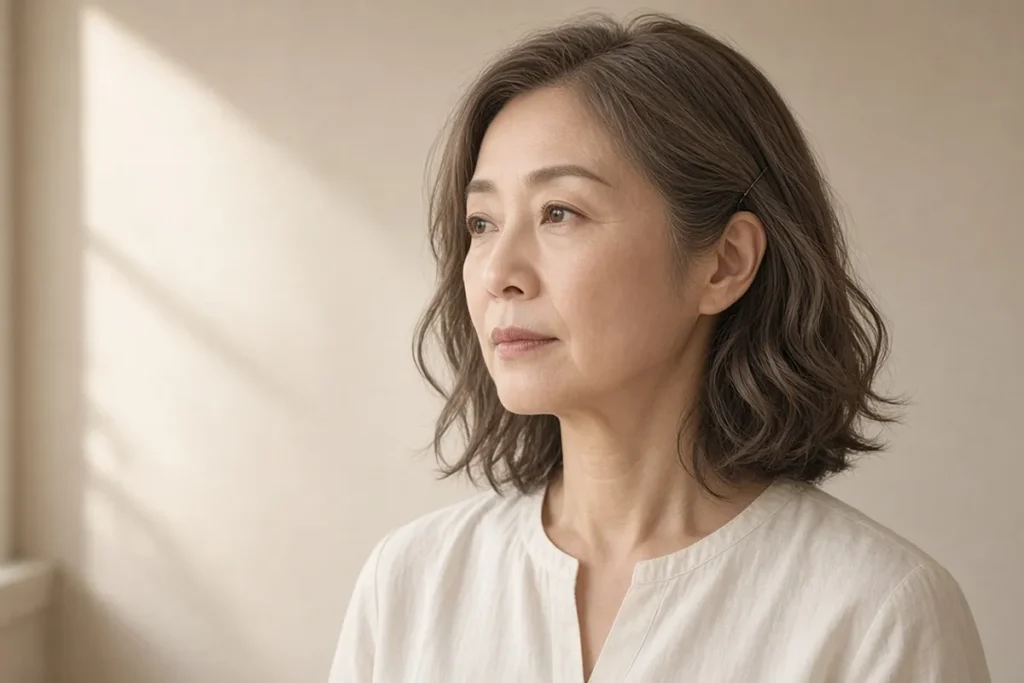
Set broad bends through the midlengths and tuck the side nearest your statement earring behind your ear. A discreet pin can hold that side if it slips forward. Keep the opposite side loose so the hair still frames your face in photographs.
Ask to see the look after the waves have been brushed into their final shape. Individual fresh curls can look very different from the relaxed finish you want. You also need to know if the tucked side stays put when you sit down and stand up.
Petite nape chignon

Gather the hair low, at the base of the head, and fold the available length into a compact knot. Let shorter front layers sit softly where they naturally fall, rather than pulling hard to force them into the pins. The knot should look intentional even when it is small.
If your hair barely reaches the nape, ask the stylist to practice the construction before the wedding. A padded insert or extra hair isn’t automatically necessary. You may prefer a smaller shape that uses your own length and feels lighter through the day.
Long hair without a heavy finish
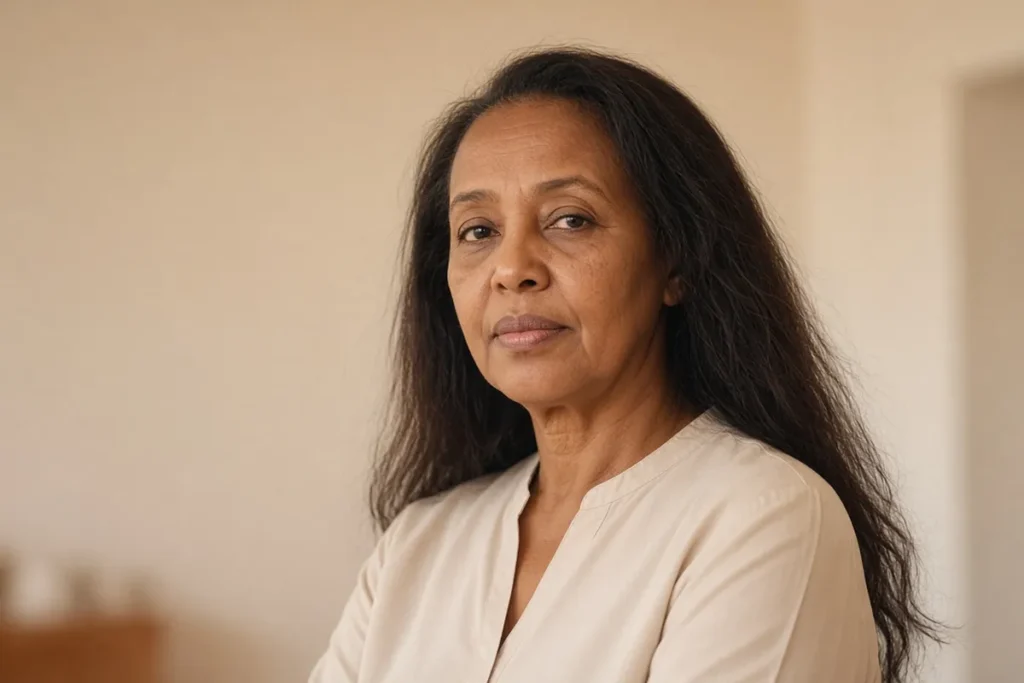
Long hair gives you more options, but it can also feel weighty when every section is pinned high. Start by deciding whether you want your hair gathered, rolled, or worn over a shoulder. These mother of the bride hairstyles have different outlines, even when all three look formal in a photograph.
Low wrapped chignon
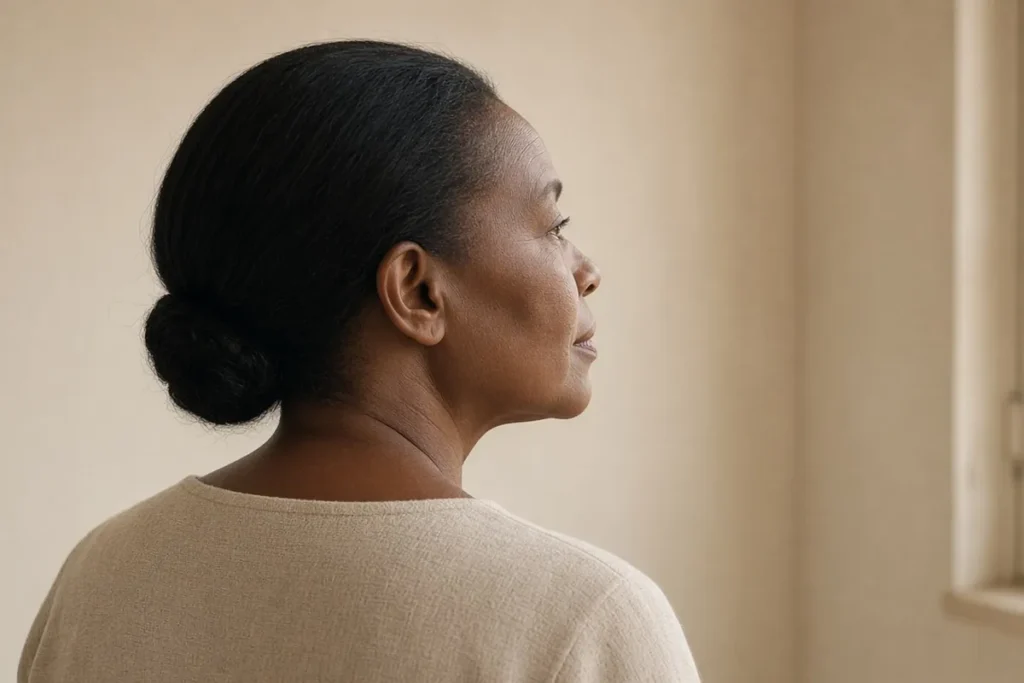
Bring the hair toward the nape, wrap the lengths around a compact base, and secure the ends where they can’t show. You can keep the surface smooth or allow a little movement over the crown. A low position leaves room above the knot for a comb or a narrow decorative pin.
Tell your stylist if you wear glasses. A very smooth front can make the glasses a stronger part of your overall look, which may be exactly what you like. If not, ask for a soft section near the temple to balance the frame.
Loose French twist
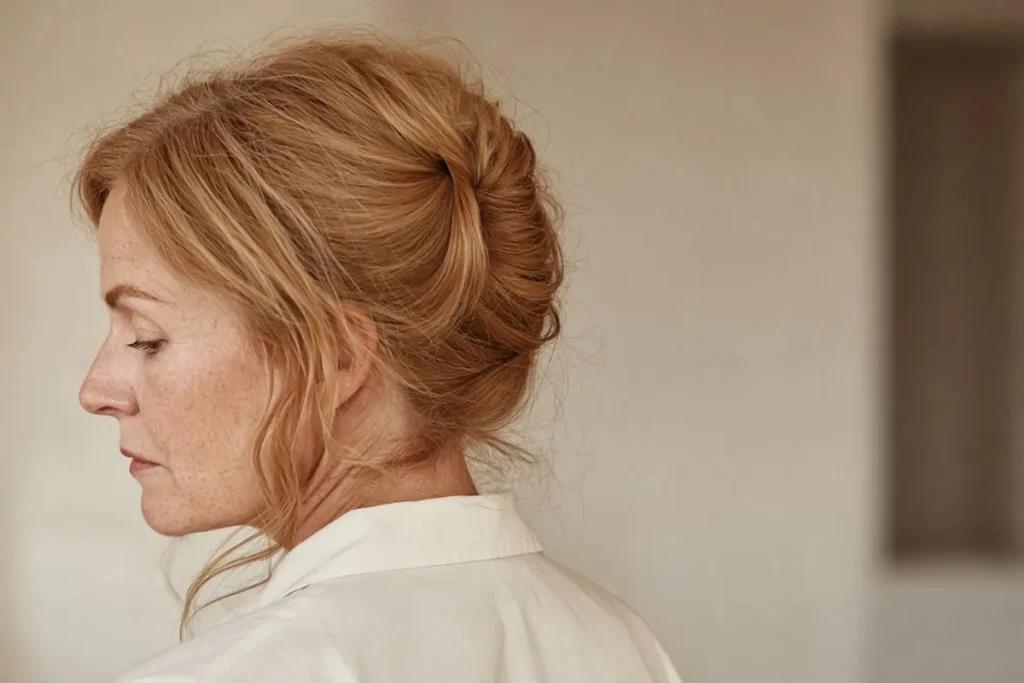
Sweep the lengths toward one side at the back, roll them upward, and fasten the roll vertically. A little softness at the top makes the shape less rigid. The important detail is the long, visible seam at the back, not a bun tucked into the nape.
This is a good place to discuss layers and hair thickness. Ask the stylist to show you where the shorter pieces will be pinned and how much tension is needed to keep the roll stable. If it feels tight, adjust the construction rather than accepting discomfort.
Side-swept Hollywood waves
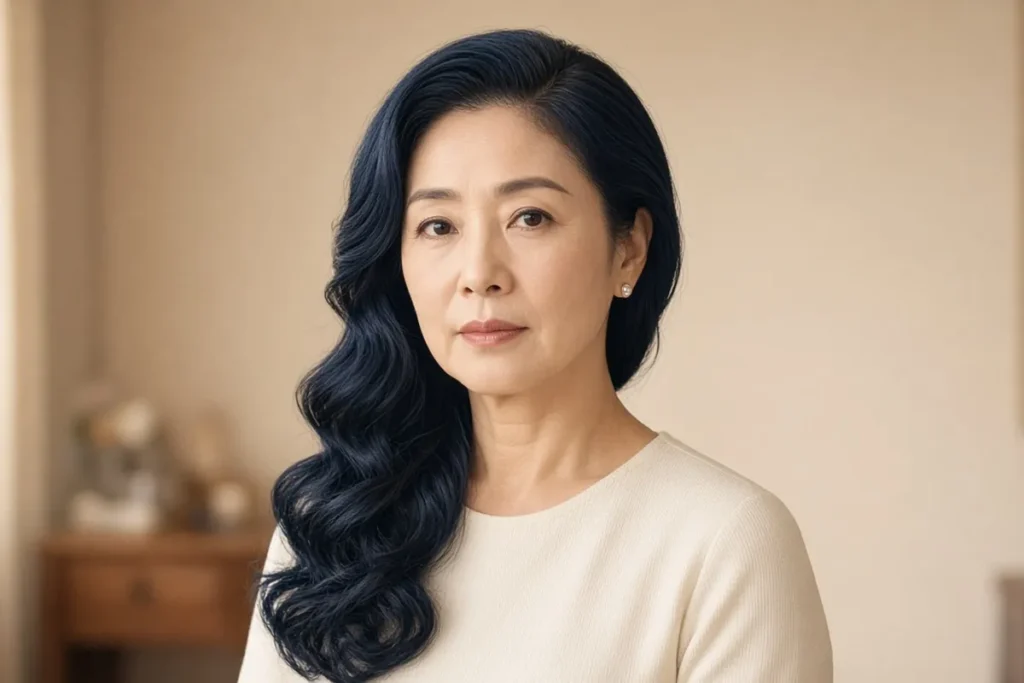
Choose a deep side part and set connected, glossy S-shaped waves through the lengths. Bring the fuller side forward over one shoulder, and secure the other side discreetly behind the ear. Unlike casual loose waves, the bends follow a more regular pattern from top to bottom.
This look leaves hair visible against the dress, so photograph it with the actual neckline if you can. It may be better to keep the strands behind the shoulder during dinner. Practice moving the front section without flattening the set waves.
Natural curls, coils and silver texture
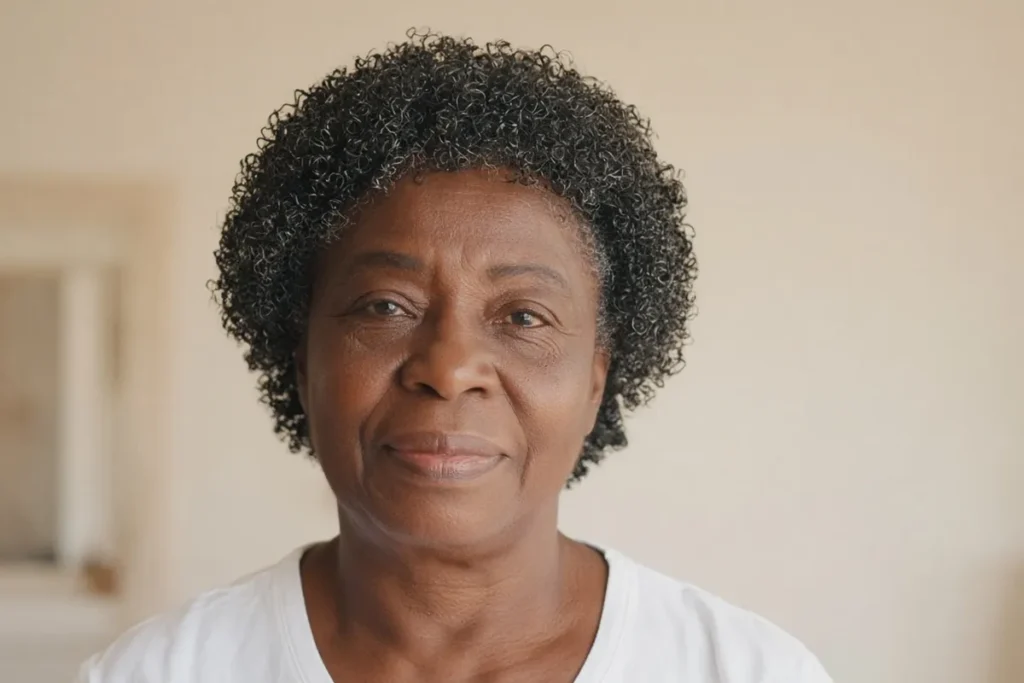
You don’t have to straighten your natural texture for a formal event. A style built around your existing curls or coils often feels more familiar than one that asks your hair to behave differently all day. If you wear silver strands, show your stylist the mix of tones you want to keep visible.
Defined coil halo with a side pin
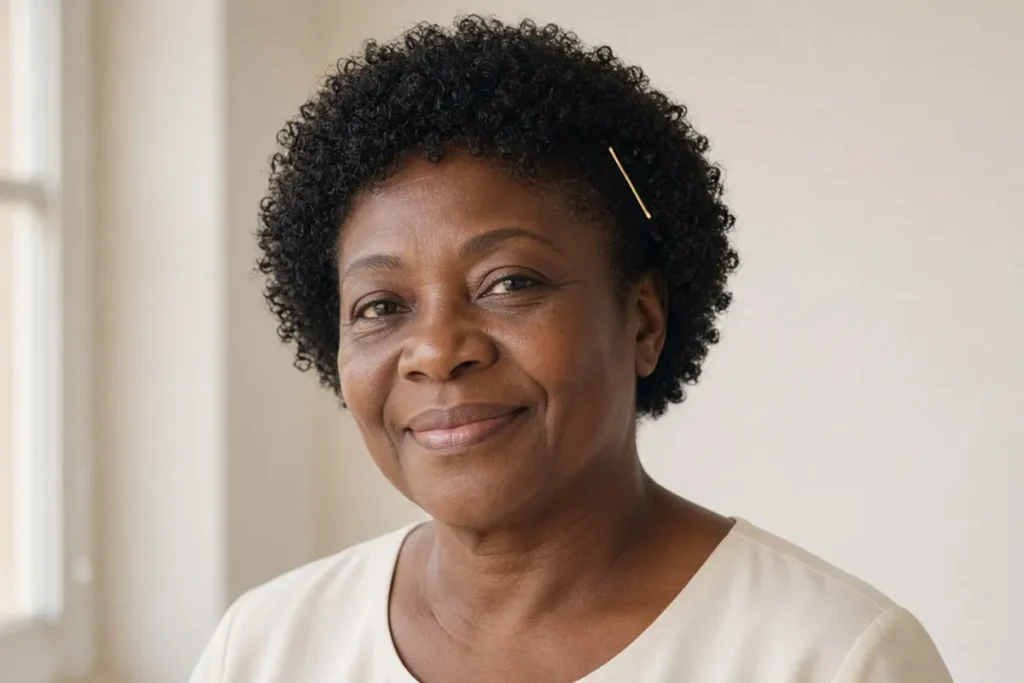
Let the coils form a rounded outline around the head, then draw back a small section above one ear with a discreet decorative pin. Keep the remaining coils full, with the hairline relaxed. From the front, the shape should still look like a halo rather than a tightly pulled half-up style.
For reference, our 4B hair guide describes how a compact coil pattern can appear different when stretched. Explain to your stylist which finished state you actually wear and how much definition you want to preserve.
Flat-twist low bun
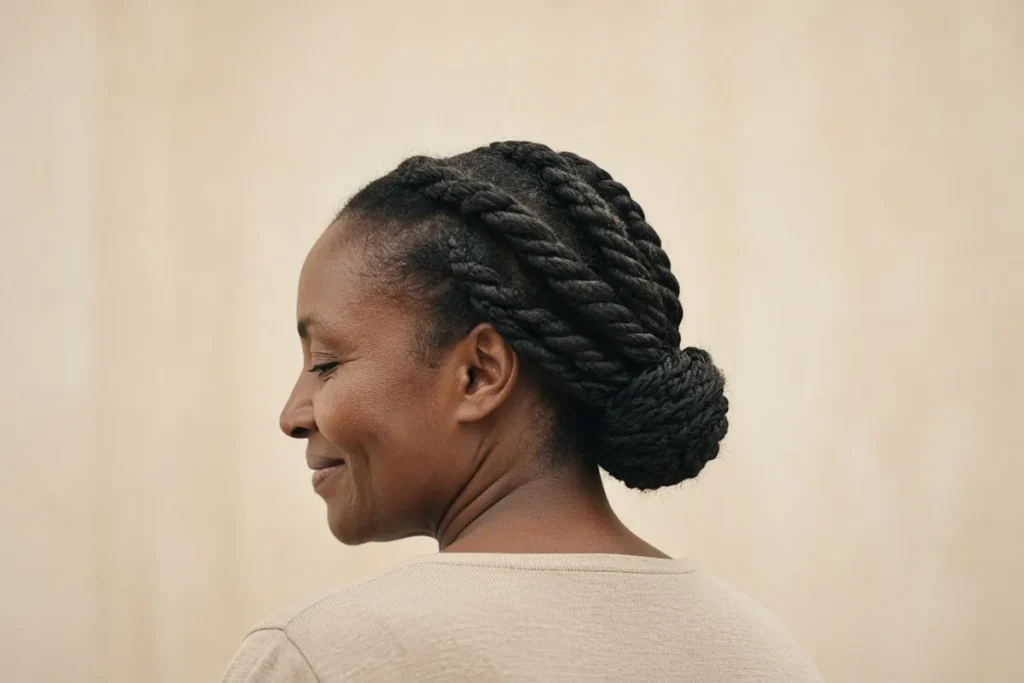
Make a few broad flat twists that travel from the front or sides toward a low bun at the back. Keep the parts clean but not overly narrow, and ask for a comfortable hairline. The back should show the twist direction clearly before the lengths meet in the gathered base.
The American Academy of Dermatology warns about repeated pulling from tight hairstyles. For a one-day style, the practical lesson is straightforward: say something when the twists or pins hurt, and ask for less tension rather than trying to tolerate it.
Let the dress neckline guide the shape
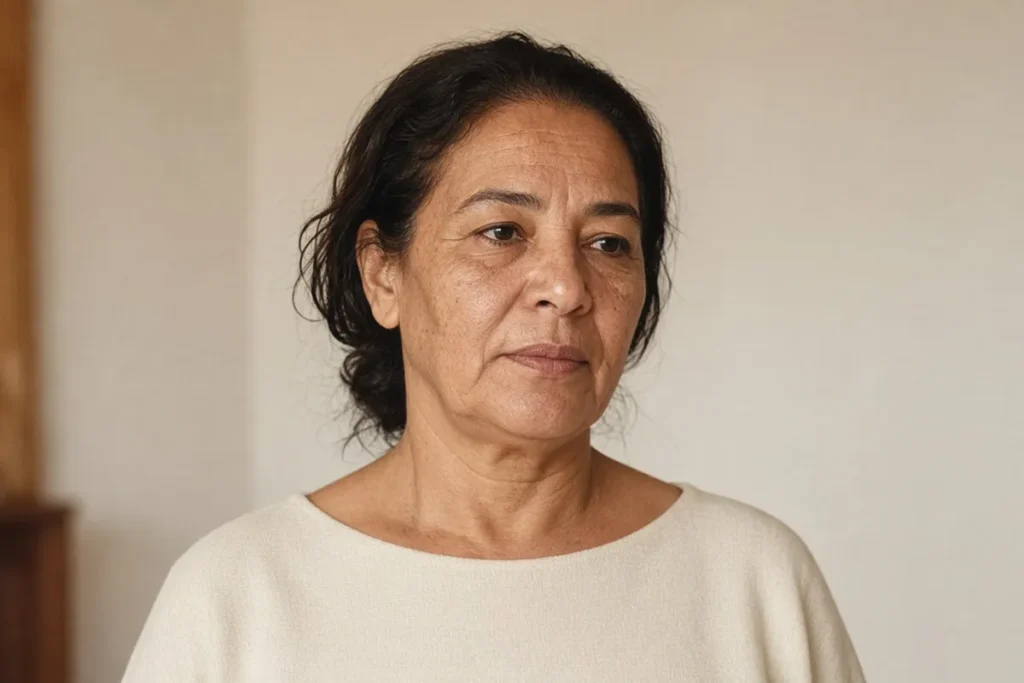
Your dress is the most useful accessory to bring to a hair appointment. A high neckline already adds detail near your face, while an open neckline gives the hair room to frame your shoulders. Neither dictates a single hairstyle; it simply changes what will be visible in the finished outfit.
With a high or embellished collar, decide whether you want the hair to sit above it or fall clearly behind it. If the shoulders are bare, gathering the lengths can show the dress line. A one-shoulder gown may look balanced with hair placed on the opposite side, but it’s a preference rather than a rule.
Try the earrings at the same time. An ornate comb and large earrings may compete for attention, while a small pin beside simple earrings can look deliberate. Your choice should be based on the view you like in the mirror and in a waist-up photograph.
Mother of the bride hairstyles also need to suit the setting. Think about a breezy garden, a warm outdoor ceremony, or a formal indoor reception. Ask your stylist what would be most likely to move and whether securing one section would change the appearance you liked in the original picture.
Plan a useful hair trial
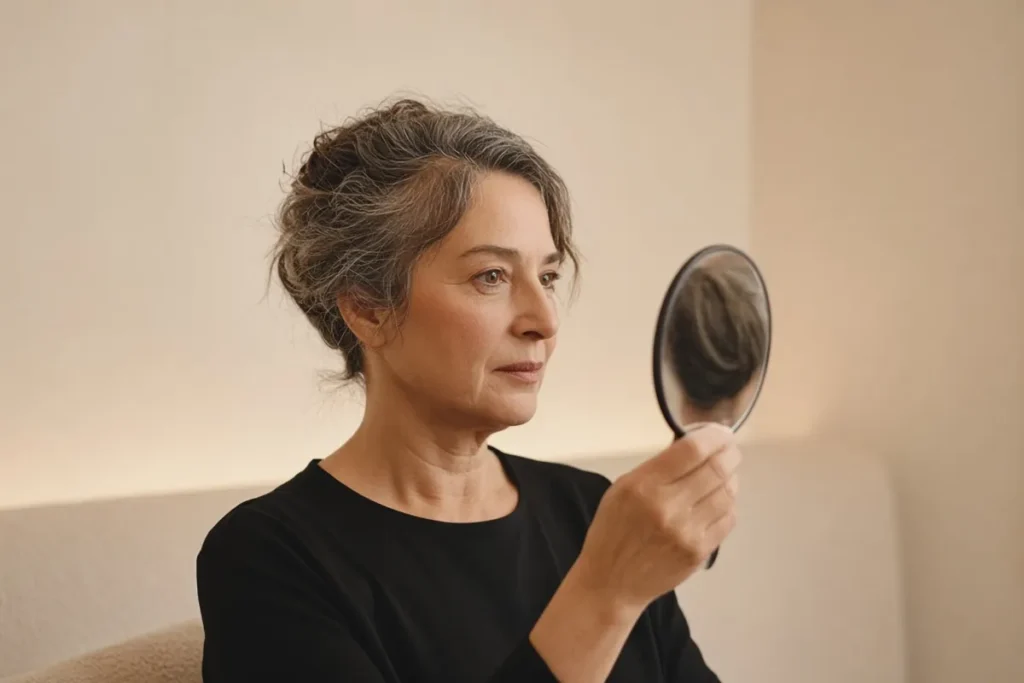
If you’re booking a stylist, arrange a trial after you’ve chosen the dress and its neckline. Bring your usual parting, the hair accessories you might wear, and two inspiration photographs. A third picture showing what you don’t like can be more useful than ten nearly identical favorites.
The Martha Stewart collection of real wedding looks is useful for comparing how gathered hair, short cuts, and softer waves look with formal clothing. Save the specific example, then tell your stylist what part you want to copy: shape, texture, or placement.
At the trial, ask to see the front, side, and back before the style is taken down. Sit in a chair, put on your glasses if you wear them, and move as you would during a long conversation. If a pin catches, a curl hits your eye, or the crown looks too tall, this is the moment to change it.
Discuss the wash plan rather than assuming every stylist prefers second-day hair. The right preparation depends on the service, the products used, and your texture. Ask whether you should arrive with clean, dry hair and whether the stylist plans to work with your natural curls or blow them out first.
Also ask how long the appointment itself will take and how it fits into the getting-ready schedule. You want time for a final check before photographs, not an appointment that ends the moment you’re expected to leave for the ceremony.
Prepare your hair in the week before
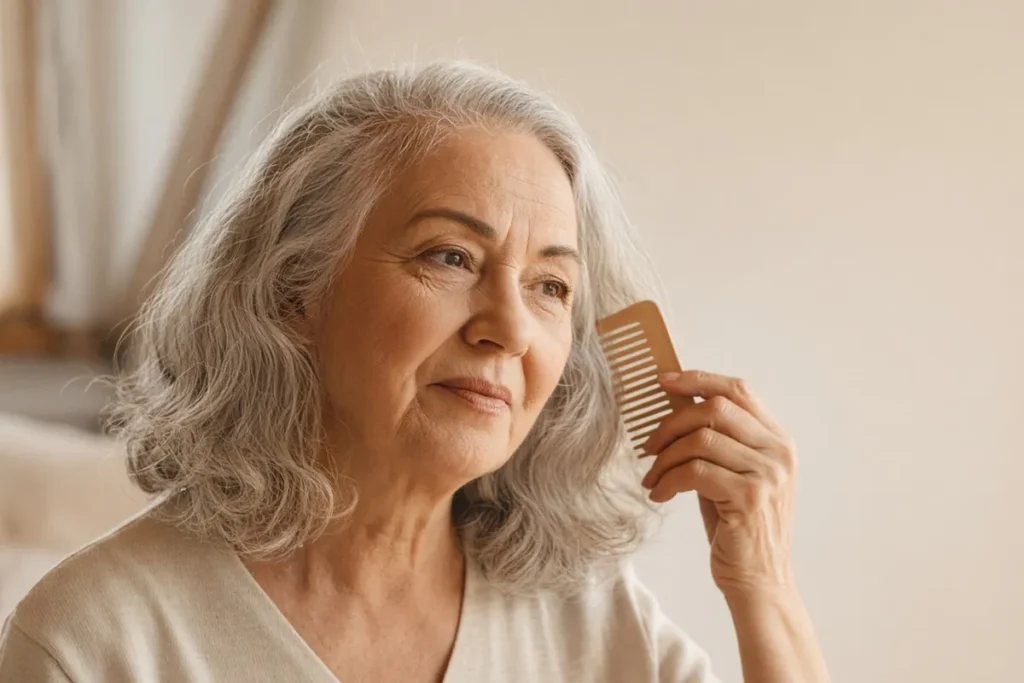
Keep the days before the wedding familiar. A sudden new cut or unfamiliar chemical service gives you less time to decide whether you like the result. If you want color refreshed, agree on the timing with your regular colorist, taking earlier treatments and your hair’s condition into account.
For curls and waves, follow your usual cleansing and conditioning routine unless your stylist asks for a different preparation. The AAD’s healthy-hair recommendations support gentle detangling and careful use of heat. You don’t need extra hot-tool sessions simply to rehearse the finish at home.
If your natural waves tend to flatten after brushing, show the stylist how they look once dry. Our 2C hair guide can help you describe a stronger wave pattern without promising that every wave will respond to the same product or technique.
If your ends feel dry, our hair mask guide for dry hair can help you discuss conditioning before the event.
Avoid building up heavy sprays or oils before the appointment unless the stylist has asked for them. Bring a small photograph of your hair on an ordinary good day. That baseline can help separate the shape you genuinely like from something that looks impressive only in a carefully lit reference photograph.
Pack a couple of spare pins and the name of the product used for your finished look, if the stylist can share it. You don’t have to carry an entire styling kit. The point is having a way to correct one loose section rather than redo everything.
Keep the style intact through the reception
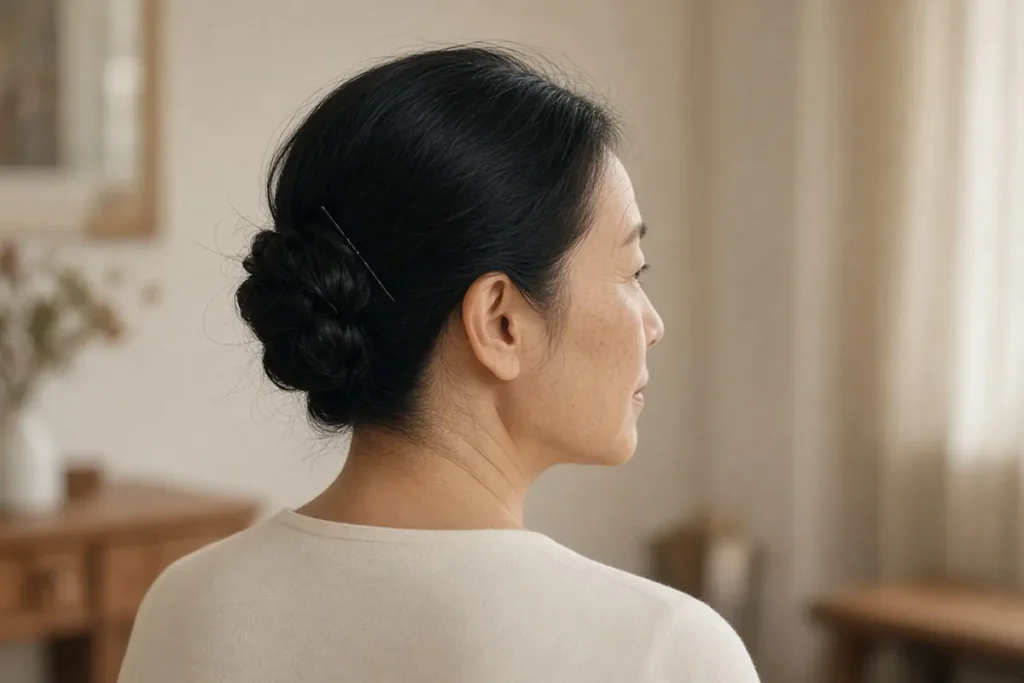
Once the hair is finished, take a photograph from the back. If a pin shifts later, the picture tells you where the original fold or twist sat. Have someone you trust check for any loose pieces before the ceremony, especially around the nape and the side that will face the camera.
Touch as little as you can. Repeatedly smoothing the same front section may pull out its shape, and adding more spray isn’t always the answer. If one piece falls, pin that piece where it belongs. Don’t tighten the entire style to correct a small problem.
If the hair feels sore at the roots, ask for the tension to be eased before you leave the styling chair. Comfort is part of a finished look, not an optional extra. That matters more than keeping every strand perfectly smooth in close-up photographs.
For the reception, mother of the bride hairstyles should still leave you able to embrace family, turn your head freely, and enjoy the evening. A few natural flyaways are less distracting than a style you’re constantly fixing. Choose a finish that still looks like your hair after a full day.
Mother of the bride hairstyles FAQs
Should the mother of the bride wear her hair up or down?
Either is appropriate. Choose an updo if you like a clear neckline or want the lengths secured. Wear it down if you feel more comfortable with movement around your shoulders. A trial can help you decide without treating one option as more formal by default.
What works for a mother with fine hair?
Look for a shape that doesn’t depend on a huge amount of volume. A small gathered knot, soft shoulder-length bends, or a short cut with controlled lift can make good use of the hair you have. Ask the stylist to show you the result without excessive backcombing.
Can I wear my naturally gray hair to the wedding?
Yes. Gray, white, and salt-and-pepper hair all suit formal styling. Choose the part, shape, and amount of movement you enjoy. You don’t need to add color to make your hair appropriate for your daughter’s wedding.
When should I have a hairstyle trial?
Arrange it once your dress and accessories are settled, with enough time to adjust the plan before the wedding. The exact date depends on the stylist’s schedule and how much you’re changing. Bring photographs of the neckline and your preferred hair shape.
How do I keep pins from hurting my scalp?
Tell the stylist immediately where you feel pulling or pressure. Ask for the section to be loosened or anchored differently, and test the finish by turning your head. A comfortable style is more useful than a tighter version you can’t enjoy wearing.