

You save a photo of a sharp little bob, then realize you tie your hair back before breakfast. That’s the detail to take to the salon. If you searched “2026 haircut trends female,” start with the length you can give up and the parts of your routine you want to keep.
The catch is that the same photo can show both a haircut and a finish you won’t recreate at home. Look for where the ends sit and where the shortest pieces land. Those are the details you can point to in the chair.
2026 haircut trends female: five cuts at a glance
The cuts I’d compare first are the graduated bob, bixie, collarbone lob, waterfall layers and curly wolf cut. Lay the examples side by side and look at the outline before you study any of the details around the face. You can often rule out a length from that first look.
| What you want to change | Cut to compare | What to show your stylist |
|---|---|---|
| Lift the outline off your neck | Graduated bob | Where the back sits and how far the front reaches |
| Show more of your ears and nape | Bixie | How much you want to tuck behind the ear |
| Keep enough length to gather low | Collarbone lob | Where the ends should rest when dry |
| Keep your long outline and move the sides | Waterfall layers | The shortest piece you’d wear around your face |
| Make your curls fuller higher up | Curly wolf cut | How much crown height you want in your usual texture |
There isn’t much point in taking every photo you saved. Bring the front you like and a side or back view that explains it. If they’re photos of different cuts, tell your stylist which detail you want from each. The side view can settle what the front view leaves open.
Short 2026 haircuts that show the nape
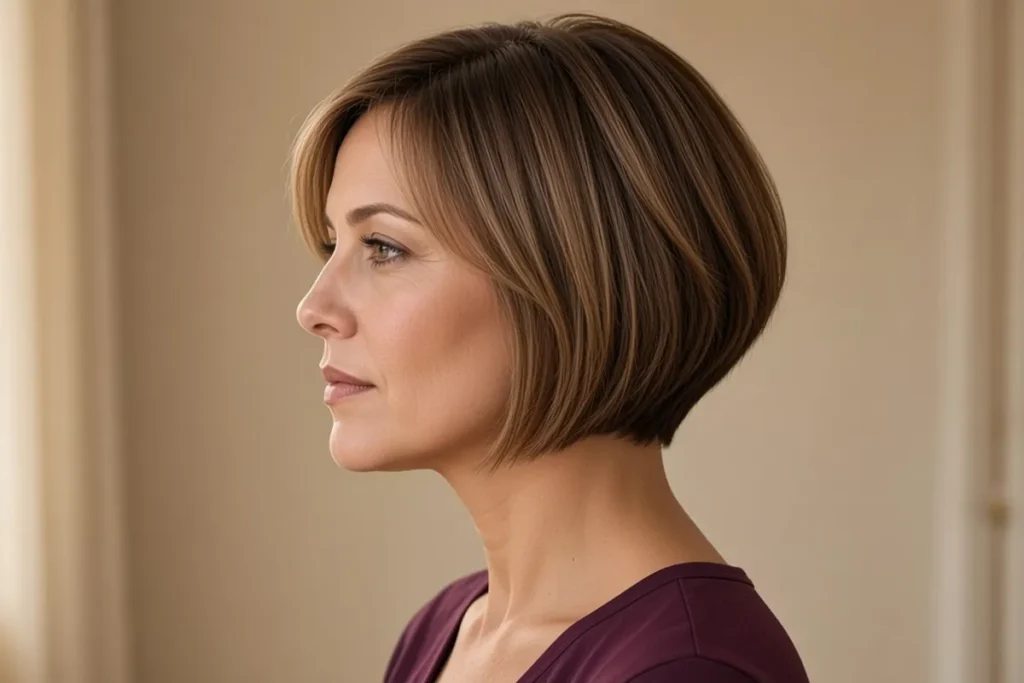
Graduated bob
From the side, this bob has a shorter back and a longer line toward the jaw. Compare the nape in Vogue’s graduated bob coverage with the length in front. If that slope is what you like, point it out. A front-facing photo can hide much of the difference.
At the consultation, put a finger where you’d like the front edge to stop. Then decide how much neck you want uncovered. A high back paired with a long face piece gives a more visible angle. If you like a quiet outline, ask for a gentler rise from front to back.
Try tucking the front behind an ear while your stylist is looking at the reference with you. Tell them if you wear glasses or tend to push the same side away while working. That small habit can help you decide how much length to reserve beside your ear.
Check the back with a hand mirror before you leave. Look just under the fullest point of the shape, where the hair approaches the nape. If what you liked in the photo was its profile, ask the stylist to show you how to get that shape with your usual part.
Bixie

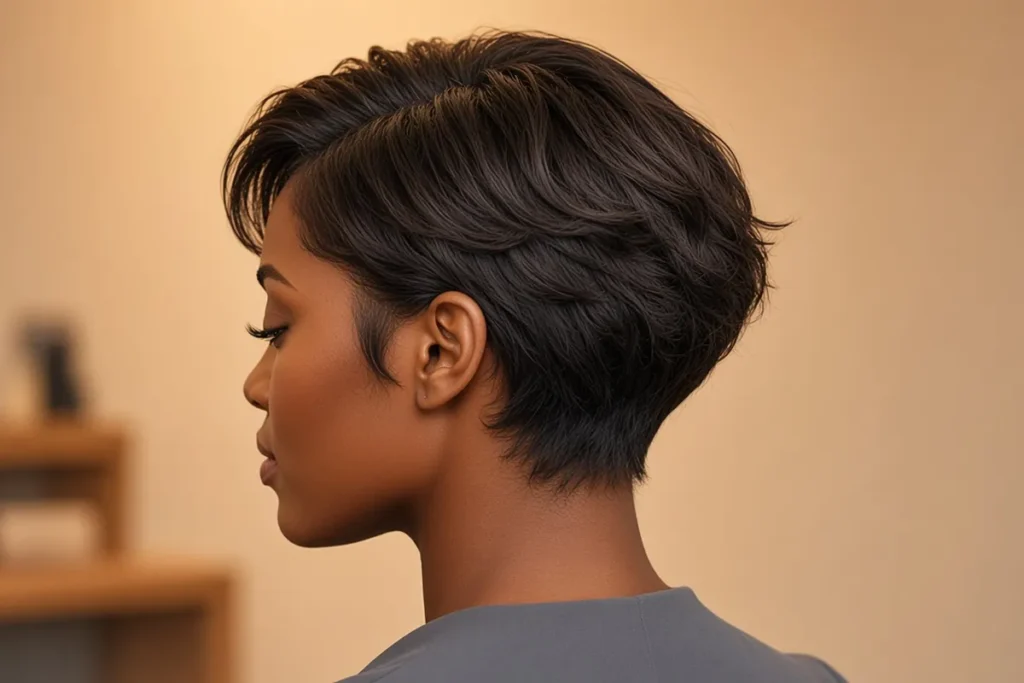
A bixie keeps a short outline with more length through the top and sides than a tight crop. Allure’s summer haircut report shows it alongside the season’s longer shapes. Use a side view to decide how much of your ear you want to see.
For an everyday version, ask to keep the front long enough to move where you want it. Show how far you pull it across your forehead when you’re getting ready. If you prefer it swept away, let your stylist see where it falls without a clip holding it there.
Ask for a softer edge around the ears if you like to tuck the sides. With your usual glasses on, check the spot directly above the arms. A short piece that rests there in the salon may end up in your line of sight if you move it forward later.
Among the short 2026 haircut trends female readers might bring to a consultation, I’d use the back view to choose between these two.
If you still want a line that reaches the jaw in front, start with the graduated bob. If you’re happy to expose more ear and want more freedom to move the top with your fingers, try the bixie reference.
A collarbone cut you can still gather

Collarbone lob

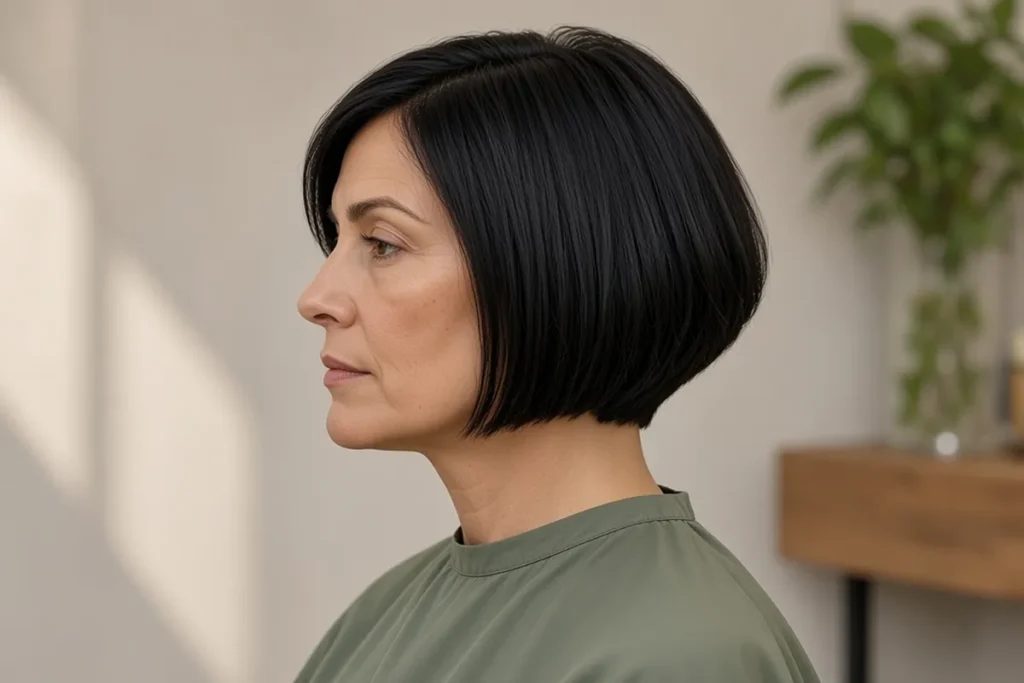
A collarbone lob puts the outer edge around the collarbone. Of the 2026 haircut trends female readers can try, this one’s easy to measure. Use your collarbone to judge where the lob should hit when dry. Bring your hair forward over your shoulders so you can show the spot without guessing from a photo.
If you need to tie your hair back for work, put it in your usual tie at the consultation. Show the shortest pieces that have to reach, then let it down and talk about the length. A low gathering point may work for you even if your usual higher position needs more length.
On loose waves, consider leaving the outer edge fairly full while keeping the front light enough to move. Look at the ends as a group. If they already separate naturally, ask how much more separation the cut would create. Our 2C hair guide can help you describe your texture.
A collarbone cut can look different with a shirt on than it does under a salon cape. Wear a neckline you use often and check the side in the mirror. If you want the end to meet the collarbone, decide how much contact with your clothes you’re happy to see.
Long layers that preserve the bottom edge
Waterfall layers
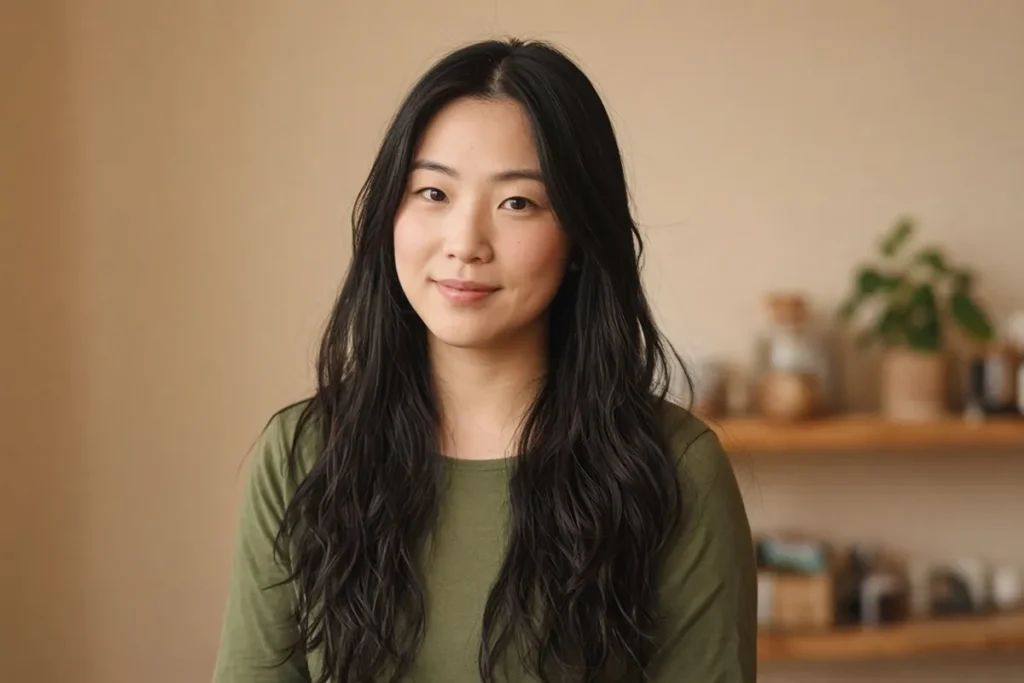
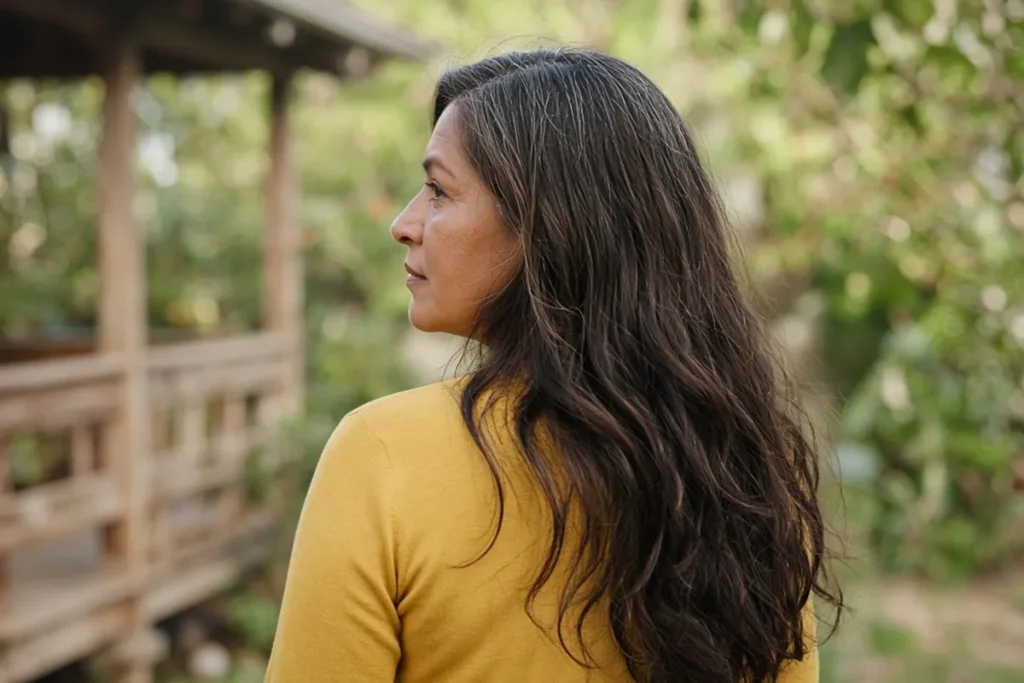
Look for long, connected tiers through the lengths and a continuous outline at the bottom. Allure’s spring haircut report shows the shape under waterfall hair. The layer you notice first in a reference can help you decide where to place movement on your own hair.
If you like seeing the hair move near the cheek, show that spot with your finger. If you tuck everything when you sit down to work, try a lower starting point. Both choices let you talk about the placement separately from the amount you want cut off the bottom.
Bring the ends forward and show which part of that length you want to keep. If you love the weight at the bottom, say so before you ask for movement. You can ask the stylist where they’d remove weight and how much would stay visible along the back.
Use the look you saved while searching “2026 haircut trends female” to find at least one reference with hair at rest.
A shot taken in motion makes it easy to see the layers, but it can obscure how the hair falls against a shirt. Ask to see your own cut from the back once it’s settled. Then bring the front pieces forward to check them.
A rounded crown for curls and coils
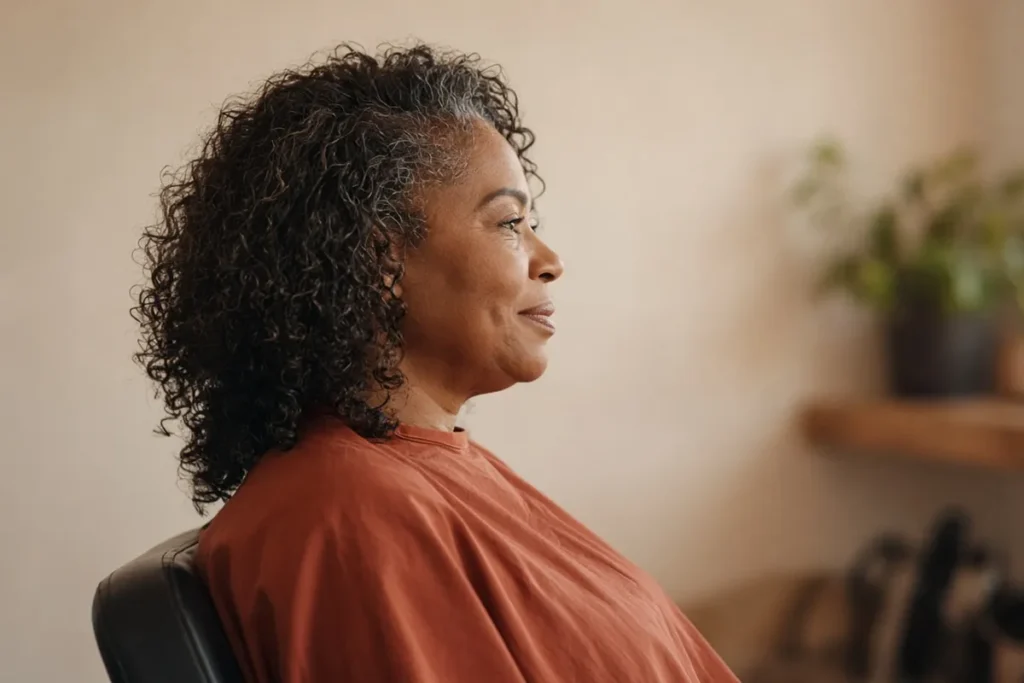
Curly wolf cut

The curly wolf cut brings fullness up toward the crown and leaves longer pieces underneath. Look at the outline of the reference before you focus on a single curl. If you like the length but find the top too big for you, show your stylist how much softer you’d like that change.
Show your hair in the way you wear it most. If you let it dry on its own during the week and stretch it on weekends, photos of both finishes give your stylist more to work with. You can use our 4B hair guide for language to describe tight coils.
Ask to see where the shortest crown pieces will sit on dry hair. Then point out the length you want to keep underneath. If the sides and front dry into different shapes, bring that up before you settle on a reference. Talk about each area you want to keep out of your face.
Give your usual part a try at the end of the appointment. If you switch it often, ask to see the hair fall both ways. You may want the fullness centered or biased a little to one side. Decide from the front and side together so you can see what the change does.
How to choose the right length before you book

Once you’ve narrowed down the 2026 haircut trends female readers can try, stand at a mirror and use your fingers to mark where you’d like the finished outline.
First choose the front. Then turn and mark where you want to see the back. If you want to keep a place for a hair tie, test that before you commit to the shorter option.
Next look at how much you style on a normal morning. Bring a photo of your air-dried hair if you usually leave it alone. A finish that took a brush and a dryer is still worth showing if you love the shape. Explain which parts of that styling you’re willing to repeat.
If you’re changing the hair around your face, wear your glasses to the appointment if you use them. Show where the shortest section can sit without bothering you. Our guide to types of bangs gives you vocabulary for that discussion if you need it.
Finally, tell the stylist if you’re growing out a short section. Hold it up or point to where it sits when dry. It may change which reference makes sense for now. If you’re deciding between two lengths, ask what you could keep this visit and revisit after you’ve worn it for a while.
What to say in the chair
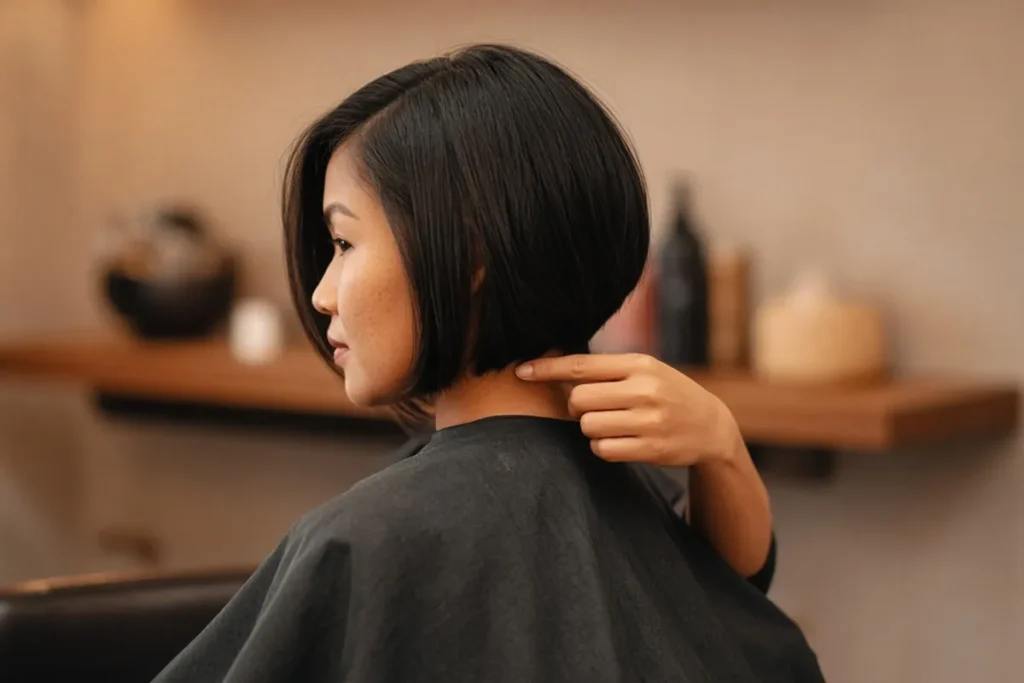
Try opening with a line your stylist can check in the mirror: “I’d like the front to touch my collarbone when it’s dry, and I want enough length to tie it low.” Then point to what you like in the photo. Length and movement can be two separate requests.
For a short cut, show how much ear you want visible. If you like a clean outline at the nape, say where you’d prefer that line to sit. If you want connected layers on longer hair, point to the shortest piece you’re comfortable with and ask how it will join the rest.
Ask your stylist to show you how to set the part and handle the section you find hardest. If the hair near one ear always bends forward, watch what they do with that piece. It’s easier to remember a small adjustment you can do yourself than a full salon finish.
Before you book a return visit, say how you like your hair to look as it grows. Ask where you’ll see the change first. If you enjoy the extra length once it reaches your ear, you may have a different reason to book a trim than someone who wants that ear to stay exposed.
How to judge the cut at home
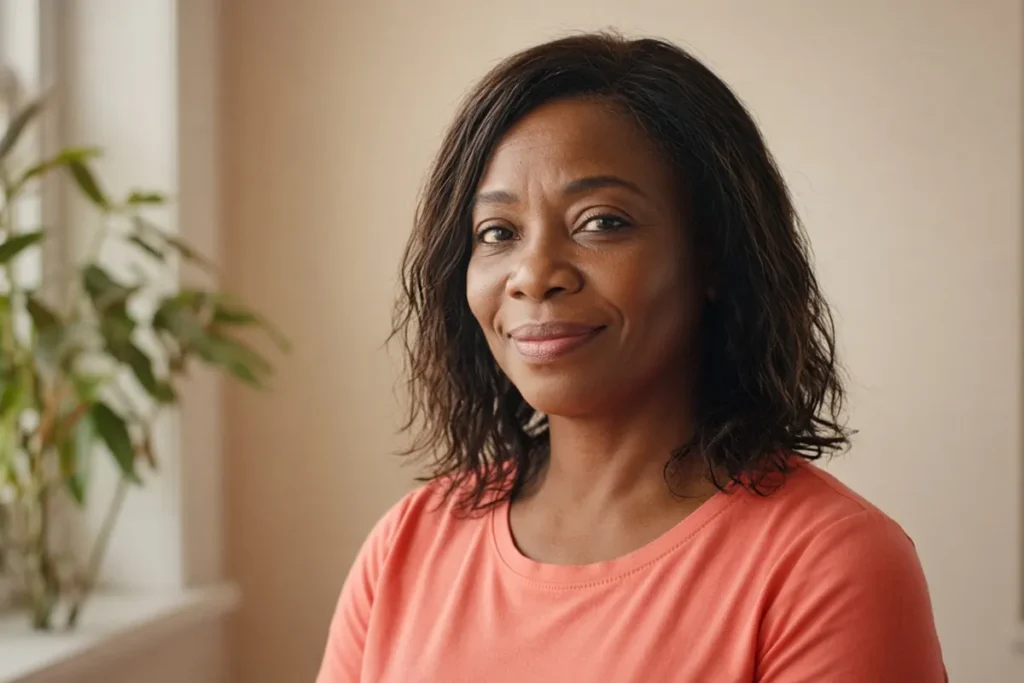
The next time you wash your hair, give it your usual finish before deciding what you think. Look at the part and the outline in a mirror. If the shape feels different from the salon, identify what you want to adjust before changing how you dry the whole head.
A phone photo can help you explain where an end sits against your clothes or where a short piece falls. Take it in daylight and include the side that shows the issue. If you contact your stylist, tell them how you dried it and how you tried to move the section.
Give yourself a chance to wear the cut the way you need it for work or errands. Try your tie, glasses or jacket without the salon cape. If a piece keeps falling out in the same place, show the stylist exactly where you expected it to reach before asking for an adjustment.
FAQs about 2026 haircuts for women
What if I want a change without losing much length?
Start with waterfall layers and show your stylist the bottom edge you want to keep. Point to where you’d like the shortest front section to fall. Bring a still photo so you can see the long outline as clearly as the movement.
What’s the difference between a graduated bob and a bixie?
The graduated bob keeps a longer line toward the jaw and a shorter back. The bixie leaves more room for an exposed ear and a cropped outline with movable length on top. Compare side views before you decide which shape you want around your face.
Can I still tie back a collarbone lob?
That depends on where you tie it and how short the pieces at the front are. Show your stylist the exact position of your usual tie. Ask to leave enough length for any pieces you want to reach it once your hair is dry.
What if my curls don’t look like the reference?
Bring a photo of your own hair after its usual wash and dry. Show which parts of the reference you like, such as the height at the crown or the length underneath. Ask how those details could sit on your own curl pattern.
How do I know if the salon photo will work at home?
Ask what was done to get the finish and which details belong to the cut. Then ask your stylist to show you how to work with your usual part and drying routine. Use a photo with hair at rest if it helps you see the outline more clearly.