
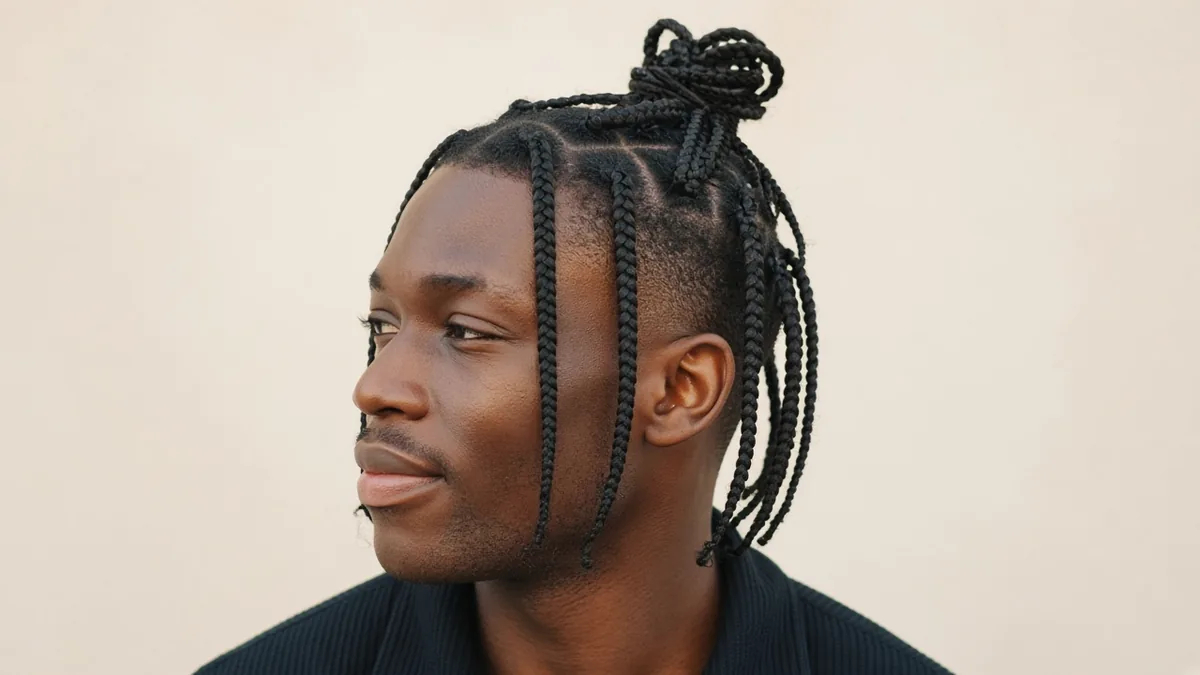
Braids for men come down to three families: cornrows braided flat to the scalp, loose individual braids like box braids, and twists, which aren’t technically braids but get booked and worn the same way. Which one suits you depends far more on your hair length, your texture and how much tension your hairline can take than on any photo you bring in.
That last part gets skipped a lot. A tight braid looks crisp for a week and can cost you your edges over a few years.
Each style below comes with the hair length it needs and how long it realistically lasts, followed by what to ask your braider so your hairline stays where it is.
The main styles, compared
Here’s a rough comparison of the main braids for men. The lengths and times are typical ranges braiders work with rather than hard rules, and extensions change all of them.
| Style | Hair length needed (no extensions) | Time in the chair | Typical wear |
|---|---|---|---|
| Straight-back cornrows | About 2–3 inches | 30–90 minutes | 1–3 weeks |
| Design or zigzag cornrows | About 2–3 inches | 1–2 hours | 1–3 weeks |
| Box braids | About 3–4 inches | 2–6 hours | 4–8 weeks |
| Two-strand or rope twists | About 2 inches | 1–3 hours | 2–4 weeks |
| Dutch or French braids (straight or wavy hair) | About 6 inches | 10–30 minutes | 1–3 days |
Coily hair holds a braid with almost no length because the strands grip each other. Straight hair is the opposite. It’s slippery, so it needs more length and some texture product before a braid will stay put.
Cornrows
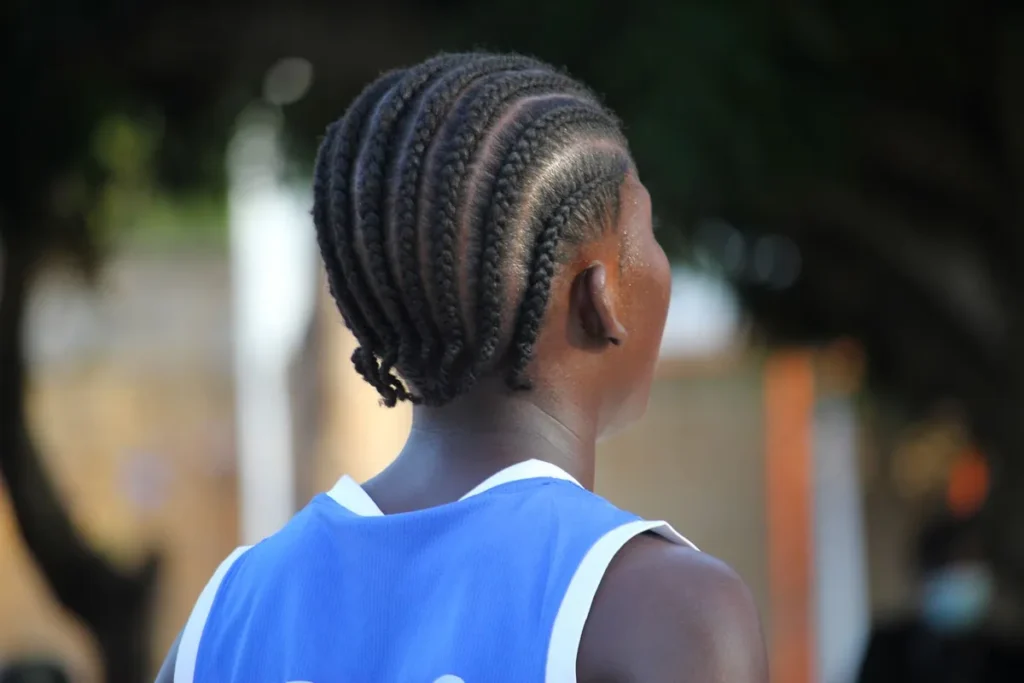
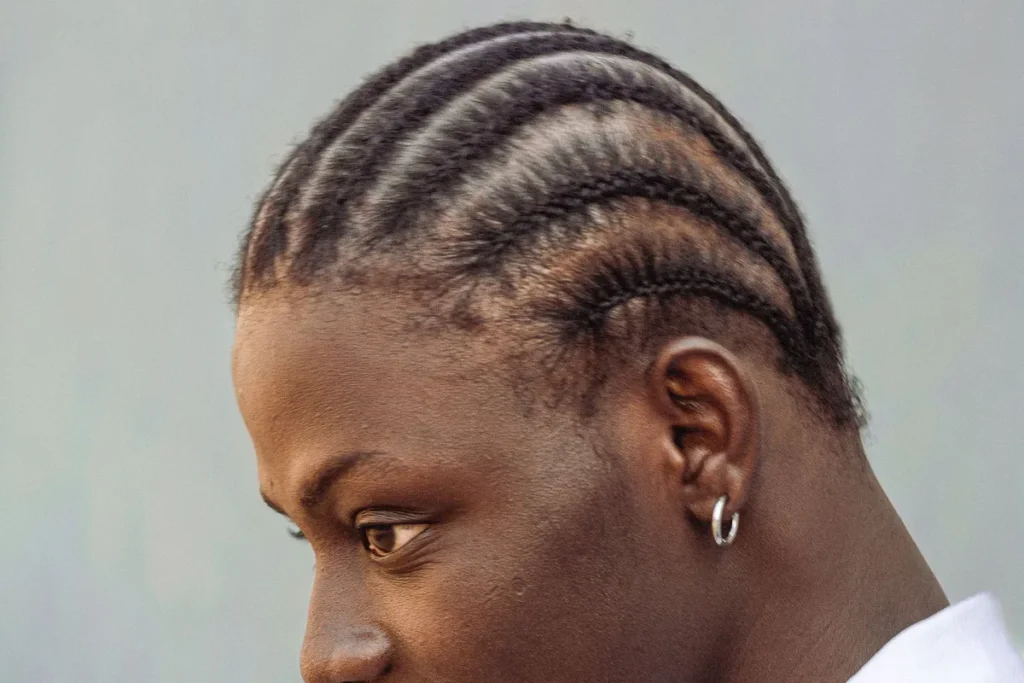
Cornrows are the classic, and still the most requested men’s braid. The hair is braided flat along the scalp in rows, with each pass picking up a bit more hair so the braid stays anchored.
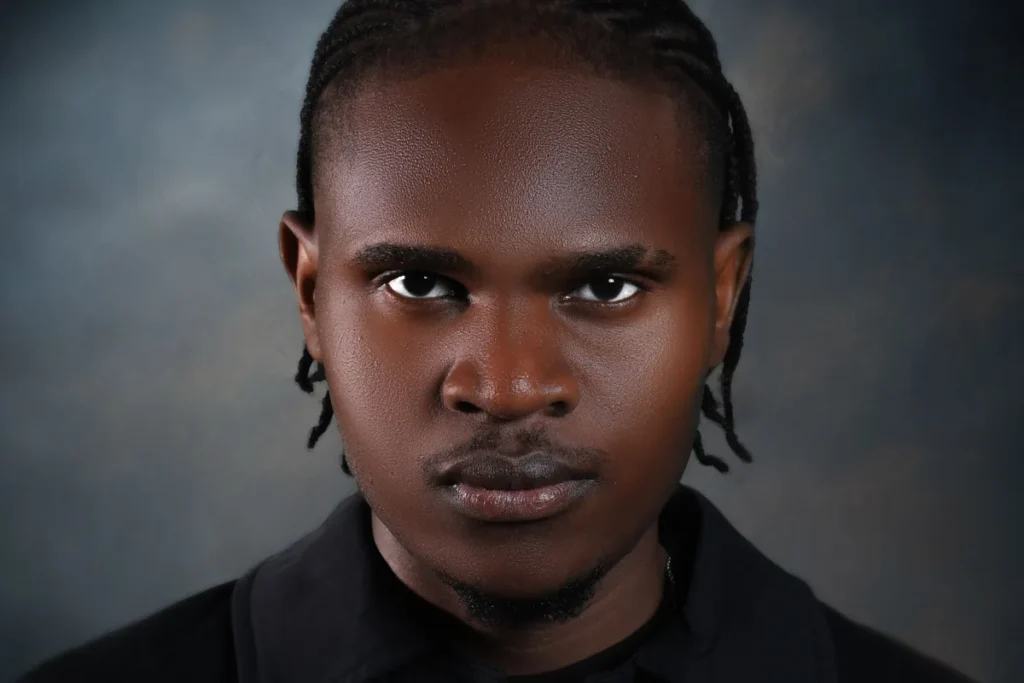
Straight backs run from the hairline to the nape in parallel rows. They’re the cleanest and quickest version, and the one most men start with. Four to eight rows is common. Fewer, thicker rows look bolder and, as you’ll see below, put less strain on each section of hair.
Design cornrows curve, zigzag or weave into patterns. They take longer and the shape relies on precise parting, so this is where a good braider earns their price. Ask to see their pattern work before you book.
Cornrows are also the style most likely to be braided too tight. If you see little bumps along the parts or your scalp feels sore that night, that’s tension, not “breaking them in.”
Stitch braids
Stitch braids are cornrows with visible horizontal lines across each row, made by the braider tucking hair in with a fingernail as they go. The “stitches” make the parts look sharper and the pattern more graphic. They need clean, precise parting and usually cost more than plain straight backs. Because each stitch is pulled snug, ask for them on the looser side around the hairline.

Braids for men with a fade
Cornrows and a fade are a natural pairing. The braids keep length on top while the sides stay tight and sharp, and the contrast frames the pattern.
A low or mid fade keeps it wearable. Our mid fade guide covers where that height sits and the guard numbers involved. For the sharpest contrast, a skin fade takes the sides all the way down to bare skin, though you’ll be back in the chair every couple of weeks to keep it crisp.
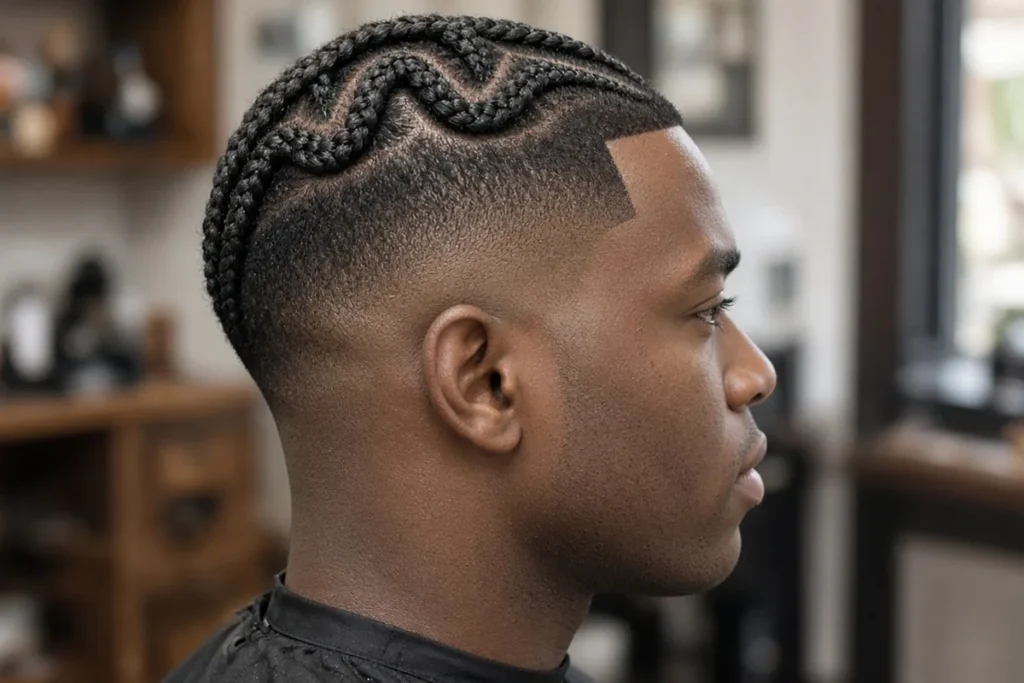
I’d get the braids done first and the fade after. The barber can then shape the fade around where the braids actually sit, and both look fresh on the same day. Do it the other way round and you might find the bottom row of braids doesn’t line up with your fade line.
One thing to know: a fade grows out faster than your braids loosen. A quick line-up in week two keeps the whole thing looking intentional.
Box braids
Box braids are the braids for men that move the most freely. They’re individual three-strand braids, each one starting from a square or rectangular parting (the “box”). They hang free, so you can tie them up, wear them down or pull the top half into a knot.

Size matters here more than people think. Small, tight box braids look neat but take hours and put a lot of pull on a small amount of hair. The American Academy of Dermatology suggests thicker braids and locs, kept shorter, worn no longer than 6–8 weeks to cut down on pulling. Long braids are heavier, and weight is tension.
If you’re adding extensions for length, ask about knotless braids. They start with your own hair and feed the extension hair in gradually, which spreads the weight rather than gripping the root with a knot. They take longer to install but usually feel lighter on day one.
Twists
Twists are the gentlest braids for men, even if a purist would say they aren’t braids at all. They use two strands wrapped around each other instead of three braided ones. That makes them quicker, gentler and easier to take down. They also unravel faster, especially on looser textures.
Two-strand twists are the everyday option. On short hair they’re often the first “braid style” a man tries, and they work well with a taper or fade on the sides.

Rope twists, sometimes called Senegalese twists, are usually done with extension hair and twisted tightly so they look like rope. They hang like box braids and last a similar amount of time.

Twisting your own hair regularly can also be a path to locs. If you have tightly coiled hair and leave twists in long enough, they start to mat at the root. That’s great if locs are the plan, and our guide to dread styles for men covers how they’re started and kept healthy. It’s frustrating if they aren’t. Our 4b hair guide covers how coily textures behave and why they knot so easily.
Braids on straight or wavy hair
Yes, braids work on straight and wavy hair too. They just look different and don’t last as long.
The go-to styles are Dutch braids and French braids. Both pick up hair as they go, like a cornrow. The difference is direction: a Dutch braid crosses the strands under, so the braid sits raised on top of the head. A French braid crosses them over, so it lies flatter and blends in more.
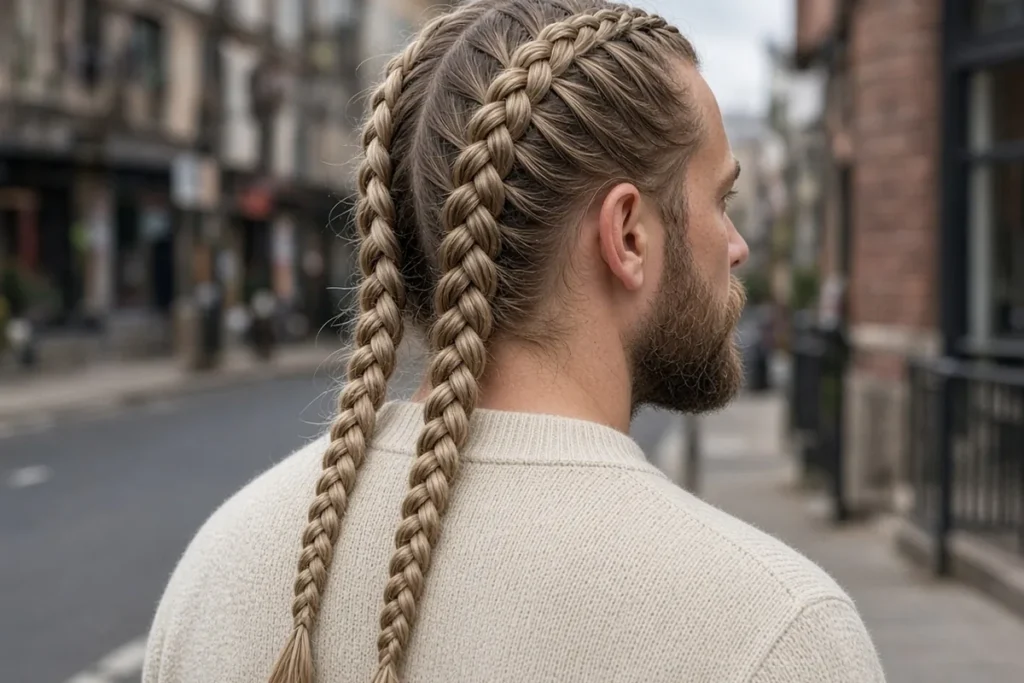
Two Dutch braids running back from the hairline are the most popular look for men with long straight hair. You’ll want roughly six inches on top for them to hold. Shorter than that and the ends slip out within hours.
A few things help. Braid on second-day hair rather than freshly washed hair. Mist in a texture spray or a little dry shampoo for grip. And keep the braids snug but not tight, because straight hair shows tension at the temples just as easily as coily hair does.
Wavy hair sits in between. It grips better than straight hair but frizzes more out of a braid. A light cream before braiding keeps it smoother. If you’re not sure where your waves fall, our 2c hair guide explains how the wavy types differ.
Will your braids last a week on straight hair? Probably not. One to three days is realistic. Think of them as a styled look rather than a protective one.
Braids in a man bun
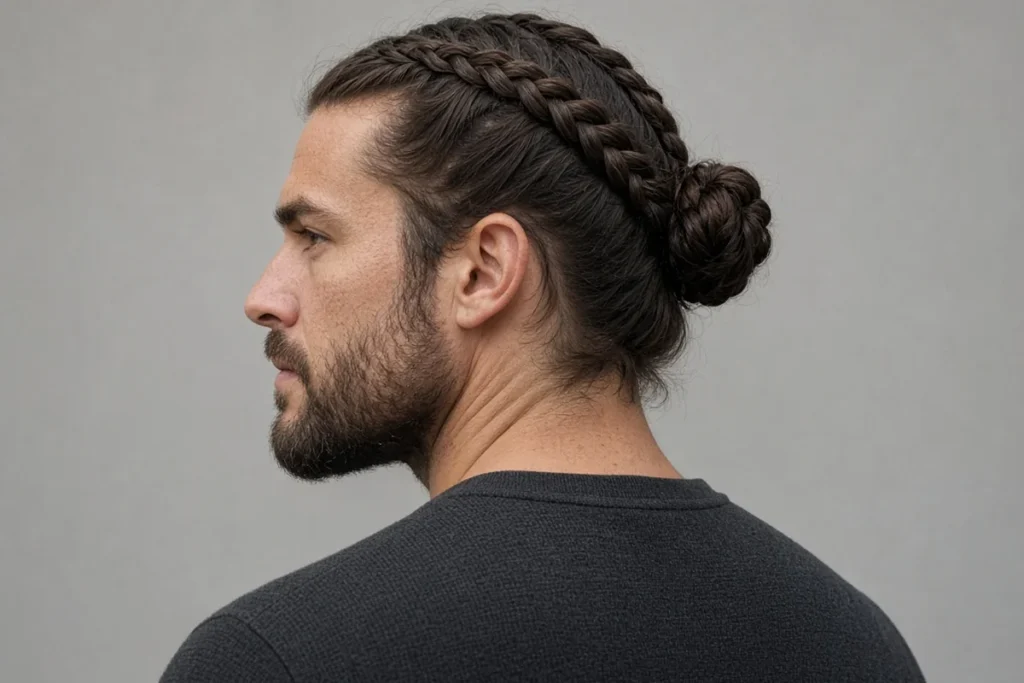
If your hair is long enough to tie back, two or three Dutch braids running from the hairline into a bun at the crown is one of the most practical looks for straight or wavy hair. The braids keep the front neat and the bun takes the ends, so there is nothing to slip loose. Coily hair can do the same with cornrows that end in a puff or a bun. Keep the bun loose enough that it does not pull at the temples.
Before your appointment
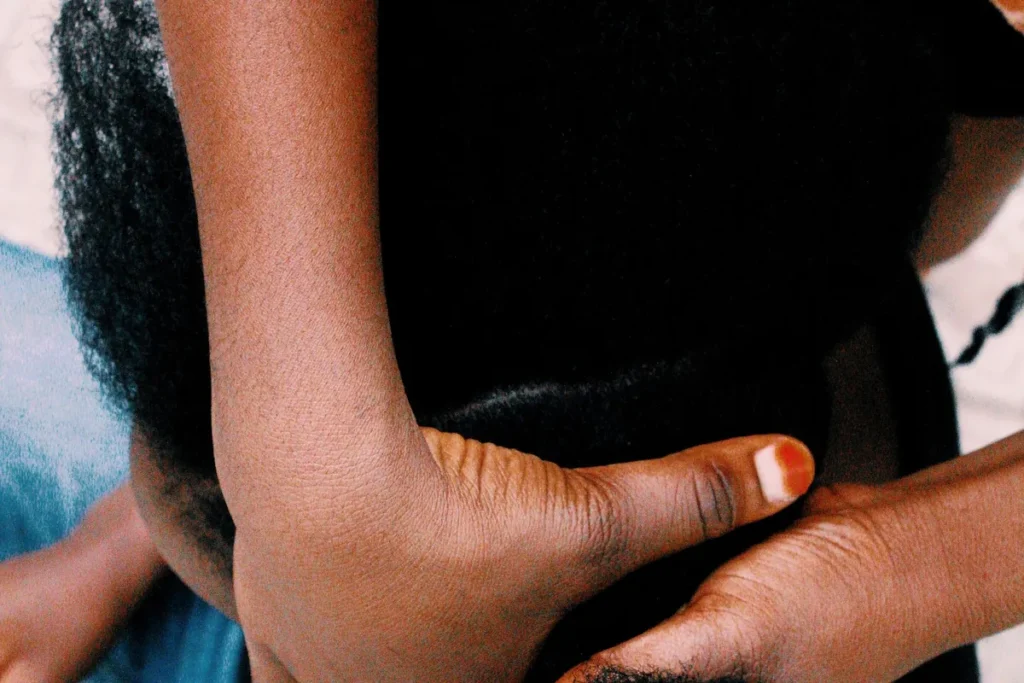
Ask your braider how they want your hair to arrive. Most want it washed, conditioned and fully detangled, and many prefer it blown out or stretched so the parts come out clean. Turning up with product buildup or tangles usually adds time, and sometimes cost.
If you’re getting extensions, ask whether the hair is included or whether you need to bring it, how many packs, and in what color. Matching your natural shade looks the most natural on braids for men. A shade lighter or a little brown reads as a deliberate highlight.
Ask about price up front, too. Braiders usually charge by size and length, so small, long box braids cost the most and straight backs cost the least.
And bring a photo, but describe the parting as well. “Six straight backs, a bit thicker than this picture, not tight at the front” tells a braider far more than a celebrity screenshot does.
How to keep your hairline
Any hairstyle that pulls for long enough can cause traction alopecia, which is hair loss from repeated tension. The AAD lists cornrows, locs and tightly braided hair among the styles that cause it when they’re too tight, and it notes that people of African descent are more prone because of the shape of their hair follicles.

The warning signs are worth memorizing. Pain from tightly pulled hair. Stinging. Small crusts on the scalp. And “tenting,” where the scalp pulls up into little peaks around a braid. Any of those means the braid is too tight.
Check your hairline once a month too. Broken hairs around the forehead or a hairline that seems to be creeping back are early signs. Caught early, it’s often treatable. Left long enough, the AAD says it can become permanent.
What helps:
- Ask your braider to go easier around the hairline and temples.
- Choose fewer, thicker braids over many tiny ones.
- Take braids out by the 6–8 week mark, and give your hair a break between installs.
- Use covered elastics made for hair, not rubber bands.
And if a braid hurts, it’s too tight. That’s the AAD’s rule, and it’s a good one.
Making braids last
Most braids for men last longer than you’d expect with a bit of night-time care. Sleep in a satin or silk durag, scarf or bonnet, tied snugly rather than tight. The AAD notes silk and satin coverings are gentler on hair, and they also keep frizz down so your braids look fresher for longer.

Keep your scalp clean, too. Diluted shampoo applied to the parts with a nozzle bottle, then a thorough rinse, works for most braided styles. Let them dry fully afterwards. Braids that stay damp for hours can start to smell.
Go light on product. A little lightweight oil on the scalp if it’s itchy or tight, but heavy gels and greases build up in the parts and are hard to wash out. If your scalp itches badly, flakes heavily or develops bumps, see a dermatologist rather than piling on more product.
Braids at work and school
If your workplace or school has ever pushed back on braids, it’s worth knowing the law may be on your side. The CROWN Act, which stands for “Creating a Respectful and Open World for Natural Hair,” bans race-based hair discrimination, including against braids, locs and twists, in the states that have adopted it. According to the official CROWN Act campaign, it started in California in 2019 and has passed in about 30 states, with a federal version reintroduced in Congress in February 2025.
Laws vary by country and state, so check your local rules if you need to rely on it.
Where braids come from
Braids for men aren’t a trend that started with music videos. In West African societies, including the Wolof, Mende and Yoruba, braided styles signaled things like marital status, age, wealth, religion and social class, as a Smithsonian Center for Folklife and Cultural Heritage essay explains. Cornrows carried that tradition into Black communities across the Americas.
That history is part of why braids for men deserve a specialist, and why a good braider treats the work as a craft. It’s also worth keeping in mind if you’re borrowing the style from a culture that isn’t yours: book a braider who specializes in it, and pay for the skill.
You’ll find more braided and twisted looks in our hairstyles section.
Quick questions about men’s braids
How long do braids last for guys?
Cornrows usually last one to three weeks. Box braids and rope twists often last four to eight weeks, and the AAD suggests not going past eight. Braids on straight hair last a day or two.
How long does my hair need to be for braids?
On coily hair, about two to three inches is enough for cornrows. Box braids without extensions need a bit more. Straight hair needs around six inches for Dutch or French braids to hold.
Can braids cause hair loss?
They can if they’re too tight or worn constantly. That’s traction alopecia. Looser, thicker braids, breaks between styles and attention to the hairline lower the risk a lot.
Which braids are easiest to look after?
Straight-back cornrows and short two-strand twists. Both are quick to install, simple to keep clean and easy to take down, so you can swap styles without much commitment.
What’s the difference between braids and twists?
Braids use three strands woven together. Twists use two strands wrapped around each other. Twists are faster and gentler, but they loosen sooner.
How much do braids cost for men?
It depends on the style and the city. Straight-back cornrows are usually the cheapest booking, often in a one-hour slot. Design cornrows, stitch braids and box braids with extensions take longer and cost more, and many braiders charge extra for hair, washing or take-down. Ask for the full price, including hair, when you book.