

Copper hair is a warm red with a strong orange-gold cast, the color of a new penny rather than a ripe cherry. It sits between strawberry blonde and auburn, and it comes in more versions than most people realize, from pale apricot to a deep, brown-leaning rust.
It is also the red that fades fastest. If you have ever paid for a beautiful copper and watched it go flat and brassy within three weeks, you already know that.
Most of that is fixable. Some of it comes down to picking the right shade for your starting color, and the rest is aftercare.
What makes a color “copper”
All reds aren’t the same. A colorist thinks about the tone underneath. Copper leans orange and gold. Auburn leans brown-red. True red and burgundy lean toward violet and blue. Dark, cool reds like cherry cola hair color sit at that end of the family.
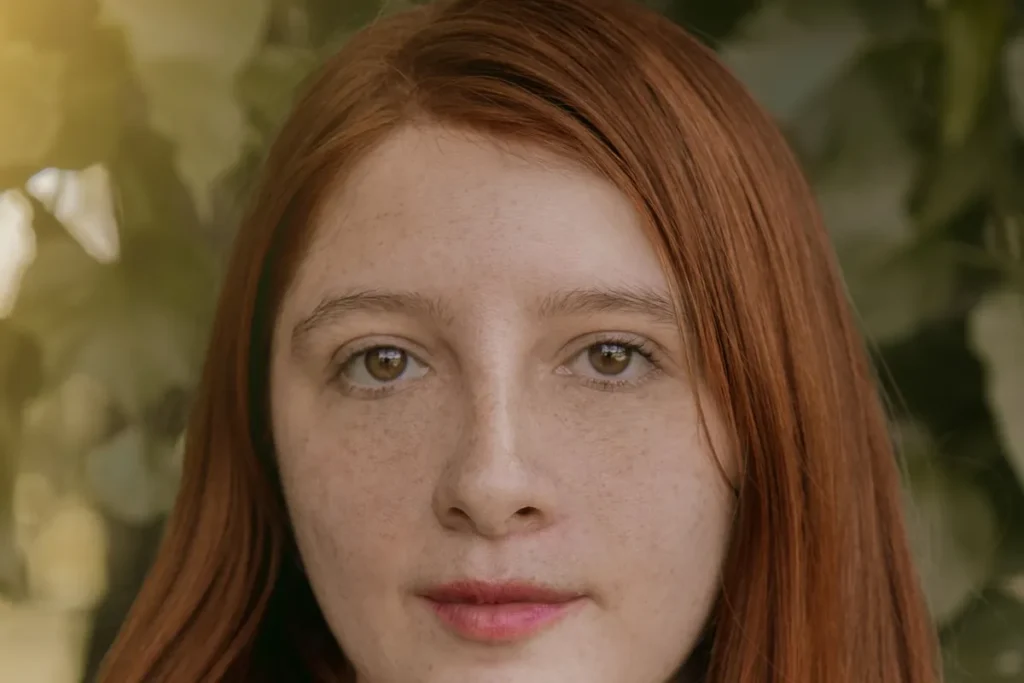
Wella’s guide to copper shades describes classic copper as “a vibrant, fiery, orange-red hair color,” and notes it now covers everything from peach-tinted copper blondes to rusty copper browns. That range is the useful bit. It means you don’t have to wear the brightest version to get the look.
If you’re buying color, the numbers on the box help. In L’Oréal Professionnel’s Majirel chart, the first number is the depth (how light or dark) and the digit after the point is the tone, where .4 means copper. So a 7.4 is a medium-light copper blonde and a 5.4 is a light copper brown. But brands use different numbering, so always check that brand’s own chart. Our chestnut brown hair guide breaks down how to read those codes across brands.
Copper shades worth knowing
The main shades, roughly from lightest to deepest.
| Shade | What it looks like | Easiest starting point |
|---|---|---|
| Copper blonde / apricot | Soft golden-peach | Natural or colored blonde |
| True copper | Bright orange-red | Light brown or blonde |
| Rose copper | Copper with a pink-rose softness | Blonde or light brown |
| Cowboy copper | Muted, brownish, tan-leather copper | Medium brown |
| Copper brown | Brown with obvious red-gold warmth | Medium to dark brown |
| Dark or burnished copper | Deep rust with brighter ends | Dark brown |

Copper blonde is the gentle way in. It looks like strawberry blonde turned up a notch, and it grows out softly on light hair.
True copper is the one in your head when you think “copper hair.” It’s high-impact and needs the most upkeep.
Rose copper adds a little pink. It’s pretty on fair skin with pink undertones, but the pink is usually the first part to fade.

Cowboy copper went viral as a muted, browner copper. Wella calls its version “cowgirl copper” and describes it as tan-tinted red-brown, like worn leather boots. It’s the most forgiving copper for brunettes because it doesn’t need much lift and it fades gracefully.
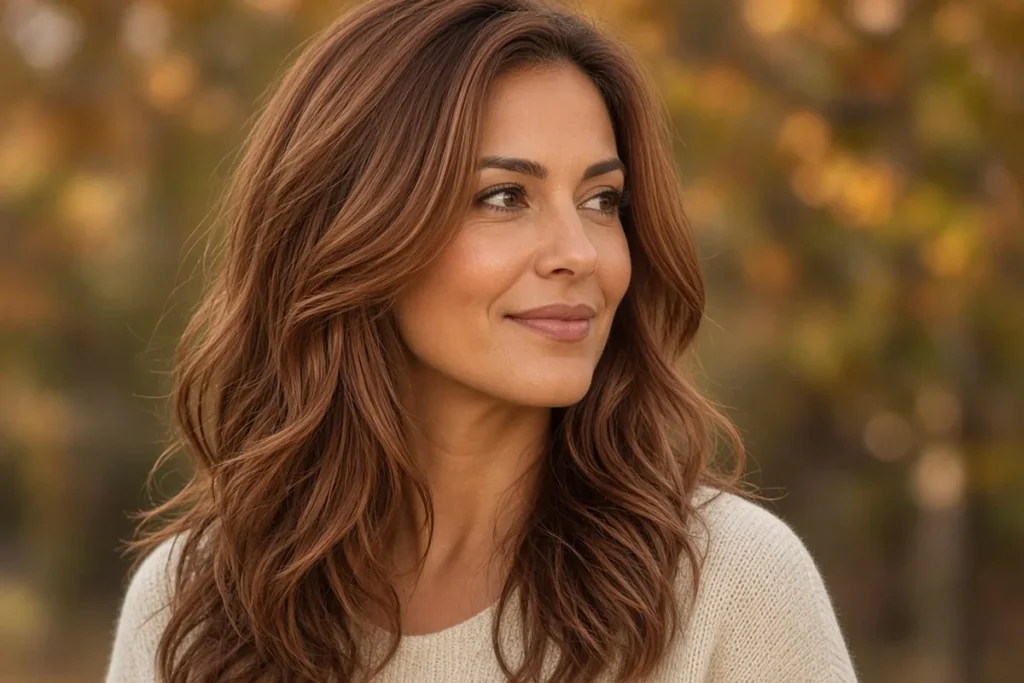
Copper brown and dark copper keep a brunette base with obvious warmth. If you love the idea of copper but don’t want to see orange every time you look in the mirror, start here.
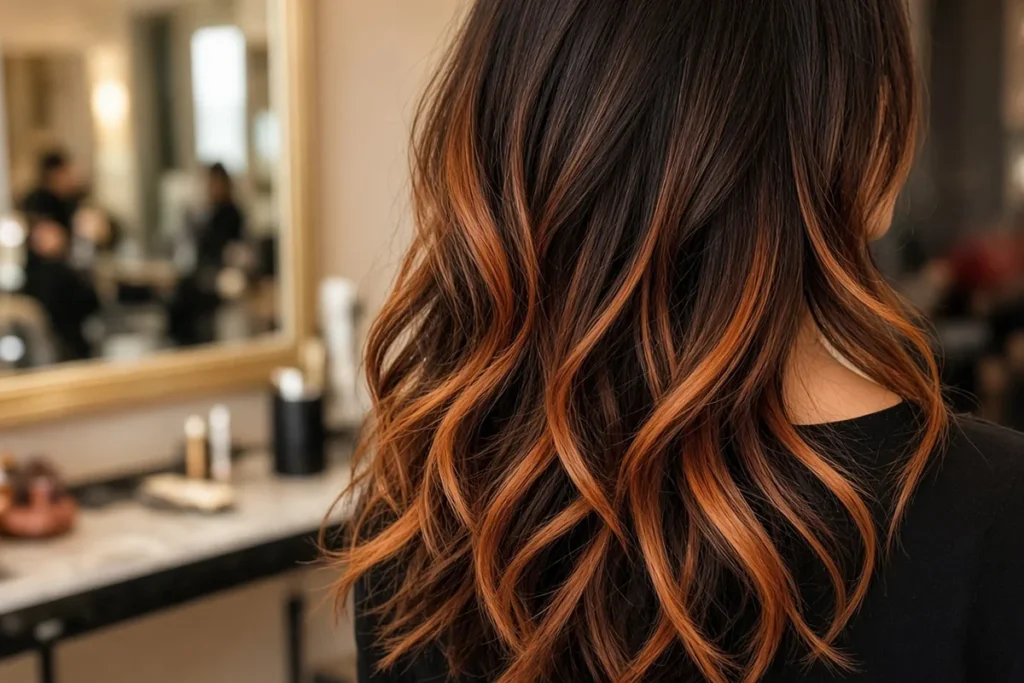
And then there’s copper balayage, where the copper is painted through the mid-lengths and ends and your natural roots stay put. It’s the lowest-commitment option on this list.
Will copper suit you?
The general rule is that warm and neutral skin tones look good with classic copper, and cooler skin tones look better with coppers that lean redder or rosier. Wella’s guidance says the same thing, and it also says these are guidelines rather than rules, which I’d agree with.
A better test is your eyes and your wardrobe. If you look good in rust, camel, olive and gold, you’ll probably love copper. If you live in cool greys and icy blues and feel washed out in orange, go for a rose copper or a copper brown instead.
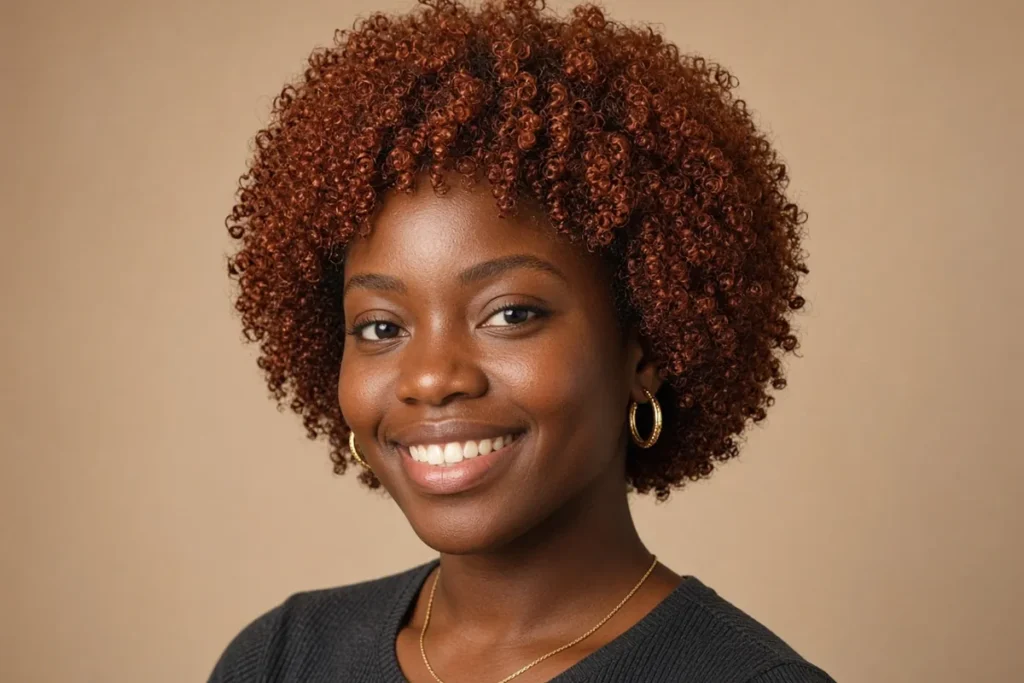
Deep skin tones look incredible with copper hair in rich, burnished shades and copper brown. Very bright, pale coppers can look a little stark against deep skin unless that’s the effect you’re after.
Where you’re starting from matters
From blonde, copper hair is easy. You’re adding pigment rather than taking it away, so a single color application or even a demi-permanent gloss can get you there. The catch is that pale blonde hair is often porous, so the copper may grab unevenly and fade faster.
From light or medium brown, most coppers are reachable in one appointment with a permanent color that lifts and deposits at the same time.
From dark brown or black, it’s harder. Permanent color only lifts so far, so for a bright copper you’ll probably need lightener first. Dark hair, though, already has lots of warm, orange pigment underneath. so it goes copper quite willingly. Getting a clean, even, light copper that takes work.
If you’re covering grey, copper is one of the friendlier choices. Grey hair has no pigment of its own, so copper tends to look brighter and lighter on the grey strands than on the rest, which reads as natural-looking dimension rather than obvious roots. Grey can also be resistant to color, though. Colorists often mix the copper shade with a natural shade at the same depth for better coverage, and if you want full coverage it’s worth asking for that.
On curly and coily hair, the color usually looks deeper than it does on straight hair, because the texture scatters light differently. If you’re working with tight coils, our 4b hair guide covers the moisture routine that keeps colored coily hair from drying out.

Box dye or salon?
If you’re going from blonde or light brown to copper blonde or copper brown, box dye is realistic. Pick a shade with a .4 or a copper tone at roughly the same depth as your hair, or one level lighter.
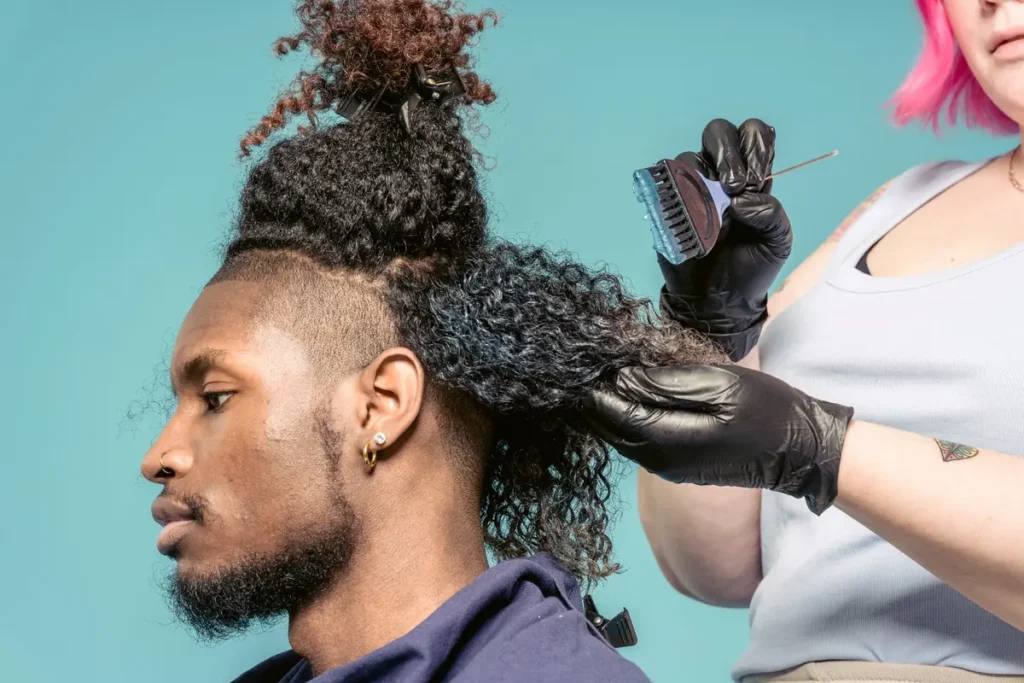
But I’d book a salon if you’re dark and want a bright copper, if you’ve got old box color in your lengths, or if you want balayage. Going from dark to bright copper at home is how people end up with orange roots and dull brown ends.
When you book, bring two or three photos, and say which part of each one you like. “This depth, that brightness, roots like this one” is far more useful than one picture of a celebrity shot under studio lights. Tell your colorist how often you’re realistically willing to come back, too. If the honest answer is every three months, a cowboy copper or a copper balayage will make you happier than a vivid all-over copper that needs a gloss every month.
Either way, do a patch test. The NHS advises testing the dye on a strand of your hair at least 48 hours before using it, and not using it again if you react. That applies to every box, every time, even if it’s a brand you’ve used before.
Why copper fades so fast, and how to slow it down
Copper fades faster than most colors because of the dye molecules themselves. Wella’s red hair care guide explains that red color molecules are larger than those in blondes and browns, which makes it harder for them to penetrate the cortex and easier for them to wash out.

So the habits that protect copper hair are mostly about water, heat and sun.
Wait at least 48 hours after coloring before your first wash. Wella’s advice is to give the cuticle time to close.
Wash less. Two or three times a week is a sensible goal, with a sulfate-free, color-safe shampoo focused on the scalp.
Turn the water down to lukewarm. Hot water opens the cuticle and lets the color out.
Protect it from sun. UV breaks down the color molecules, so a hat or a UV-protecting spray helps in summer.
Use a copper color-depositing mask or conditioner once a week. It adds a little pigment back with every use and is the single most effective way I know to keep copper bright between appointments.
And book a gloss or toner every four to six weeks. It’s quicker and cheaper than a full color, and it brings the shine back.
Want copper without committing to a full head? Hidden copper under the top layer is a great test run. Our peekaboo hair guide explains the placement, and copper is one of the warm shades that suits a brunette peekaboo. Or go the other way and pair copper with blonde and a dark base for a calico hair look.
Brows, makeup and the small things
One thing nobody mentions until you’ve done it: copper hair changes how your eyebrows look. Dark brown or black brows can look harsh under a bright copper. Many colorists suggest warming the brows a shade with a tinted brow gel, or a professional brow tint, rather than leaving them very cool and dark. Keep it subtle. Bright copper brows rarely look natural.

Makeup shifts a bit too. Warm bronzers, peach and terracotta blush, and brown or bronze eyeliner usually look better with copper hair than cool pinks and stark black. Cool reds on the lips can clash with orange-leaning copper. Berry and brick shades tend to sit more comfortably.
Olive, cream, camel, navy and denim all sit well next to copper. And if you’ve got a favorite bright orange top, it might suddenly look like it’s trying to match your hair.
Copper hair for men
Copper on short hair is easier to wear than people think, because there’s less length to fade unevenly. A copper brown or a soft copper gloss on a crop or a fade adds warmth without screaming for attention. True copper on short hair is bolder, and it needs refreshing more often because short cuts are trimmed so frequently.

If you’ve got a beard with natural red in it, copper can look surprisingly natural. Coloring beards is a different job, though. Facial skin is more sensitive, so a separate patch test and a product made for facial hair are the safer bet.
Going back from copper
It’s easier to get into copper than out of it. Red and copper pigments tend to hang around in the hair long after you stop dyeing.
Going darker is the simple route. A brown over faded copper will look warmer than the same brown on untouched hair, which most people like. Going back to blonde is the hard one, because lightening copper-dyed hair often pulls through as orange or salmon. If that’s your plan, book a consultation and expect it to take more than one appointment.
Copper hair questions
Does copper hair fade to orange?
It tends to fade lighter and more golden, and on lightened hair it can look brassy. A copper color-depositing conditioner and lukewarm water slow it down.
Can I go copper without bleach?
Often, yes. From light or medium brown, a permanent copper can lift a couple of levels and deposit tone in one step. From very dark brown or black, you’ll usually need lightener for anything brighter than a copper brown.
How long does copper hair last between appointments?
Expect it to look noticeably softer after four to six weeks, which is why that’s the usual window for a gloss or refresh. Cool washes, fewer washes and a copper mask can stretch it.
What’s the difference between copper and auburn?
Copper is brighter and more orange. Auburn is deeper and browner, with a red-brown look. Copper brown sits between the two.
See more shades and color guides in the HairBrave hair color section.