

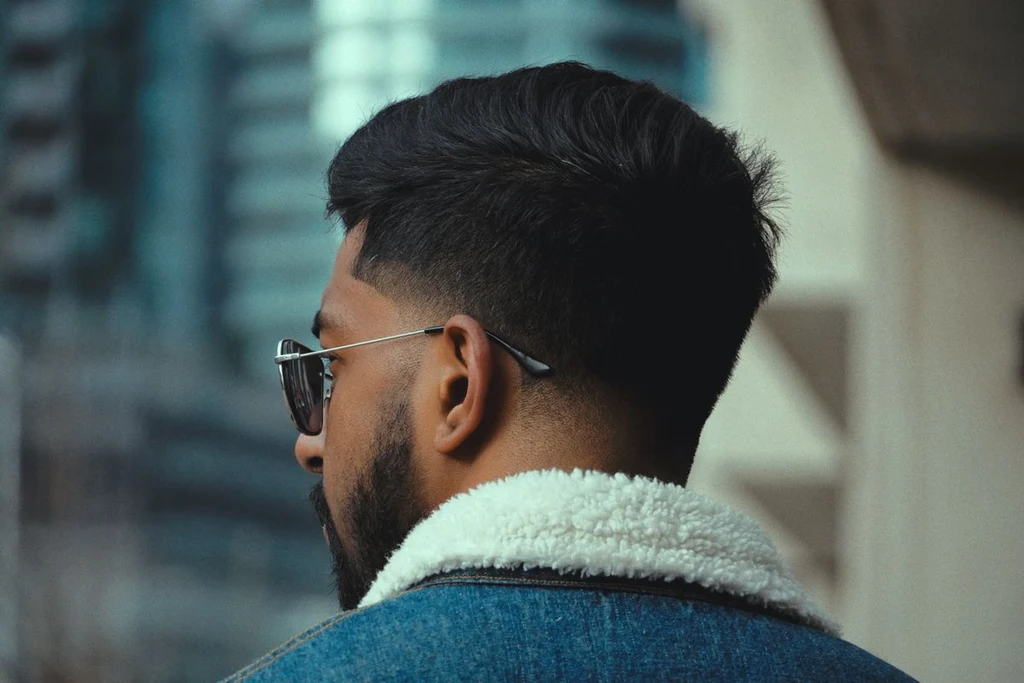
A temple fade is the smallest fade a barber can give you, and that is the whole point of it. It touches one patch of hair only: the front corners at the temples, running down the sideburn to about the top of the ear. Everything behind that — the sides above the ear, the whole back — stays the same even length, often a single guard all over. From the front you look sharp and finished. From the side you look like nothing much happened, and that is exactly what makes it work.
The catch is that a fade this small is only as good as the lineup. The front hairline and the angle at the temple are cut crisp with a trimmer and finished with a razor, and the short blend just under the line is what keeps it from looking stuck on. When the lineup is fresh, it looks like the cleanest cut in the room. When it goes soft, about ten days later, it looks like you forgot to book the next visit. That is the deal with this cut, and it is worth knowing before you sit in the chair.
I will be honest about the other half too. It will not fix anything else about your hair.
It will not make the sides narrower, it will not take bulk out of the cut, and it will not make a long top look tidy on its own. What it does, it does well: it frames your face, it keeps the corners clean, and it lets the rest of the cut stay exactly as long as you like it. If that is what you want, this is the cheapest cut that looks expensive. If you want the sides taken down, ask for a different fade, and I would rather you hear that here than learn it in the chair.

What Is a Temple Fade?
Think of it as a fade with a very small job description. The barber blends the hair shorter as it approaches the skin, but only around the temple and the sideburn. The blend runs from the longer hair above down to very short hair at the corner, and it stops at about the top of the ear. Above that line and behind it, nothing changes.
The other names for it tell you where it comes from. Temp fade is just short for temple fade. Brooklyn fade comes from the New York barbershops where the style became a staple for short, textured cuts and wave styles.
Three things it is not, because the names get mixed up in the chair. It is not a taper fade. A taper usually cleans the sideburns and the neckline as well, while this one focuses on the front corners and pairs with a lineup. Many cuts combine both, and plenty of men add a tapered neckline for balance, which moves the cut a step toward a low taper.
It is not a mid fade either. A mid fade carries the blend around the whole head, up to temple height on the sides and the back. This one leaves the back alone. If you want the back faded, say so, because the barber will not guess it from the word temple.
And it is not a skin fade. The shortest point can go very short, but the point of the cut is the sharp line at the front, not bare skin all the way around. If you want skin, say so, and our guide to the skin fade shows that finish on its own.
Temple Fade vs Low Taper Fade vs Mid Fade vs Burst Fade
Four cuts share the same short work near the ear. What sets them apart is how much of the head the fade covers, so if you only say “fade”, you can walk out with any of them.
| Cut | Where the fade sits | Sides and back | Top | Best for |
|---|---|---|---|---|
| Temple fade | Temple corners and sideburns only | Stay one even length | Any length | A sharp front with the rest untouched |
| Low taper fade | Low band around the ear and nape | Short at the edges, full above | Any length | A clean, safe finish all round |
| Mid fade | Around the whole head at temple height | Blended all the way around | Any length | More contrast, more definition |
| Burst fade | Curved around the ear | Longer at the nape | Textured, curly, or mullet | Curly hair and mullets |
A low taper fade and this cut can look alike from the front. The difference is at the back: a low taper cleans the sideburns and the neckline too, while this one leaves them alone. Read our mid fade guide to see what changes when the blend runs all the way around the head.
Height changes the whole mood. Low keeps the faded patch small and looks the softest, and it is the version most men mean when they ask for this. Mid starts higher around the temple and adds definition. High takes the short work farther up the sides, and in my view it stops being this cut at all, because the patch is no longer small.
Who Does a Temple Fade Suit?
This cut suits most faces, because the faded patch is so small it barely changes the shape of your head. What does the face-shape work is the top, not the fade. Keep height on top if your face is round, and do not push the line too high if your face is long.
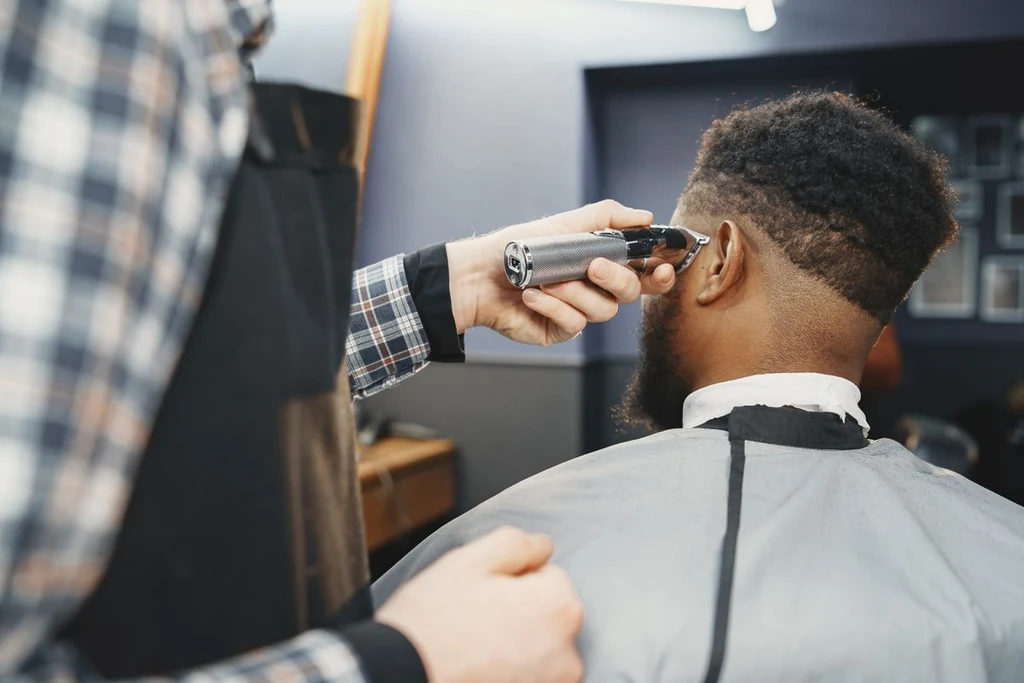
Straight Hair
Straight hair makes the blend easy to see, which is good and bad. On a short cut like a crew cut or a buzz, the blend looks crisp and deliberate. On longer straight hair the small fade is mostly hidden, so it adds little. If your top is longer than about 3 inches and straight, it will not show unless someone looks from the side.
Wavy Hair
Wavy hair is an easy match. The waves give the top movement, and the clean temples keep the whole thing from looking messy. Keep some length on top so the waves stay visible, and ask for a low or mid version rather than a high one. The soft version suits the relaxed look wavy hair already has.
Curly Hair
Curly hair and this cut are a natural pair. The curls hold their length evenly across the sides, so the short blend at the temple stands out against them. A curly top with a clean fade at the temples frames the face while the curls stay the main feature. Our guide to 4b hair covers how that texture behaves day to day.
Coily Hair
Coily hair is where this cut earns its keep. Tight curls hold their shape across the top and sides, so a little shaping at the front makes a big difference. It suits 360 waves especially well, because the temp fade keeps the wave pattern intact across the sides and back while the lineup frames it. It also suits a short afro, because it cleans up the front corners without taking anything off the round shape.
7 Temple Fades Worth Asking For
Some guides list 20 or 40 versions of this cut. Most of them are the same fade with a different top on it. These seven are different enough to matter, because each one changes the height, the finish, or what the top does.
Classic low version. The baseline: the faded patch stays close to the temple and the sideburn, the rest of the cut keeps one even length, and the lineup does the talking. Ask for it if you want a clean cut without removing much hair. It is the easiest version to grow out, and the one I point first-timers at.
Mid version. The blend starts a little higher around the temple, so the sides get more definition without the strongest possible contrast. It suits thick, wavy hair, because the higher start takes a little bulk off the sides while the top keeps its movement.
High version. The short work climbs farther up around the temple, so the contrast is strong and the cut reads bold. Ask for it if you want the fade to be the feature, not the frame.
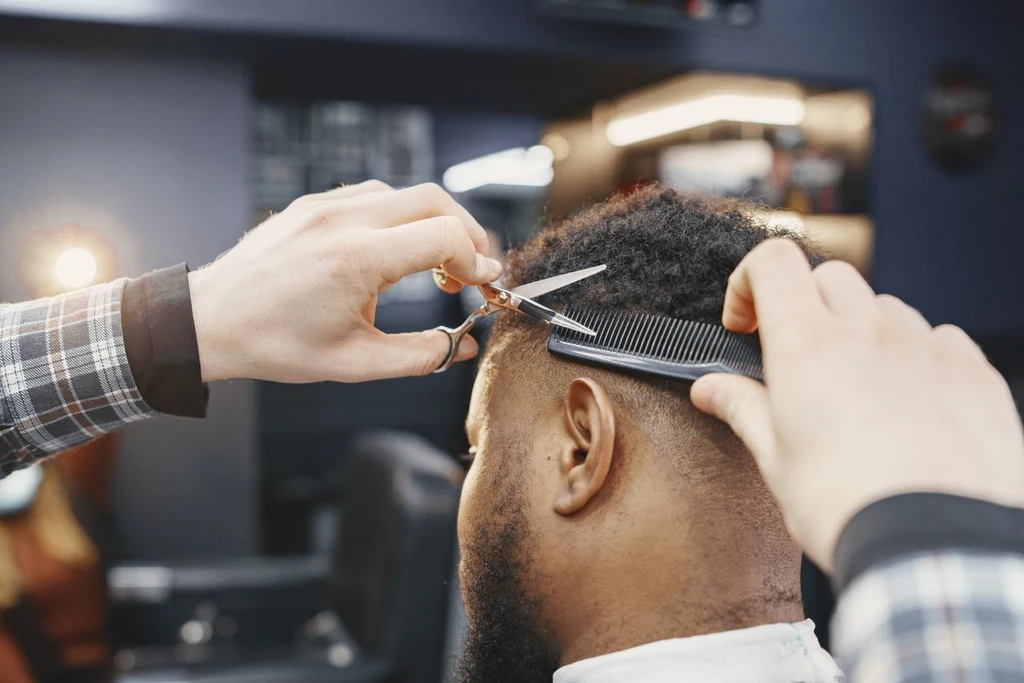
Temple taper fade. The soft version. The blend around the temple and sideburn is gradual, without the sides looking extremely short, so it reads classic and professional. Ask for it if you work in an office and want a modern cut that still looks conservative. It is also the easiest of the seven to maintain, because a soft blend hides regrowth longer than a sharp one.
With 360 waves. The waves stay, the corners get clean. The temp fade keeps the wave pattern intact across the sides and back while the lineup frames it, and the top stays short enough to brush. Sleep in a durag or on a satin pillowcase so the pattern survives the night, and keep the lineup on schedule or the waves lose their frame.
With a short afro. The front corners get cleaned up and the round shape stays. It is one of the most intentional combinations in natural hair styling, because the fade gives the afro a frame without reducing its volume. Ask for a low version with a blend into the beard if you wear one, so the whole head reads as one shape.
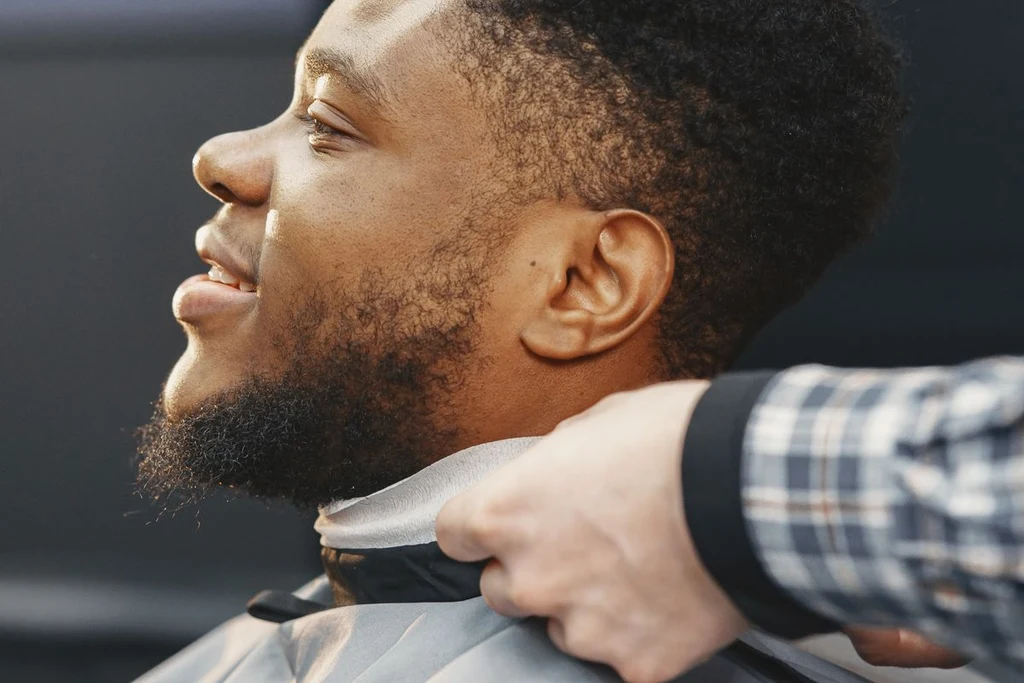
With a beard. The fade flows into the beard through the sideburn, so the head and the jaw read as one shape. The beard does not need to be long. Short stubble or a neatly trimmed beard works just as well, as long as the sideburn connects cleanly. If you want the beard shaped too, say so when you book, because it is not automatic.
How to Ask Your Barber for a Temple Fade
Say the name of the cut first, then say what you do not want. “Temple fade, please — just the corners and the sideburns. Leave the sides and the back at one length.” That is a better brief than “a fade”, which means a different cut in every shop.
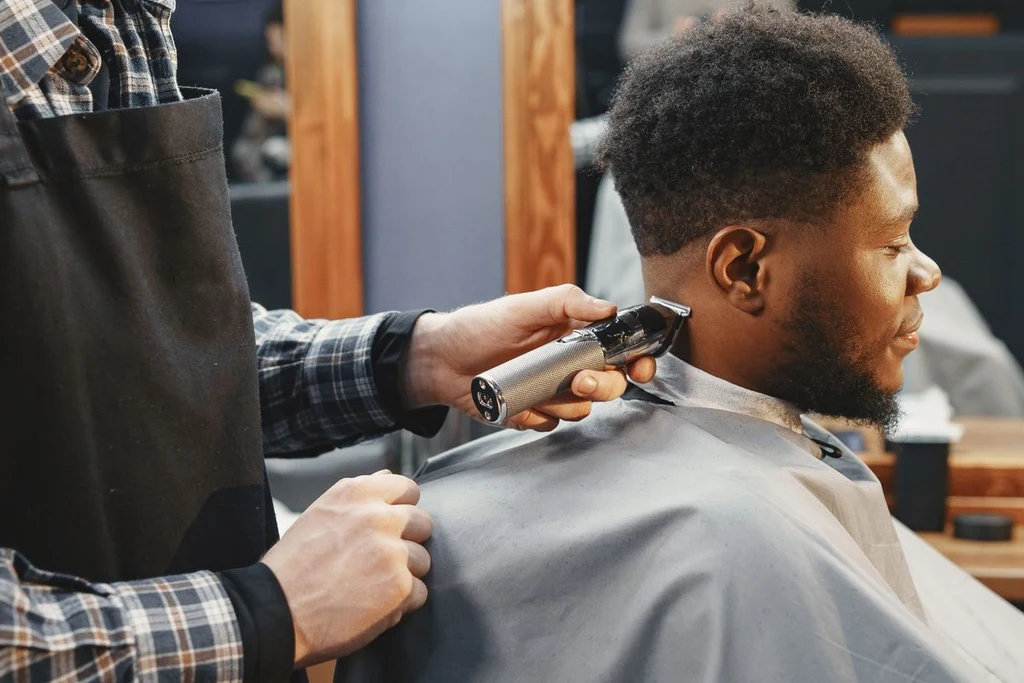
Then say the height. Low means the faded patch stays close to the temple and the sideburn. Mid means it starts a little higher and gives the sides more definition. High means strong contrast and the most upkeep. If you do not say the height, your barber will guess, and his guess may not be yours.
Then decide the back and the neckline before the clippers come out. This cut on its own leaves the back and the neckline at whatever length the rest of the cut is. If you want the neckline tapered for balance, say so now, because that moves the cut a step toward a low taper. If you want the back left completely alone, say that too.
Say this to your barber:
“Temple fade, please: low around the temples and sideburns, sides and back left at one length, and a sharp lineup at the front. Taper the neckline so it balances, but do not take the back up.”
Bring a photo of the front and a photo of the side. The front shows the lineup. The side shows where the fade stops, and that is where most of these cuts go wrong.
For the first one, let the barber set the shape, then maintain it at home. Our two block haircut guide shows how a longer top sits over short sides.
How to Keep a Temple Fade Sharp
This cut needs two different visits, and they run on different clocks. The lineup is the short one. The full cut is the long one. Mix them up and you will either pay for a full cut every ten days or walk around with a soft line for a month.
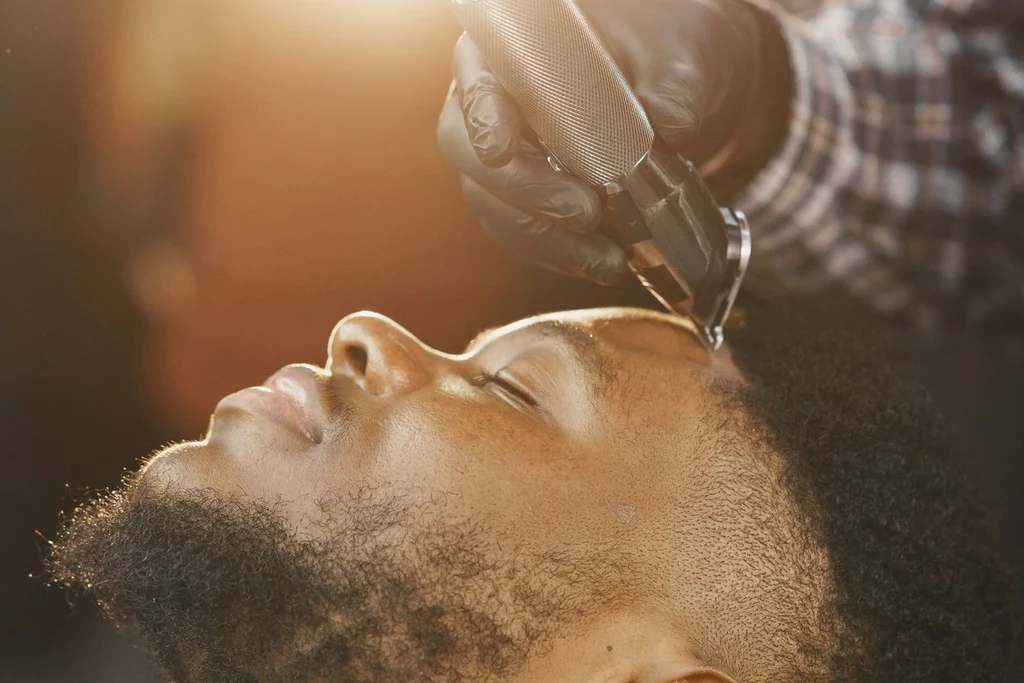
Book a lineup every one to two weeks. That is a ten-minute visit, and it refreshes the front hairline and the corners without touching the rest of the cut. Book it around day ten to fourteen, when the corners start to blur. Book the full cut every three to four weeks, when the overall length is about 5 mm longer than you like it. The blend itself is small enough that regrowth shows only at the corners, and those corners are what a lineup refreshes.
Do not edge it yourself. Home trimmers used in a mirror creep the corners further back with every pass, and a receding temple is hard to undo. Leave the line to the barber and keep your hands off it between visits.
If you wear waves, sleep in a durag or on a satin pillowcase so the pattern survives the night. The fade frames the waves, but only if the waves are still there in the morning.
The lineup uses a razor on the hairline, and that is where ingrown hairs start, especially if your hair is coarse or curly. The NHS advises shaving in the direction the hair grows, wetting the skin with warm water and using shaving gel, using as few strokes as possible, and leaving at least 1 mm of stubble rather than shaving too close. Do not pick or squeeze an ingrown hair — that damages the skin and can lead to infection. You can read their advice on ingrown hairs. The American Academy of Dermatology’s guide to how to shave covers the same ground for the skin around the hairline.
How Long Does a Temple Fade Last?
The lineup stays sharp for about ten to fourteen days. The full cut lasts three to four weeks. Day to day, the fade looks its best in the first week, when the line is crisp and the blend is fresh. After that it softens at the corners first, and that is your signal to book the lineup.
Growing it out is easy. Let the corners grow and it turns into a normal short cut with a soft edge. Let the top grow and it turns into a longer textured cut. There is no awkward stage, unless the line was pushed back too far in the first place. Then the corners take weeks to grow back, and there is nothing to do but wait.
6 Mistakes That Ruin a Temple Fade
- Asking for a fade and getting a full one. Saying “a fade” without the word temple can send the barber all the way around the head. Say the full name, then say the back stays alone.
- Pushing the line too high. A high version looks bold, but a line set too high reads aggressive and leaves no room to fix it. Start low or mid. You can always go higher next time.
- Edging it yourself at home. A trimmer in a mirror creeps the corners further back with every pass. A receding temple takes weeks to grow back, and the barber cannot put it back.
- Skipping the lineup. This cut without a fresh lineup is just a short cut with soft corners. The lineup is the cut, not an extra.
- Asking it to narrow the sides. This cut only touches a small patch. If your sides puff out as they grow, you need a fade that goes all the way around, not a bigger temple fade.
- Picking it from a photo alone. The photo shows the fade on someone else’s hairline, with someone else’s growth pattern. Match it to your hair type and your mornings first. A high fade on straight, fine hair will not look like the photo of a high fade on coily hair.
Frequently Asked Questions
What is a temple fade?
A fade focused only on the temples and sideburns, down to about the top of the ear, while the sides above the ear and the whole back stay at one even length. It is also called a temp fade or a Brooklyn fade.
Is a temple fade the same as a taper fade?
Close, but not the same. A taper usually cleans the sideburns and the neckline as well, while this one focuses on the front corners and pairs with a lineup. Many cuts combine both.
Is a temple fade the same as a mid fade?
No. A mid fade carries the blend around the whole head, up to temple height on the sides and the back. This one leaves the back alone. If you want the back faded, you are describing a mid fade.
Can straight hair get a temple fade?
Yes, on a short cut such as a crew cut or a buzz. On longer straight hair the small blend is mostly hidden, so it adds little. The shorter the top, the more it shows.
How often should I get a temple fade cleaned up?
A lineup every one to two weeks, and a full cut every three to four weeks. Book the lineup around day ten to fourteen, when the corners start to blur.
Can I get a temple fade with a beard?
Yes. The temple and sideburn area can be blended into a short or longer beard for a connected appearance. Say so when you book, because the beard shape is not automatic.
Is a temple fade good for boys?
Yes, a low or soft version. It gives a clean, modern cut that is relatively easy to manage, and the top can stay short for easy styling. A high or very sharp version is harder to keep up, so start low.
Spend your effort on the line: ask for a sharp lineup, book it every ten to fourteen days, and leave the trimmer in the drawer at home. The fade is the frame. The lineup is the cut.
Browse the rest of the Haircuts guides for the next cut to try, and start with our mid fade guide if you want to see how the same top looks when the fade runs all the way around the head. This cut also sits well with a fuller top — our blowout taper fade guide shows how height on top balances short sides.