

A short pixie makes every detail around your forehead, ears, and nape easier to see. On natural coils, it can keep a rounded crown; on relaxed or temporarily smoothed hair, it can show a close side part or sculpted wave. The choice isn’t simply short versus long. It’s where you want to keep shape.
You may have searched “pixie cut black women” for a reference picture, but start with your own texture. The catch is that a wet or stretched curl tells a different length story from the same hair when it’s dry. A good consultation begins there.
Pixie cut black women: what to check first

Look at how your hair sits after your normal wash and styling routine. If the coils draw close to the scalp, ask your stylist to judge the cut when they’re in their usual finished state. If you regularly wear a silk press, explain that too. You need a shape that works with your actual week.
Next, decide which part of your face you like to frame. A short fringe can sit above the brow, a curved side section can sweep toward the cheek, and a lifted crown leaves the forehead open. None of these depends on one required face shape. Your comfort and daily styling matter more than a chart.
Check the nape in your inspiration photos. Some short cuts have a close natural taper, while others keep a little softness along the neckline. Bring a back view if that detail matters. A beautiful front portrait can hide a surprisingly shaved or heavily stacked back.
The InStyle stylist discussion of pixies on natural hair shows why texture and shape should be considered together. Use the look you admire as a guide to the silhouette, then ask how your hair can achieve a similar balance without changing its natural pattern.
Natural pixies that show curls and coils

For tightly textured hair, the question isn’t how to make every coil behave like straight hair. It’s how much height and softness you want at the top, and how close to bring the sides. These three looks have different outlines, even though each retains the natural curl pattern.
Natural coily pixie with tapered sides
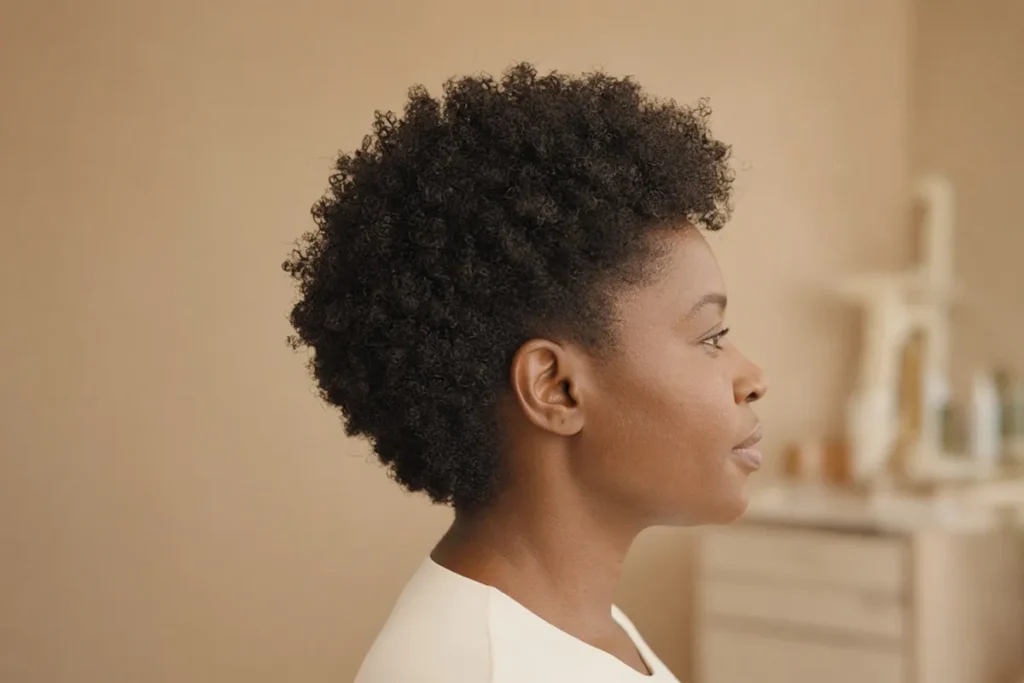
Keep the crown rounded and full, then gradually shorten the hair around the ears and nape. The taper should be visible but not so wide that the crown appears disconnected. Ask your stylist to shape it after seeing how your coils stand at their normal dry length.
You can leave the front slightly longer if you enjoy a soft coil at the forehead. If you prefer an open face, ask for the front to follow the crown’s rounded line. The difference is subtle in a photograph but noticeable every time you look in the mirror.
Finger-coiled cropped pixie
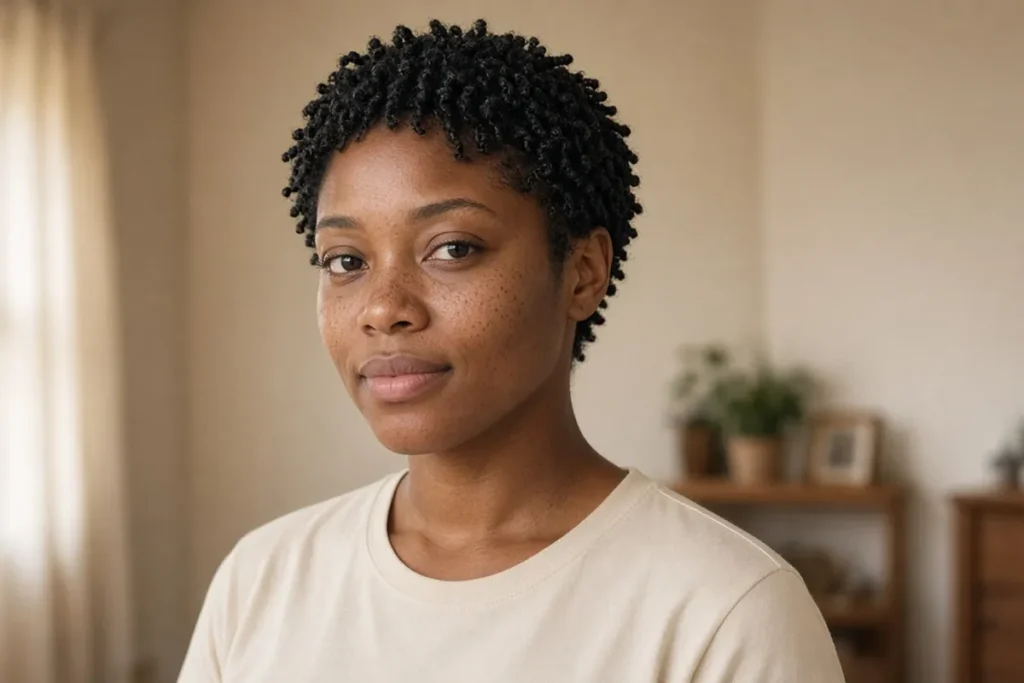
A finger-coiled finish separates small curls across a closely shaped crown. The cut itself stays short, while the styling gives individual sections definition. Keep enough length for the coils to form without forcing them into a rigid, overly tight pattern.
Ask what the style will look like after sleeping or wearing a hat. You may be happy resetting a few coils in the morning, or you may prefer a softer wash-and-go result. Make that choice before deciding how defined the salon finish should be.
Soft curly pixie with an open fringe
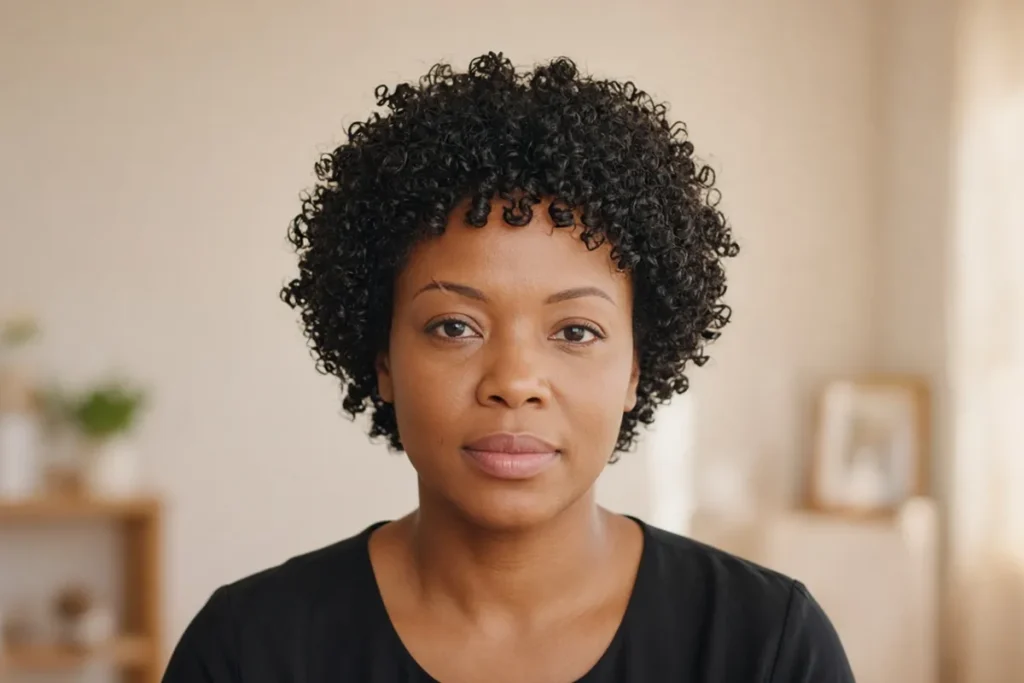
For naturally looser curls, keep the top long enough for springy loops and let a few curls curve toward the eyebrows. The sides can remain closely scissored rather than faded, preserving movement around the temples. The front should frame your face without falling into your eyes.
Show where the curl ends once it has dried, not where it reaches when stretched. If the stylist cuts the bangs at eyebrow level while wet, they may land higher than you intended. A small amount of extra dry length can be more useful than another product.
Sculpted and sleek short pixies
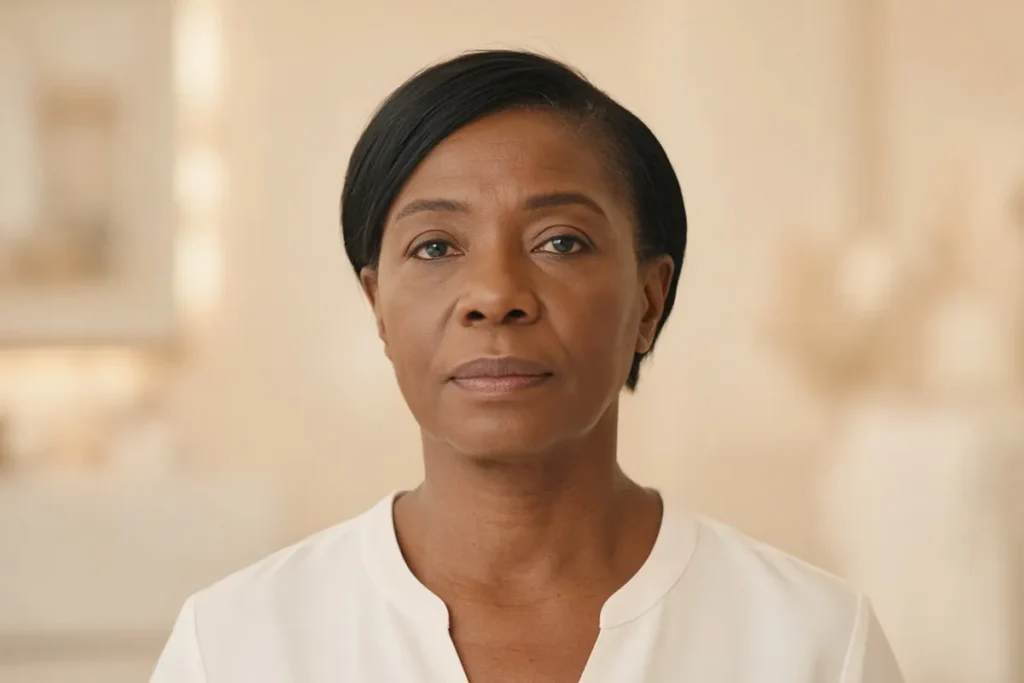
Sleek pixies are about direction and controlled lines. They’re not necessarily the easiest option for someone who normally wears natural coils and doesn’t want to smooth them. Discuss the time, heat, and any chemical history before choosing a polished reference photo.
Sleek pixie with a deep side part

Keep the back and sides cropped neatly while retaining enough top length to create a visible diagonal sweep. The part should begin where your hair naturally cooperates, not where a reference model’s part happens to be. Brush the front along the intended curve so the edges remain soft.
If you use a relaxer or a flat iron, tell the stylist which treatments are already on your hair. You may also choose a molded style that works with your current texture. The haircut should not pressure you into an additional chemical service to copy a photograph.
Short molded finger-wave pixie
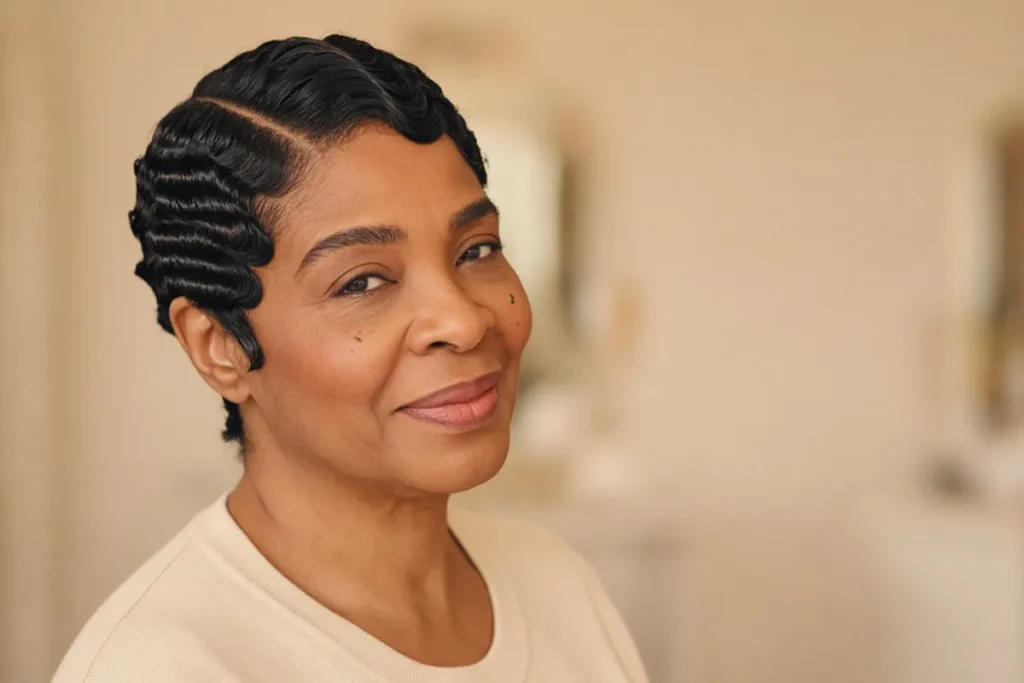
Finger waves form linked S-shaped ridges close to the head, usually with a side part or carefully planned front direction. The curve should be visible from the front and the side, not just as a glossy patch of hair in a dark photograph.
Ask the stylist to explain how the set will change after washing and how much restyling you might need. It can be a beautiful formal look, but only if you enjoy the technique it requires. You don’t need this amount of molding for every short haircut.
Asymmetrical pixie with a long side fringe

Leave one side of the front noticeably longer so it sweeps diagonally toward the cheek, while the other side remains close and tidy. The back should connect to both lengths without looking like two unrelated haircuts. A three-quarter portrait is helpful for judging the intended difference.
Discuss where the long piece should stop when dry. A fringe that covers an eye in a reference may be frustrating during work or driving. Ask for a version that still reads asymmetrical when you move it slightly out of the way.
Pixie cut black women: longer layers and visible color

Some collections labeled “pixie cut black women” mix very short tapered afros with smooth longer crops. Both can look beautiful, but identify which details belong to the haircut and which come from temporary styling.
A little extra length at the top changes how a pixie behaves. You can form separated pieces, show highlights, or let gray strands catch the light. These choices should be built on the haircut you want, not a dye color that only looks appealing in heavily edited photographs.
Choppy layered pixie with a full crown

Use short overlapping layers to break up the surface without thinning every section. Keep the crown full enough to retain shape, then tidy the nape so the longer top doesn’t look heavy. This variation works best when the layers follow your hair’s natural direction.
If you want a messy finish, ask the stylist to show what it looks like with minimal product. You should still recognize the haircut once the paste or foam is washed out. A good shape won’t depend entirely on salon lighting and fresh styling.
Honey-blonde pixie with dark roots
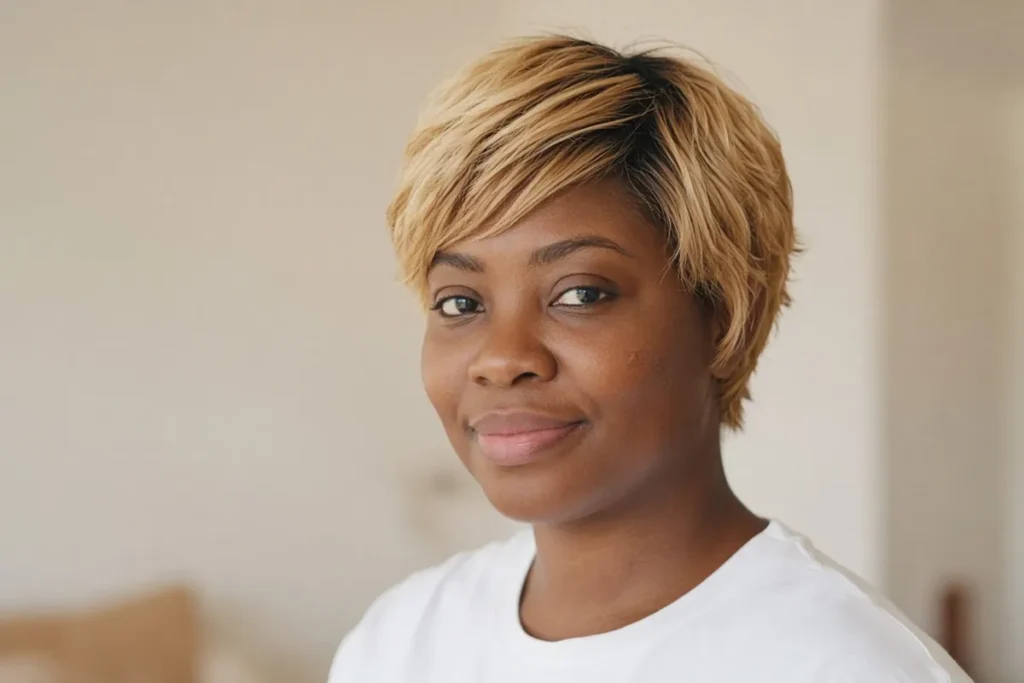
Keep a short layered top with warm honey-blonde pieces and a deeper natural-looking root. Decide whether the color should cover the full crown or appear only through a few visible sections. On very short hair, frequent trims can remove more colored length than you’d expect.
Lightening requires a separate conversation about your hair’s condition and any previous relaxer, dye, or bleach. Don’t promise yourself a pale result from a photograph without knowing whether your hair can tolerate the processing. The stylist may suggest fewer highlights or a darker finish.
Silver tapered pixie with soft edges

Keep naturally silver or gray coils visible through a gently rounded top, then taper the sides and back into a soft, close outline. The color can stay entirely natural. You don’t need a dramatic haircut or a covering dye to make silver hair feel deliberate.
Ask your stylist to leave a little weight where the gray feels finer or less dense. A close taper can still look polished without exposing every inch of scalp. Compare the haircut in daylight, where the mix of white and gray is easiest to judge.
Choosing the fringe, sides, and nape together

A pixie is a collection of connected lengths. If the fringe is longer, the sides usually need enough shape to support it. If the crown is rounded, the nape should look intentional from behind. Decide how the three sections meet rather than choosing each from a different photograph without explanation.
For a short fringe, point to the brow landmark you like. For a side-swept version, show whether you want the longest piece above the eye, at the cheekbone, or tucked beside the ear. The choice should work with your glasses, headwear, and ordinary movement.
The sides can be scissor-cut, gently tapered, or closely clipped. A soft taper keeps a natural finish, while a more pronounced contrast becomes part of the look. If you dislike sharp lineups, say so. A neat perimeter doesn’t require an aggressively carved hairline.
If you’re comparing pixie fringe choices, our guide to types of bangs can help you explain what should happen across the forehead. Your stylist still needs to adapt the line to your natural curls, growth direction, and dry length.
Natural, relaxed, and previously processed hair

Black women wear many textures, and the state of your hair right now matters more than an assumption about what texture it should have. A natural coil pixie, a temporarily pressed pixie, and a relaxed pixie may have similar front silhouettes but require different methods to achieve them.
If you’re growing out a relaxer, mention where the new natural growth meets the older processed hair. That line can behave differently when wet, stretched, or heated. Ask whether a shorter cut could work with both textures during the transition, or whether you would rather wait.
The American Academy of Dermatology’s chemical-treatment advice explains that coloring and perming or relaxing can contribute to hair damage. A pixie doesn’t require these services. Consider the haircut and styling plan first, then discuss whether any chemical work is necessary.
If your curls are tightly patterned, our 4B hair guide gives you additional language for density, shrinkage and styling. A curl-type label isn’t a rulebook. Use it to describe what your hair does, not to exclude cuts you genuinely like.
What to bring to a short-hair appointment
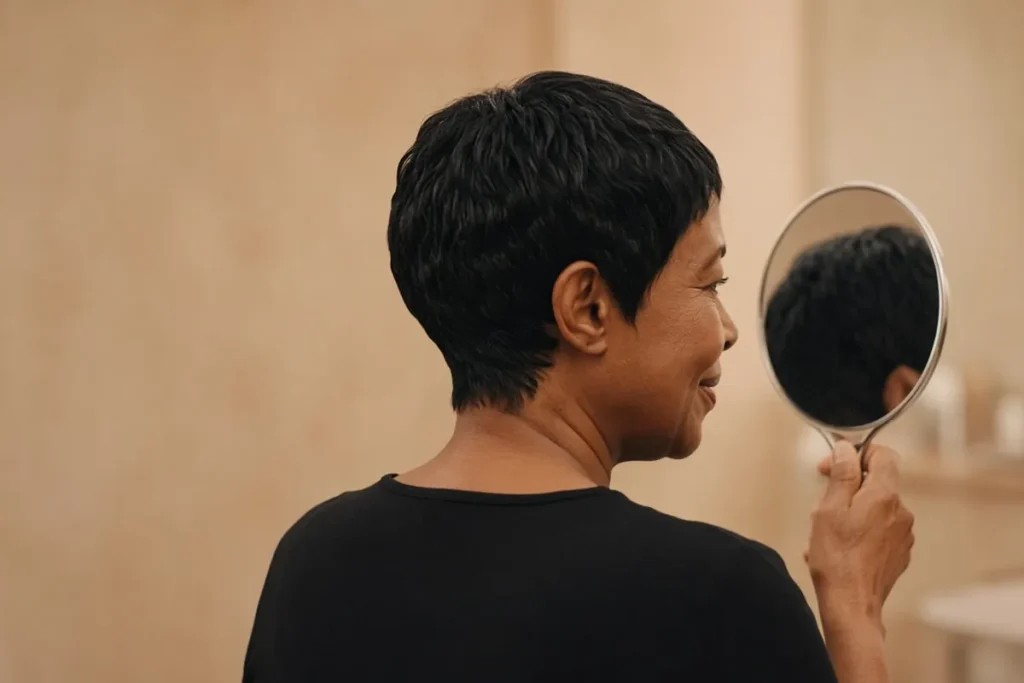
Bring one front photograph, one side view, and one back view of the same pixie if possible. Mark what you want to keep: the fringe shape, the height, or the neckline. Photos of three unrelated haircuts can help, but tell your stylist which part of each is actually the reference.
Wear your hair close to its normal state. If you usually wear coils, a silk press done only for the appointment may hide how the cut will fall after washing. If you normally wear a smooth finish, explain how you achieve it and how often you’re willing to style.
Ask the stylist to explain the cutting plan in dry landmarks. How much will remain above the ears? Will the back be tapered or left soft? Will the fringe reach your eyebrow after your natural texture settles? These details are more useful than saying you want it short but still feminine.
If you’re nervous, start with more top length than the final reference. It can be shortened during the appointment. A long piece that gives you styling flexibility may be worth keeping until you’ve lived with the cut for a few weeks.
Daily styling without unnecessary heat or tension

For natural coils, start with water or a suitable leave-in when needed and arrange the curls gently. Some pixies benefit from a light styling cream or foam, but using several heavy products doesn’t guarantee a better shape. Choose the amount that gives definition without leaving the crown stiff.
If you’re wearing a smooth pixie, ask the stylist which steps are essential. You may not need a hot tool every morning. The AAD’s healthy-hair guidance recommends gentle detangling and limiting unnecessary heat. Shorter length doesn’t make repeated high heat harmless.
Avoid tying down your edges so tightly that the hairline hurts or pulls. The AAD also identifies repeated tension from tight styles as a possible cause of hair loss. A smooth finish should feel comfortable, and you can ask for a softer hairline if elaborate edge styling isn’t part of your routine.
If the ends feel dry or snag easily, consider conditioning choices in our hair mask guide for dry hair. A mask can help manage the feel of the hair, but it isn’t a reason to ignore breakage or repeat chemical processing on fragile ends.
Maintaining the shape and growing it out

Very short sides will look different as they grow, while a longer top can often be restyled for a while. Ask your stylist what will lose its outline first. A close nape may bother you before the fringe changes, or a heavy crown may become the main issue.
There isn’t one trim interval for every pixie. Your growth rate, original length, and tolerance for a softer outline matter. A sharp tapered look may invite more frequent shape-ups than a longer layered pixie that still looks intentional with additional movement.
If you’re growing it out, plan the sides and back rather than letting every section grow without guidance. A slightly longer top can blend toward a short bob, but the nape may need small reshaping appointments so it doesn’t create an unwanted tail.
For pixie cut black women searches, the useful takeaway is choice: your natural curls, a carefully molded style, and a longer layered cut all deserve a reference that fits your routine. You don’t have to chemically straighten your hair or choose an extreme fade to wear it short.
Pixie cut black women FAQs
Can I wear a pixie without relaxing my natural hair?
Yes. A tapered coily pixie, finger-coiled crown, or soft curly crop can work with your natural texture. Ask your stylist to assess your curls dry and choose the shape around their normal shrinkage. A relaxer is a separate decision, not a requirement for a pixie.
What if I don’t want my sides shaved?
Ask for a scissor-cut side or a gentle taper that retains visible hair. Show a side photograph and point to the amount of coverage you prefer around the ear. A pixie can have a close outline without exposing bare scalp or adding a hard shaved design.
Will a pixie make my hair easier to manage?
It may reduce the amount of hair you wash and detangle, but the ease depends on the styling finish. A finger-wave set can require more work than a simple natural crop. Choose the version you can repeat during an ordinary morning, not just the one that photographs best.
Can I color a pixie blond without damaging it?
Lightening can damage hair, especially if it has already been chemically processed. Ask a professional to assess your hair and plan realistic color placement. You may choose highlights, a warmer darker blonde, or no color. A short haircut doesn’t remove the risks of bleaching.
How do I grow a pixie out without an awkward nape?
Keep the length you want to gain at the top, and ask for small adjustments around the ears and back as it grows. Show your stylist a target shape, such as a longer layered crop or short bob. That makes the in-between appointments more purposeful.