
Your roots are showing, but the pieces around your face are still light from the last appointment. Before you lighten your hair with bleach again, point to what actually needs to change. You may want new brightness at the front, or you may only want the color you already have to look less warm.
The catch is that the hair on your head can have several different service histories. Treat the roots, middle and ends as separate areas when you describe what you want.
What happens when you lighten hair with bleach
Hair lightener changes pigment in the hair so it looks lighter. L’Oréal’s hair bleach guide describes the oxidation of natural pigment and how warmth can become visible during lightening. If your hair looks lighter but warmer after a service, talk about those two changes separately.
| What you see now | What to ask about |
|---|---|
| Dark new growth above light ends | Where the new work would start and stop |
| Light pieces that look warmer than you wanted | Whether a toner could change how the color reads |
| Old dye running through the middle | How the colorist will assess that section |
| Rough ends left from the last appointment | Whether to keep those ends out of the next service |
Hold your reference next to your hair in daylight. Look at the lighter areas before deciding what to call the color. Ask the colorist to show you which part of your head they would have to lighten to get that placement.
Read your starting color from root to tip

Look at the new growth where you part your hair. Then lift a section from underneath and compare its middle and ends. Take a picture if the difference is easier to see when you hold the hair against a light shirt. Bring a photo of the way it normally falls, too.
If you plan to lighten hair with bleach, tell the colorist what’s still on the lengths. Include previous salon services and anything you used at home. Give the order they happened in as best you can. A date is useful if you know it, but the location of old color is worth showing either way.
Previously dyed hair can lift unevenly. L’Oréal’s guide discusses the way existing artificial pigment can affect the result. Show the point where you stopped applying dye the last time. The visible root can tell the colorist how your hair is growing in, while the middle carries its own history.
If a section was lightened before you colored over it, mention both services. Point to any area that feels rough, tangles easily or catches when you comb. The stylist needs a picture of the condition of the lengths as well as the visible shade.
Decide how much of your hair needs lightening

Take a reference that shows the front clearly. If what you like is the brightness by the face, point to how wide that area is and how close it sits to the root. Ask what would have to change in the back for the overall color to look the way you want.
If you prefer a softer change, hold your hair as you usually wear it and see which pieces are visible. You might like brightness on the surface and want to leave the hair underneath as it is. Ask how that choice would look when you part your hair differently or tie it back.
The American Academy of Dermatology’s coloring guidance says that going substantially lighter can require more peroxide and cause more damage. If you’re thinking about a large change, ask what your stylist considers realistic for the hair you have now.
You can also choose a reference based on the upkeep you’ll do. Look at the spot where your new growth will meet the lightest section. If you prefer how the contrast looks farther away from your part, say so while the placement is still being planned.
Bring a picture with the hair worn the way you wear yours. If you usually tuck one side under your glasses, mark the section you actually see there. The photo can show where you want the light to catch without asking your stylist to reproduce every piece in the reference.
Talk through lift and tone before booking
Lift is the change in how light the hair looks. Tone describes the color you see at that level of lightness. Explain which one you want to change. Show your stylist the patch that looks too dark, or the piece that’s already light enough but has a warmer cast than you prefer.
If the main change you want is tone, ask what a toner can do on the current starting color. Show the hair under regular daylight and bring the reference in the same kind of lighting if you can. A color that looks soft near a window may read differently under a warm lamp.
When you lighten hair with bleach, you can see warmth during the process. Ask the stylist what they would expect to see from your starting point and what they can do after that. If tone is the part you care about most, ask them to describe a realistic result in daylight.
Use our fall hair color guide to think through the contrast you want to keep. A reference is easier to discuss if you can point to the exact portion you like. Decide whether it’s the brighter surface, the depth near the roots or the way the two sit together.
Ask what a strand test can tell you
Show your stylist where you’ve had different services. Ask whether a strand test would help them judge an old band of color or a section that was already lightened. L’Oréal recommends strand testing for previously dyed hair to see how it responds. Let the colorist decide which small section represents your concern.
If the strand turns out warmer than you expected, talk about whether you still want to go ahead. Ask what the hair feels like after the test as well. You’re deciding on the look and the condition you’re willing to accept together.
A test section can also make it easier to be specific about placement. Compare it against the rest of the hair in daylight and hold it where it would sit. Point out what you would want to look different before approving anything over a larger area.
If you’re considering a boxed product, read its instructions and warnings before you make plans. Follow the product’s own directions for any tests and its usage limits. For hair with several different services through the length, take that history to a colorist before trying to lighten it further.
If the front and back have different histories, tell the stylist which has been through more. A piece from the front may answer a question about the face, while your concern about the ends might be farther back. Point to the part you most want the assessment to address.
Keep the next service focused on new growth
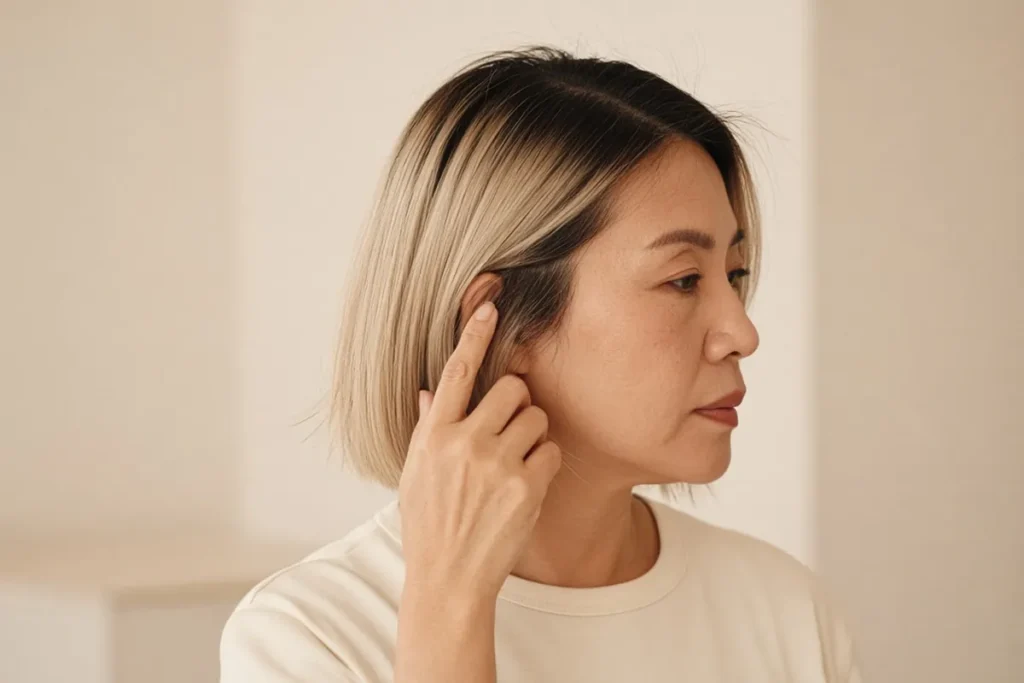
If you’ve already lightened your hair with bleach, show how far the current lightened area sits from your scalp. Ask what the stylist plans to apply to the new growth and what they plan to leave alone. You can also ask if the change you want needs lightener along the entire piece.
Schwarzkopf’s lightening guide recommends focusing routine bleach touch-ups on the roots to limit repeated processing of the tips. Ask your colorist how they would manage the boundary between the old and new sections, especially if it’s uneven.
Tell the stylist if you’ve recently used another chemical service and name it if you can. The AAD advises spacing related services to reduce damage. Give your stylist enough information to decide whether your current hair is suitable for further lightening.
Look at the back as well as the part after the service. If you notice an uneven spot, take a clear photo before trying to change it at home. Show where it is and how it looks when the hair lies flat. That gives the salon a specific area to assess.
Handle lightened lengths gently between visits
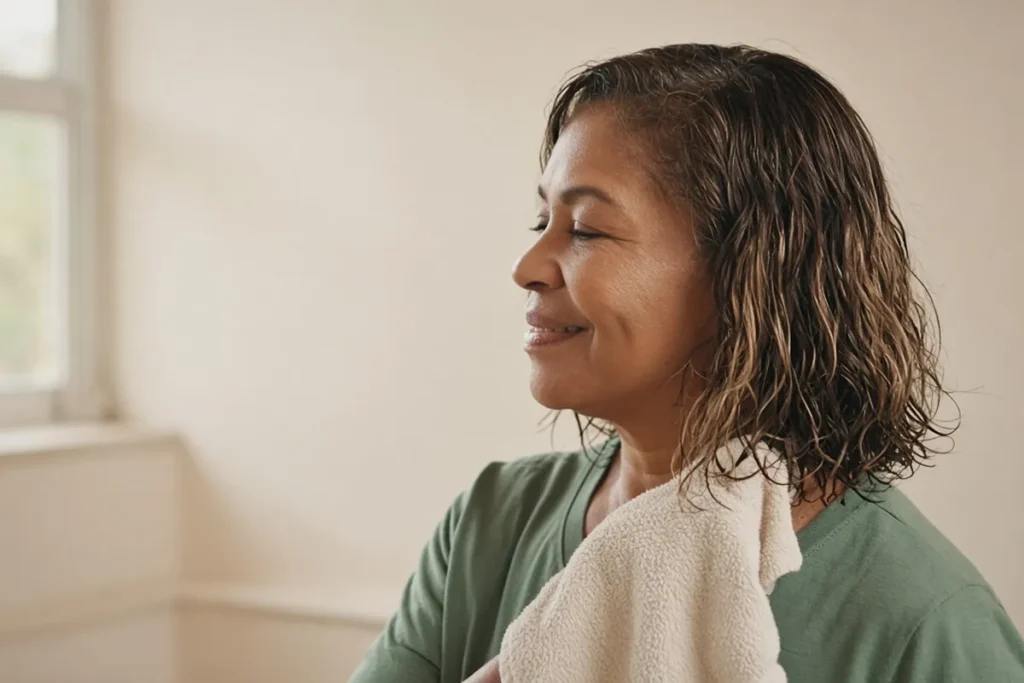
Keep an eye on the places that catch when you wash or brush. If the ends feel rough after you lighten hair with bleach, start with conditioning and gentler handling. The AAD’s guidance on preventing hair damage recommends conditioning after shampoo and limiting heat styling.
Choose care by what you notice. If your concern is a rough feel near the ends, our hair mask for dry hair guide covers how to choose an application area. Follow the product directions and check how the tips feel once the hair dries in its usual shape.
If you use hot tools every time you wash, pick a section you can handle with less heat. Save your usual effort for the part that needs it most. When hair catches, slow down at the tangle and gently release it before moving farther down.
If you wear tight curls or coils, show your stylist how the lightened pieces sit in their usual pattern. Our 4B hair guide has language for describing coils. Talk about which sections stay visible and which are tucked away in your regular routine.
Make a plan for the next appointment

Before you leave, ask what changes would mean a return visit. If your main concern is the look of the new growth, ask where you’ll see it first. If it’s tone, ask what to look for in ordinary light so you can show the salon exactly what’s changed.
Take a picture by a window once it’s dry. If you want a comparison later, use the same spot and part when you take the second photo. A single clear view of the front and one of the ends can explain what you want checked.
Write down what was done and what was left alone. If you’ve had your hair lightened in different places, a quick note about which pieces were treated can help at a future consultation. Keep the details you can verify and tell your next stylist where you’re unsure.
If a piece keeps catching or breaking after you lighten your hair with bleach, bring that area up before booking another color service. Show how it looks and where the comb stops. Ask whether your next appointment should be for an assessment or a trim.
It helps to bring the original reference again if the next visit is part of a larger change. Look at the current photo first so you can identify what you already like. Then show which remaining detail you still want to discuss.
FAQs about lightening your hair
Can a toner make dark roots as light as my ends?
Ask the stylist to compare the depth of your roots and ends before choosing a service. Toner can change how lightened hair reads. If you want the roots much lighter, your stylist needs to assess the starting color and explain what would be required to lift it.
What if my hair still has old box dye?
Tell the stylist where you applied it and how often you used it. Old artificial pigment can affect how the hair lifts. Show the last section you colored and ask whether a strand test would help before lightening a larger area.
Is there one safe wait time between services?
Planning depends on your hair and what was done to it. If you’re combining services, share your full history before booking. Ask the colorist to assess your lengths and explain what they want to see before working on them again.
Can I touch up just the roots?
Ask where the old lightening ends and the new growth starts. That boundary is the area the colorist needs to see. Show them any spot you think might need attention so they can plan where the product should go.
How do I explain what I want without knowing color terms?
Bring a picture and point to the part you want. Say where you want it to start and how much of your own color you want to keep. Then show how you normally part or tie your hair so the stylist can see which sections will be visible.