

Fall hair colors bring more depth into summer blonde, add warmth to faded brunette or turn a quiet red into a richer copper. In 2026, the most wearable shades range from soft honey and chestnut to espresso and cherry cola. You can get the seasonal effect without giving up your natural roots or booking a complete color change.
The catch is your starting color. A copper that looks soft on blonde hair may barely show on a dark brunette, and the brown you choose now matters if you want blonde again in spring. Start with the shade you have, not just the one in the photo.
The best fall hair colors for 2026 at a glance

A good fall 2026 hair color doesn’t have to match the leaves outside. Soft, blended browns and deep reds sit alongside golden blondes and cooler neutrals this season. The Wella Professionals fall color forecast is a useful reference for the shift toward softer dimension, espresso, cherry cola and honey tones.
Use the table as a shortlist, then read the shade notes below. The starting points are suggestions, not promises of a particular result.
Sally Beauty’s seasonal shade guide offers additional comparisons by starting color. Your colorist still needs to see the condition of your hair and any old pigment before deciding how to get there.
| Shade | What it looks like | Where I’d start |
|---|---|---|
| Espresso brown | Deep coffee brown | Dark brunette |
| Chocolate brown | Rich, soft brown | Medium brunette |
| Chestnut brown | Brown with red-gold warmth | Light or medium brown |
| Caramel balayage | Golden ribbons over brown | Brunette |
| Honey blonde | Soft golden blonde | Blonde or highlights |
| Creamy beige blonde | Balanced, creamy blonde | Light blonde |
| Mushroom blonde | Smoky beige and taupe | Dark blonde |
| Rooted bronde | Blonde lengths with brown depth | Grown-out highlights |
| Cinnamon copper | Earthy copper-red | Light brown or blonde |
| Auburn | Brown with visible red | Brown or red |
| Cherry cola | Deep wine-red brown | Brunette |
| Soft black | Near-black without obvious contrast | Dark brown or black |
If you like more than one of these fall hair colors, keep two pictures on your phone. Choose one for the overall depth and the other for the tone. A photo can show the brown you want without matching the amount of red you want, and that’s a useful distinction to make.
Fall hair colors for brunettes

1. Espresso brown. Think dark coffee rather than ink. If your hair is already a deep brown, ask for a glossy result with enough softness that you can still see the ends moving against the rest of the hair. You don’t need to erase every lighter strand to get a rich brunette finish.
If you’ve been using permanent dark dye, mention it before asking for lighter pieces. And if your natural regrowth is much lighter than the espresso in your reference, ask to see the shade at the root before making your decision. The difference may be more noticeable than the brown itself.
2. Chocolate brown. A softer choice for someone who likes depth but doesn’t want almost-black hair. Ask for a brown that still looks brown in daylight, rather than a color that reads red under every lamp. A few subtle lighter pieces can be enough to keep the finished look from appearing flat.
3. Chestnut brown. This is the one I’d pick if a plain brunette feels a little dull but a full copper seems too bold. Chestnut has an earthy reddish-gold character. Compare its warmer and deeper versions in our chestnut brown hair guide before choosing a reference.
4. Caramel balayage. Keep the brown underneath and ask for gold-brown accents through the ends and around the face. If your hair is naturally dark, don’t expect the caramel from a very light blonde reference without discussing lightening. You may prefer a smaller amount of warmer brown instead.
The best fall hair colors for brunettes often involve changing less hair than you first imagined. If you already like the base, spend your consultation discussing where the new color should sit. A quieter highlight near the face can change the overall impression without recoloring the back.
Fall hair colors for blondes
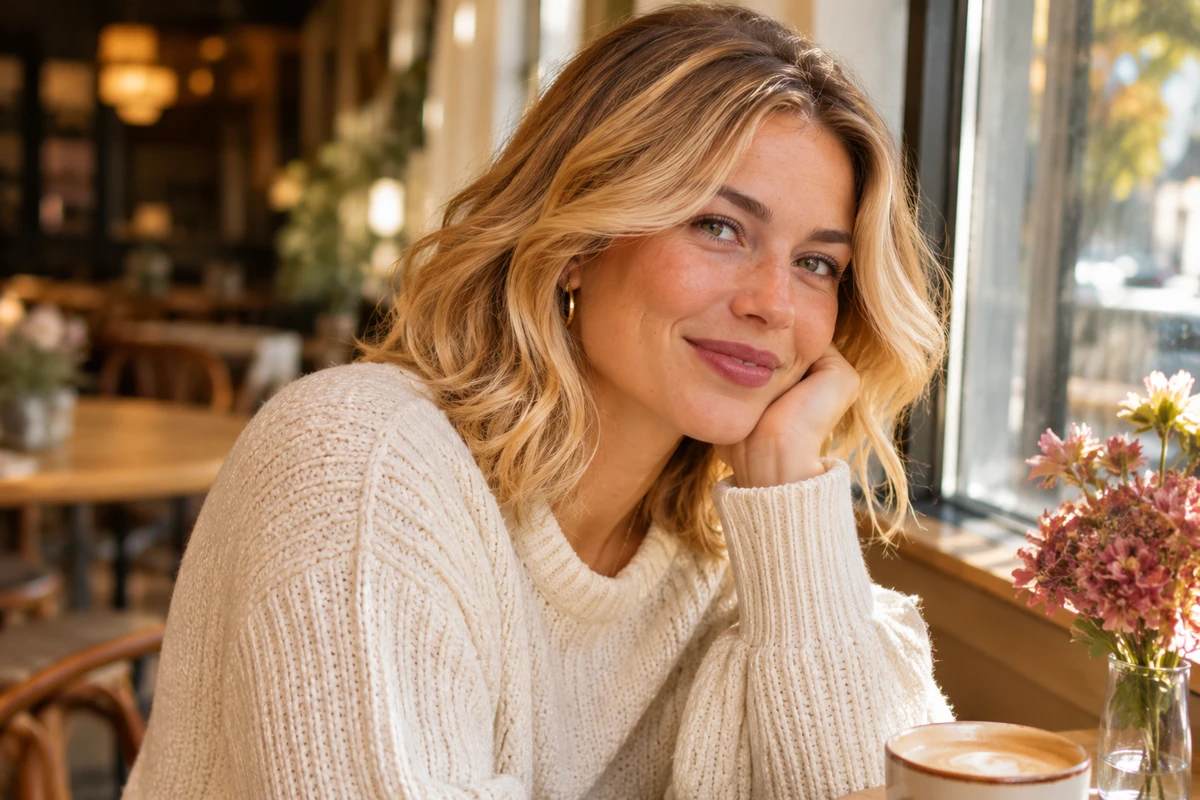
5. Honey blonde. A soft gold shade is a good choice if you still want your hair to read as blonde after summer. Ask for a warmer finish, not an orange one. Keep a picture of the blonde you like in natural light so your stylist understands how golden you want it.
6. Creamy beige blonde. If honey sounds too yellow, try a more balanced beige. This is a particularly useful reference for someone who wears both silver and gold jewelry and doesn’t feel strongly about warm or cool hair. You can ask to retain the brightness around your face.
7. Mushroom blonde. Think muted beige with a little taupe rather than bright gold. If you like cooler fall hair colors, this is a way to bring in some seasonal depth without reaching for a red or copper shade. Show your stylist the amount of ash you actually like.
8. Rooted bronde. This is the middle ground between brunette and blonde. It works visually when a deeper root connects to softer light pieces, rather than looking like a solid dark band. Ask your stylist to preserve some blonde through the lengths and soften the transition near the scalp.
Trying fall hair colors doesn’t have to mean more bleach. If the ends are already light enough, ask about adding deeper pieces or changing the tone rather than repeating your summer highlighting service. Tell the colorist if you want to be bright blonde again next year. That goal belongs in the consultation now, not at your next appointment.
Copper, auburn and cherry reds

9. Cinnamon copper. This is a grounded reddish copper, not the vivid orange you might see in a fashion color. If you want something softer, ask for a brown undertone and compare a few copper swatches. Our copper hair guide can help you decide how bright to go.
10. Auburn. Choose auburn if you want the red to be obvious but the brown to remain part of the color. A lighter auburn can look quite warm, while a deeper version has more of a classic red-brown appearance. Bring both an indoor and an outdoor photo if you’re unsure how bold to make it.
11. Cherry cola. This color sits in the dark red-brown family. Aim for a brunette base with a wine-colored reflection if you want a more discreet result. For something louder, pick a picture where the red is visible even away from direct sunlight. The cherry cola hair color guide has more shade ideas.
Of the red fall hair colors, cinnamon and auburn are the ones I’d show someone who likes earthy clothes and warm makeup. Cherry cola is my alternative for someone who prefers a deeper, more dramatic contrast. These are styling preferences, not rules about what anyone can wear.
Dark hair, short hair and natural texture
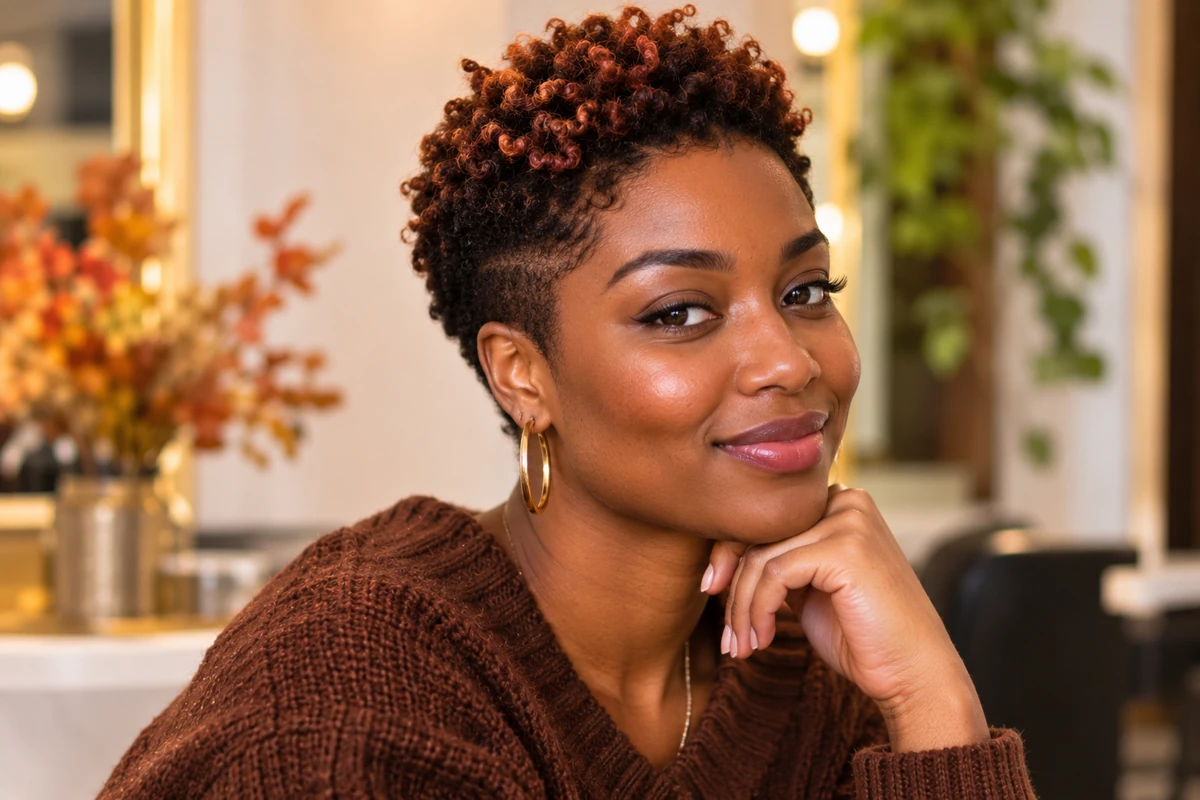
12. Soft black. This option is for someone who likes dark hair and wants a more understated finish than an intense fashion black. If you already have naturally black hair, ask first if a gloss could give you the appearance you want. You don’t need color simply to follow a seasonal trend.
For naturally dark hair, fall hair colors can be as simple as choosing a richer reflection or adding a small number of accent pieces. Discuss the need for lightening before choosing bright caramel or copper.
The American Academy of Dermatology’s coloring guidance explains why moving substantially lighter can be more damaging than staying close to your natural shade.
With curls and coils, bring a photo of your hair in its usual finished state. Ask the stylist to hold a section of hair where you’d like to see the new color. A ribbon that looks prominent on straight hair may be less visible when you’re wearing a tightly curled style.
Short hair needs a different conversation. On a bob, decide if the lighter accent should follow the face-framing pieces or the ends. On a cropped men’s cut or pixie, it might belong at the fringe or crown.
Ask what will be left after the next trim, especially if the sides are cut close. A full-head color photo on long hair won’t answer that question.
Choosing a shade that suits your skin and routine
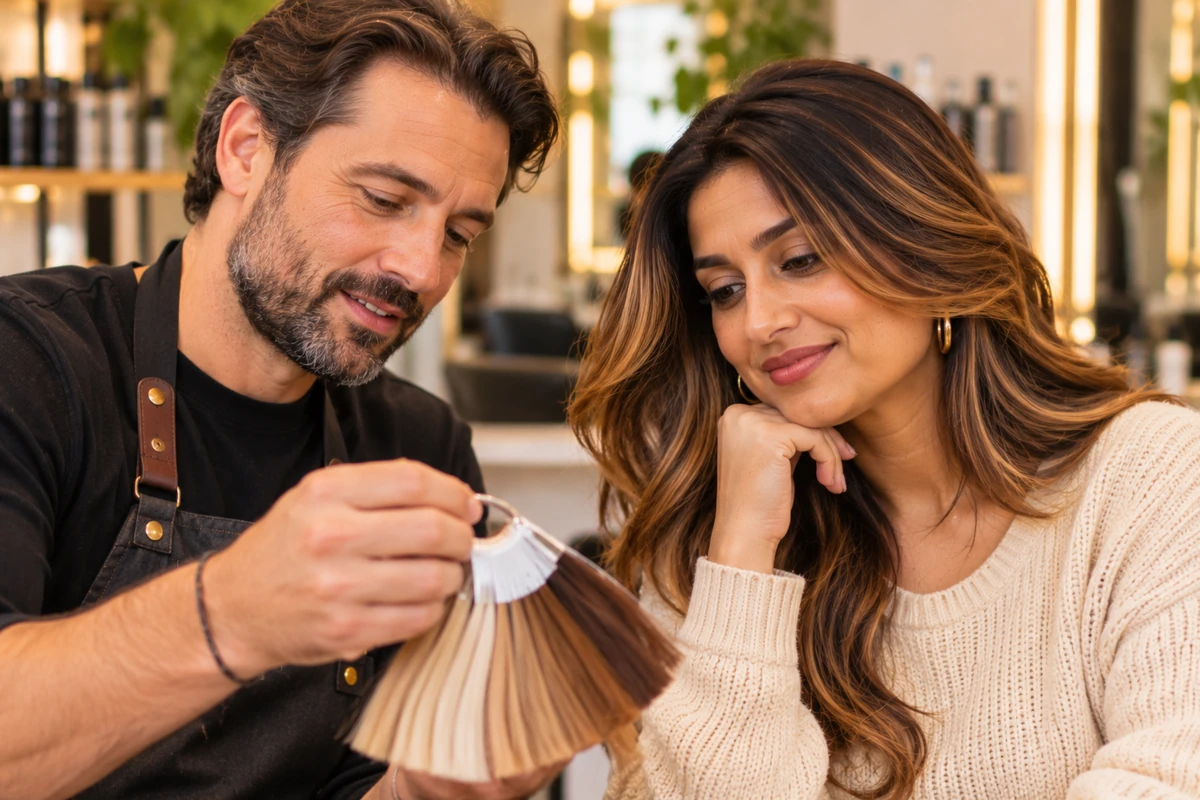
Skin tone is a starting point for choosing fall hair colors, not an instruction to avoid a particular shade. If you’re drawn to golden tones, compare honey with chestnut. If you prefer a cooler finish, look at mushroom blonde or a muted dark brown. You can also ask for a neutral version of a shade you already like.
Hold the swatches beside your face in ordinary daylight. Don’t judge them only in the salon mirror under warm lighting. Wear your usual makeup if you often wear it, and bring a photo of the clothes you reach for most. You’re choosing a color you’ll live in, not one you’ll wear for a single photograph.
Think about your routine as well. If you want to keep your gray roots visible, discuss gray blending instead of full coverage. Ask where your silver is most concentrated and whether softer highlights or lowlights would make the transition less obvious.
If you dislike a sharp root line, ask for a blended finish close to your natural depth. These are choices about contrast as your hair grows, not rules based on age.
For a less involved change, my first choice would be a shade that keeps your natural base. A bigger change may be right for you, but decide what you’re prepared to do to maintain it before you pick from the brighter fall hair colors.
What to ask for at your color appointment
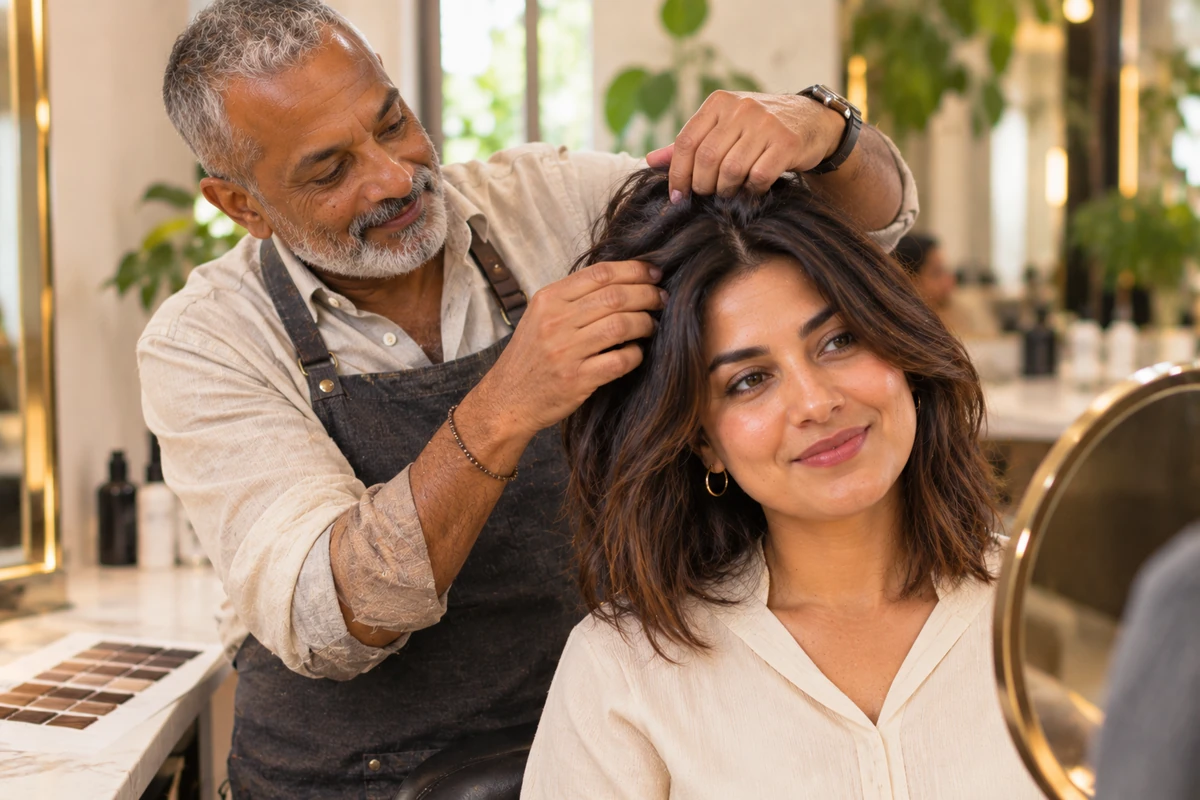
Before you compare fall hair colors at the salon, bring a photo of your hair now, if it looks different from how you’ve styled it on appointment day. Tell your colorist about previous box dye, lightener, relaxers and other chemical services, including what remains on your lengths. Don’t rely on the roots alone to tell that story.
Be clear about what you’d like to see in natural light. For chestnut, say you want brown with a restrained reddish warmth. For rooted bronde, explain how much blonde you’re hoping to keep. For copper, be specific about the difference between a soft reddish brown and a brighter, more orange finish.
Ask the salon to price the service before you book. Does the quote include lightening, toner or gloss, a blow-dry, and any recommended treatment? Ask about the price of the later refresh as well. If the first visit includes removing old dye or correcting uneven color, don’t compare it with the advertised cost of a simple root touch-up.
Instead of hunting for a universal price for fall hair colors, ask for a personalized estimate and a likely maintenance schedule. If you don’t think you’ll return for a refresh when it is suggested, mention that before the first service. Your stylist can help you choose a better fit.
How to keep your autumn color looking fresh

After choosing fall hair colors, start with the condition of the hair rather than buying every product labeled for dyed hair. Ask your stylist how to adapt the wash routine you already use. If the ends feel rough, our hair mask for dry hair guide is a useful starting point for discussing conditioning options.
Use a wide-brimmed hat when you’re outside for a long stretch, especially if the hair is dyed or lightened. The AAD notes that sun exposure can contribute to dryness, fading and brittleness. Don’t assume the cooler air in autumn means your hair no longer needs protection outdoors.
If you plan to color at home, read all the product directions first. The FDA’s hair dye safety guidance recommends an allergy patch test for each application, allowing two days before coloring.
Use gloves, follow the specified processing time and don’t combine separate dye products. A strand test to preview color is a different check, not a substitute for the allergy test.
If the color looks different after several washes, take a daylight photo and show your stylist rather than immediately buying another permanent dye. Ask if the issue is unwanted warmth, loss of depth or the way the lighter pieces sit against the remaining color. Those are different problems to solve.
FAQs about fall hair colors

What are the most popular fall hair colors in 2026?

Espresso, chestnut, honey blonde, rooted bronde, cinnamon copper and cherry cola are among the shades worth bringing to a 2026 consultation. If you prefer a less warm result, mushroom blonde and soft neutral browns are alternatives. There isn’t one shade that everyone needs to wear this season.
Do I need to go darker for fall?

No. The lighter fall hair colors are just as useful. Ask about a different blonde tone, a softer root or retaining the lighter pieces around your face. That keeps the overall impression bright. If you love your current color and only want a seasonal adjustment, tell the stylist what you want to keep before describing what you want to change.
Which fall hair colors are easiest to maintain?

I’d start with colors close to the natural hair at your roots, especially if you want less obvious regrowth. A muted brown or a softly rooted blonde may suit you better than a strong contrast from scalp to ends. Ask the salon how your particular shade is expected to change between appointments.
Can I go back to blonde after autumn?

Possibly, but plan the return with your colorist before going darker. Ask if a less permanent service would meet your autumn goal, and explain which blonde you might want next spring. Previously applied dark pigment can complicate later lightening. Your stylist needs to assess the color already on your lengths and their condition before suggesting a realistic next step.
Do fall hair colors work on gray hair?

Yes. You can keep your visible silver and ask how to blend it into the rest of your hair, or discuss full coverage if that’s your preference. Bring a photo showing how much gray you want to retain. If the colorist suggests lowlights or highlights, ask where they will sit and how your natural roots will look as they grow.